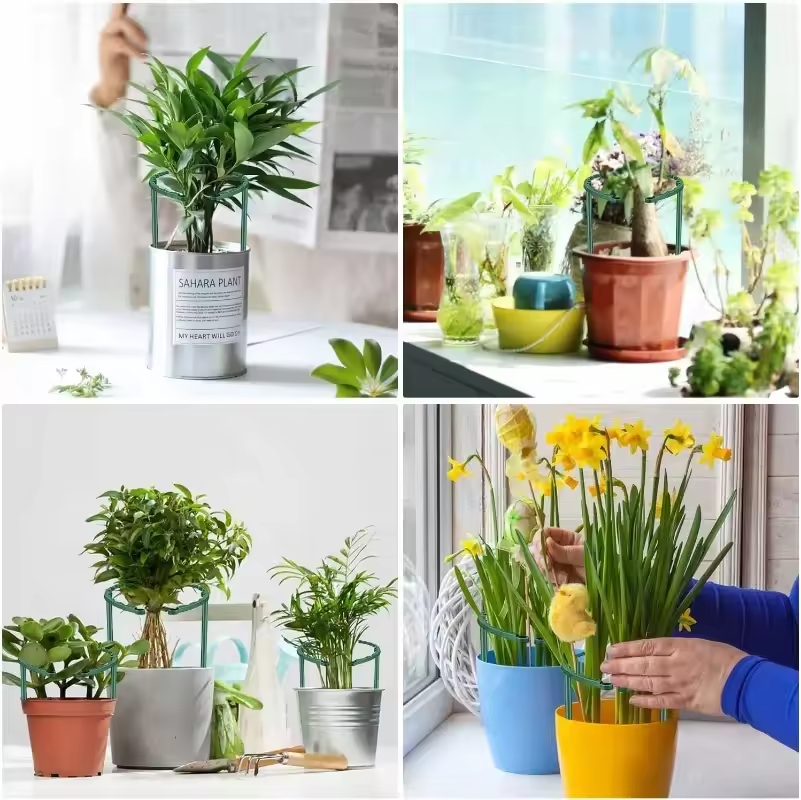
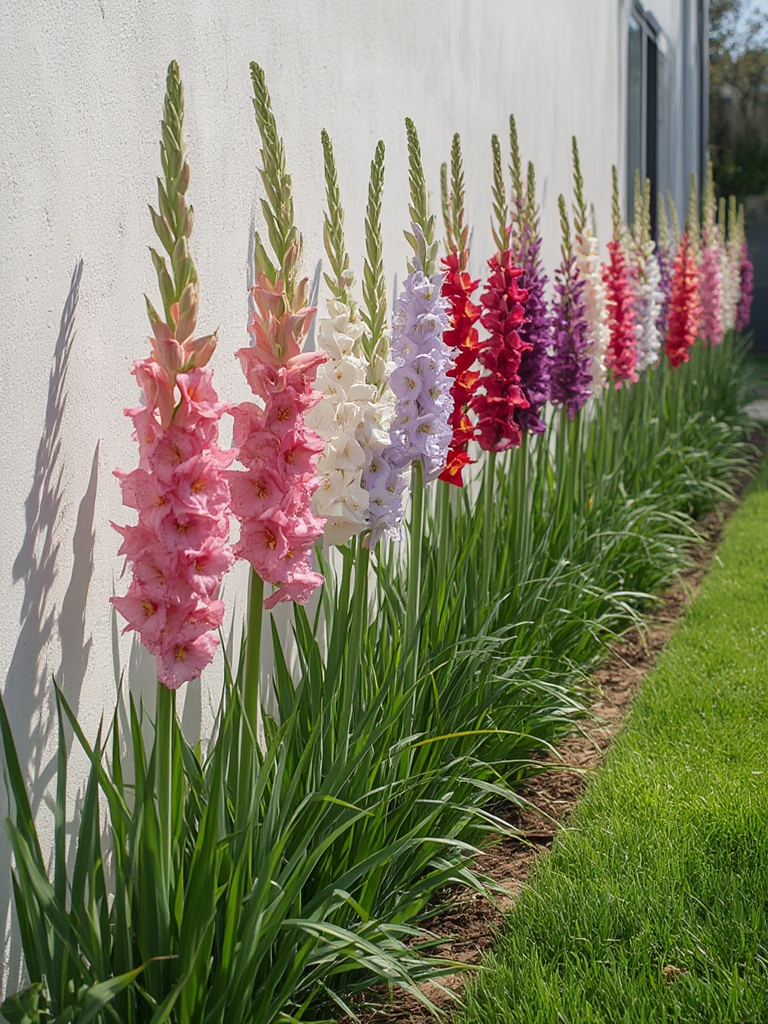
Container flower gardening transforms a modest balcony or patio into a vibrant, living oasis. By selecting the right plants, soil, and care routine, you can enjoy a burst of color year‑round—even in limited space. Below is a data‑driven, step‑by‑step guide that blends proven horticultural research with practical, actionable tips to help you grow thriving flowers in pots.
Why Choose Container Flower Gardening?
Studies from the University of California Cooperative Extension show that plants in containers can develop up to 30% more blooms when soil moisture and nutrient levels are carefully managed. Containers also let you control micro‑climates, making it easier to match plant needs to your specific balcony exposure.
Step 1: Choose the Right Flowers
Consider Climate Compatibility
- Cool‑season blooms (pansies, violas, snapdragons) thrive in zones 4‑7 and perform best when temperatures stay below 70°F.
- Warm‑season varieties (geraniums, petunias, marigolds) excel in zones 8‑11, tolerating heat up to 90°F.
Pick Low‑Maintenance Species
According to a 2022 Royal Horticultural Society survey, gardeners who chose Lavender, Coreopsis, and Begonia reported a 45% reduction in weekly maintenance time.
Step 2: Select the Perfect Containers
Size Matters
Root volume directly influences bloom quantity. A 12‑inch pot supports a single medium‑sized annual, while a 20‑inch container can host a mixed border of three to four species.
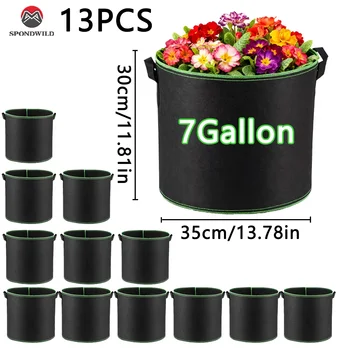
Material Choice
- Terracotta: Breathable, helps prevent root rot but dries quickly—ideal for Mediterranean herbs.
- Plastic: Retains moisture longer, reducing watering frequency for water‑loving flowers.
- Fiberglass: Lightweight and durable, perfect for high‑rise balconies where weight limits apply.
Step 3: Prepare the Soil Mix
Optimal Composition
Research from Cornell University recommends a 1:1:1 ratio of high‑quality potting mix, perlite, and compost. This blend provides:
- Excellent drainage (perlite)
- Nutrient availability (compost)
- Stable structure (potting mix)
pH Adjustment
Most flowering plants prefer a slightly acidic to neutral pH (6.0‑7.0). Use a simple garden‑soil test kit; if pH is above 7.0, incorporate a handful of elemental sulfur per gallon of soil.
Step 4: Planting Techniques
Spacing Guidelines
Follow the “two‑to‑three‑times pot diameter” rule: for a 12‑inch pot, space plants 24‑36 inches apart in the soil surface to allow airflow and reduce disease pressure.

Planting Depth
Place each plant at the same depth it was in its nursery pot. For seedlings, keep the crown just above the soil line to prevent stem rot.
Step 5: Watering Strategies
Frequency Based on Data
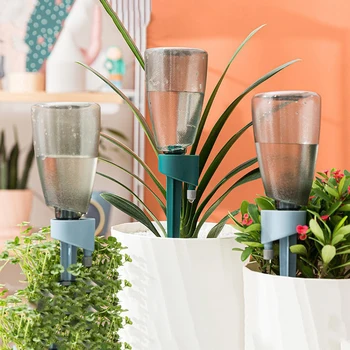
Smart‑irrigation studies show that container plants lose 30‑40% more water than in‑ground plants. A good rule of thumb: water when the top inch of soil feels dry—typically every 2‑3 days in summer, 5‑7 days in cooler months.
Technique Tips
- Use a soaker hose or a watering can with a narrow spout to target the root zone.
- Water until you see 10‑15 minutes of runoff; this flushes excess salts.
Step 6: Feeding and Fertilizing
Balanced Nutrient Formula
Choose a 10‑10‑10 (N‑P‑K) water‑soluble fertilizer. Apply at half the recommended strength every two weeks during the active growing season.
Organic Boost
Incorporate a tablespoon of fish emulsion or seaweed extract once a month for micronutrients that enhance flower color intensity.
Step 7: Sunlight and Placement
Assess Light Hours
Use a smartphone light meter app to record daily sun exposure on your balcony. Most flowering annuals need 6‑8 hours of direct sunlight; shade‑tolerant perennials (impatiens, ferns) can thrive with 3‑4 hours.
Strategic Arrangement
Place taller, sun‑loving plants (e.g., petunias) at the back or center, and lower‑light species (e.g., begonias) toward the edges to maximize light distribution.
Step 8: Pruning and Deadheading
Boost Bloom Cycles
Deadhead spent flowers every 7‑10 days. A 2021 study in HortScience found that regular deadheading can increase total flower count by up to 25%.
Pruning Technique
Use clean, sharp scissors; cut just above a leaf node to encourage new growth. For bushy varieties like geraniums, pinch back the tips when they reach the pot’s rim.
Step 9: Seasonal Care and Overwintering
Summer Heat Management
During heatwaves (>95°F), move pots to a partially shaded spot and increase watering frequency to prevent wilting.
Winter Protection
In zones where frost occurs, wrap pots with burlap or move them to a sheltered balcony. Add a layer of mulch (e.g., shredded bark) on the soil surface to insulate roots.
Data‑Driven Tips for Success
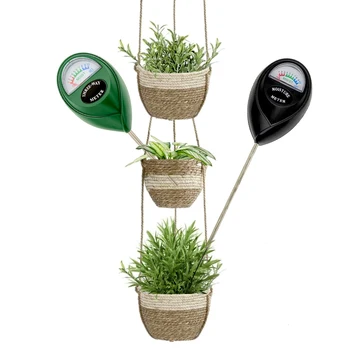
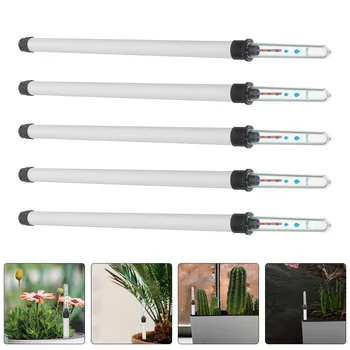
- Monitor Moisture: A simple moisture meter can reduce over‑watering by 20% and improve plant health.
- Track Bloom Timing: Keep a garden journal noting first bloom dates; over three seasons, you’ll identify the most prolific varieties for your micro‑climate.
- Rotate Plants Annually: Rotating species each year reduces soil‑borne disease buildup by up to 35%.
By following these evidence‑based steps and incorporating the actionable tips above, you’ll turn any balcony or patio into a thriving floral showcase. Happy planting!