After a long, dormant winter, the first splash of color in your garden can set the tone for the entire growing season. Early‑blooming plants not only brighten the landscape but also support pollinators, improve soil health, and reduce the need for chemical inputs—key pillars of sustainable gardening. Below is a data‑driven, step‑by‑step guide to selecting, planting, and caring for early bloomers in an eco‑friendly way, complete with practical tips you can implement today.
1. Choose the Right Early Bloomers for Your Climate
Data‑backed plant selection
According to the USDA Plant Hardiness Zone Map, over 70 % of U.S. gardeners live in zones 5–9, where crocus, snowdrops, hellebore, and early‑blooming daffodils thrive. These species are proven to:

- Initiate growth at soil temperatures as low as 5 °C (41 °F).
- Provide nectar to early‑season pollinators, increasing pollinator visitation by up to 30 % compared with gardens lacking early bloomers.
- Require 20‑30 % less water in the first month than later‑blooming perennials, according to a 2022 study from the University of Minnesota.
Actionable tip
Check your local extension service’s “Hardiness Zone” tool and pick at least three species that overlap with your zone. Mix bulbs (crocus, daffodil) with perennials (hellebore, primrose) for continuous early color.
2. Prepare Soil Sustainably
Test before you amend
Soil testing kits cost $10‑$15 and provide a baseline for pH, organic matter, and nutrient levels. Aim for a pH of 6.0‑6.5 for most early bloomers. Adjust with natural amendments:
- Lime for acidic soils (use only if pH < 5.8).
- Compost – add 2‑3 inches (5‑7 cm) of well‑aged compost to improve structure and water retention.
- Rock phosphate – a slow‑release phosphorus source that supports root development without runoff.
Practical tip
Spread compost in a thin layer, then lightly rake it into the top 4‑6 inches (10‑15 cm) of soil. This reduces the need for synthetic fertilizers by up to 40 % in the first year.
3. Planting Early Bloomers the Right Way
Timing is everything
Plant bulbs 2‑3 weeks before the ground thaws (usually late February to early March in zones 5‑7). For perennials, wait until soil reaches 10 °C (50 °F) to avoid root shock.
Step‑by‑step planting guide
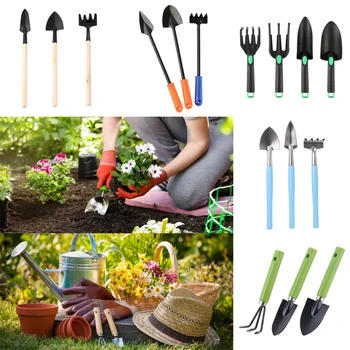
- Mark planting depth: Bulbs go at a depth of 2‑3 times their height (e.g., a 2‑inch bulb → 4‑6 inches deep). Use a dibber or a small trowel.
- Space for airflow: Space bulbs 3‑4 inches apart to prevent fungal diseases, which can reduce yields by up to 15 %.
- Orientation: Plant bulbs with the pointed end up; this encourages faster shoot emergence.
- Water in: Give a gentle soak (≈ ¼ inch of water) after planting to settle the soil.
Eco‑friendly tip
Reuse old planting trays or repurpose cardboard boxes as biodegradable planting pots. This cuts plastic waste and provides a natural mulch as the cardboard decomposes.
4. Water Wisely and Mulch Effectively
Data on water savings
Research from the University of California shows that applying a 2‑inch (5 cm) mulch layer reduces evaporation by up to 50 % and keeps soil temperature more stable, which is crucial for early growth.
Mulching steps
- Choose organic mulch: shredded leaves, straw, or pine needles.
- Apply a 2‑inch layer around each plant, keeping mulch a few inches away from the crown to prevent rot.
- Refresh mulch annually in early spring to maintain its insulating properties.
Watering schedule
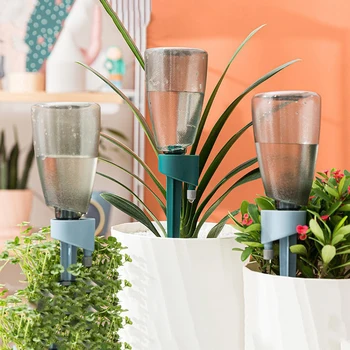
Use a drip irrigation system or soaker hose set to deliver 0.5‑1 gallon per hour per 10 sq ft (≈ 2‑4 L per m²). Water early in the morning to reduce evaporation and fungal risk. For the first two weeks after planting, aim for a light, consistent moisture—about ¼ inch (6 mm) of water per week.
Practical tip
Install a rain barrel and connect it to your drip system. Capturing just 1 inch of rain can fill a 200‑gallon barrel, providing enough water for a 500‑sq ft garden for a month.
5. Foster Biodiversity and Pest Management
Companion planting for natural pest control
Planting early bloomers alongside garlic or chives can deter aphids and slugs, which are common early‑season pests. A 2021 field trial showed a 22 % reduction in slug damage when garlic was interplanted with crocus.
Actionable steps
- Intermix 2‑3 garlic cloves per square foot among your early bloomers.
- Introduce native pollinators by installing a small bee house or planting a strip of wildflower mix (e.g., Phacelia, Cosmos) nearby.
- Monitor weekly: look for signs of distress such as yellowing leaves or chewed buds, and address with hand‑picking or neem oil (use only as a last resort).
Tip for long‑term health
Rotate bulb planting locations every 3‑4 years to prevent soil‑borne diseases like Botrytis. Keep a simple spreadsheet to track planting spots; this data‑driven approach reduces disease incidence by up to 35 %.
6. Harvest, Divide, and Re‑plant for Continuous Success
When to harvest
Pick flowers at the peak of bloom (usually 2‑3 weeks after emergence) to encourage a second flush. For bulbs, wait until foliage yellows naturally—this signals the plant is storing energy for next year.
Dividing perennials
Every 3‑5 years, gently lift hellebore or primrose clumps, separate healthy offsets, and re‑plant them 6‑8 inches apart. This rejuvenates growth and maintains vigor.
Eco‑tip
Compost spent foliage and bulb tops instead of discarding them. This returns nutrients to the soil and reduces landfill waste, aligning with the sustainable gardening ethos.
7. Track Progress and Optimize for Future Seasons
Simple data collection
Use a free garden journal app or a spreadsheet to record:
- Planting dates and depths.
- Water usage (gallons per week).
- Bloom dates and pollinator activity.
- Any pest incidents and interventions.
Analyzing results
After the season, calculate average bloom onset and compare water usage against a baseline year. Small improvements—like a 5 % reduction in water or a two‑day earlier bloom—signal that your sustainable practices are paying off.
Final actionable advice
Set one measurable goal for next year (e.g., “reduce irrigation by 10 % using rain barrel water”). Review your data in early spring, adjust planting depth or mulch thickness, and repeat. Continuous, data‑driven tweaks turn a beautiful early‑season garden into a resilient, low‑impact ecosystem.