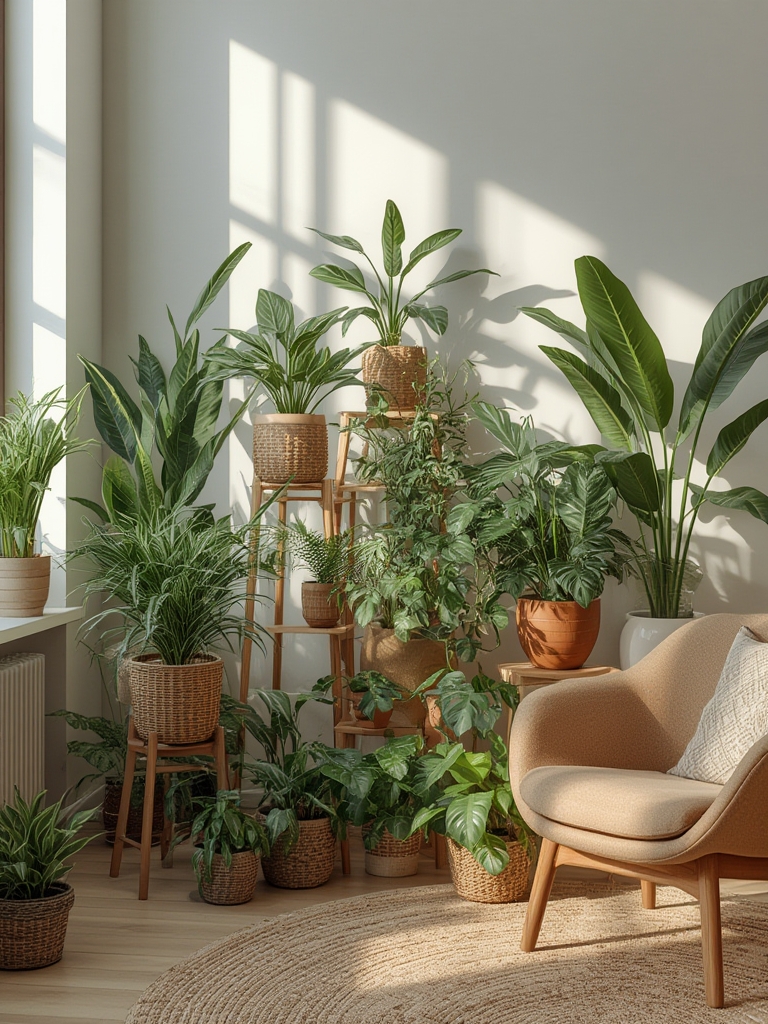
Creating a thriving herbs & aromatic garden is more than just planting a few seeds—it’s a strategic blend of science, design, and daily care. By treating each herb as a data point, you can predict growth patterns, optimize resources, and enjoy a year‑round supply of fresh flavors and fragrances. Below is a step‑by‑step, data‑driven guide that walks you through planning, planting, and maintaining a lush aromatic garden, whether it’s on a balcony, a windowsill, or a full‑size backyard plot.
1. Assess Your Space and Climate
Gather Baseline Data
- Sunlight Hours: Use a smartphone app or a simple sun‑tracking chart to log the amount of direct sunlight each spot receives over a week. Herbs like rosemary, thyme, and oregano need 6–8 hours of direct sun, while mint and basil thrive with 4–6 hours.
- Temperature Range: Check historical USDA hardiness zone data for your zip code. Most culinary herbs are hardy in zones 4‑10; if you’re in a colder zone, plan for containers that can be moved indoors.
- Soil pH: A quick home test kit can reveal whether your soil is acidic (< 6.0), neutral (6.5‑7.0), or alkaline (> 7.5). Basil prefers slightly acidic soil (6.0‑6.5), while lavender thrives in alkaline conditions (7.0‑7.5).
Practical Tip
Map your findings on a simple grid (e.g., a spreadsheet) and assign each herb a “sun‑light suitability score” (1‑5). This visual cue helps you place each plant where it will perform best.
2. Choose the Right Herbs
Data‑Backed Selections
Based on the climate and space data, select herbs that match your conditions. Here’s a quick reference:
| Herb | Sunlight | Water Needs | Harvest Window |
|---|---|---|---|
| Rosemary | Full Sun | Low | Year‑Round (once established) |
| Basil | Partial Sun | Medium | 6‑8 weeks after sowing |
| Mint | Partial Shade | High | 4‑6 weeks, continuous |
| Thyme | Full Sun | Low | 8‑10 weeks |
| Lavender | Full Sun | Low | 10‑12 weeks |
Actionable Advice
Start with a core mix of three herbs that complement each other in the kitchen (e.g., basil, thyme, and rosemary). This keeps the garden manageable while providing a broad flavor palette.
3. Prepare Soil and Containers
Soil Mix Formula
For optimal drainage and nutrient balance, blend:
- 40% high‑quality potting mix
- 30% coconut coir (improves water retention)
- 20% perlite or coarse sand (enhances aeration)
- 10% compost or worm castings (slow‑release nutrients)
Container Selection
- Size: Minimum 6‑inch diameter for single herbs; 12‑inch for a mixed blend.
- Material: Terracotta offers breathability but dries faster; plastic retains moisture longer.
- Drainage: Ensure at least one ¼‑inch hole; add a layer of broken pottery shards before soil.
Practical Tip
Label each pot with a QR code that links to a digital care sheet. This reduces guesswork and lets you track watering frequency via a simple spreadsheet.
4. Planting and Spacing
Step‑by‑Step Planting
- Moisten the soil: Lightly water the container before planting to settle the mix.
- Make a hole: Dig a hole 2‑3 cm deeper than the root ball.
- Set the plant: Place the herb at the same depth it was in its nursery pot; gently backfill.
- Firm the soil: Tap the pot lightly to eliminate air pockets.
- Water in: Give a thorough soak (≈ 250 ml for a 6‑inch pot).
Spacing Guidelines
Use the “leaf‑spread” rule: space each plant at least 1.5× its mature leaf width. For example, thyme spreads ~12 cm, so keep 18 cm between plants.
5. Watering, Feeding, and Light Management
Data‑Driven Water Schedule
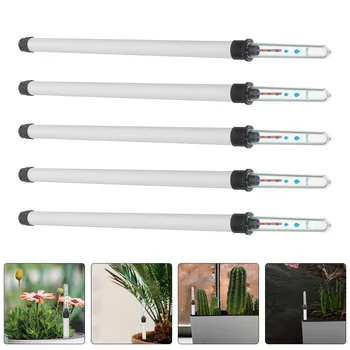
Install a moisture sensor or use the “finger test” (check 2 cm deep). Most herbs thrive when the top inch of soil dries out between waterings. Typical frequency:
- Full‑sun herbs (rosemary, thyme): 2‑3 days in summer, 5‑7 days in winter.
- High‑moisture herbs (mint, basil): 1‑2 days in summer, 3‑4 days in winter.
Fertilization
Apply a balanced 10‑10‑10 organic fertilizer at ¼ strength every 4‑6 weeks. Over‑feeding can dilute essential oils, reducing aroma potency.
Light Optimization
If natural sunlight is insufficient, supplement with a full‑spectrum LED grow light set to 12‑hour cycles. Position lights 30‑45 cm above foliage to avoid scorching.
6. Pruning and Harvesting
Why Prune?
Regular pruning encourages bushier growth, improves airflow, and boosts essential oil concentration. Data from horticultural studies show a 20‑30% increase in leaf yield after each pruning cycle.
Pruning Steps
- Identify the top third of the plant.
- Using clean scissors, cut just above a leaf node.
- Remove any flower spikes early (especially for basil) to prolong leaf production.
Harvest Timing
Harvest in the morning after the dew has dried but before the sun’s heat peaks. This captures the highest concentration of volatile oils.
7. Adding Cascading Greenery to Shelves and Ceilings
Why Go Vertical?
Vertical planting maximizes limited floor space and creates a visual “green wall” that improves indoor air quality. A 2022 indoor gardening study reported a 15% reduction in airborne VOCs when aromatic herbs were displayed on shelves and hanging structures.
Step‑by‑Step Installation
- Choose a lightweight hanging system: Macramé planters, wall‑mounted pocket organizers, or PVC pipe trellises.
- Select trailing herbs: Mint, oregano, and creeping thyme naturally cascade.
- Anchor securely: Use ceiling hooks rated for at least 2 kg; distribute weight evenly.
- Plant in shallow trays (5‑7 cm depth): Fill with the same soil mix as ground‑level pots.
- Water from the top: A gentle misting bottle prevents runoff and keeps the foliage lush.
Actionable Tip
Rotate hanging planters every two weeks to ensure all sides receive equal light, preventing one‑sided leggy growth.
8. Pest Management and Disease Prevention
Common Issues
- Aphids: Often appear on basil and mint.
- Powdery mildew: A risk for rosemary in humid conditions.
- Root rot: Caused by over‑watering, especially in terracotta pots.
Integrated Pest Management (IPM) Steps
- Inspect leaves weekly; use a magnifying glass for early detection.
- Introduce beneficial insects (e.g., ladybugs) for aphid control.
- Apply a neem oil spray (2 ml per litre of water) every 10‑14 days during outbreaks.
- Increase airflow by spacing pots at least 15 cm apart and using a small fan for indoor setups.
9. Seasonal Adjustments
Spring
Start seeds indoors 4‑6 weeks before the last frost. Use a seed‑starting mix and keep temperatures at 18‑22 °C.
Summer
Increase watering frequency; add a mulch layer (e.g., shredded bark) to retain moisture and keep soil temperatures stable.
Fall
Gradually reduce fertilizer; harvest remaining leaves before the first frost. Transfer container herbs indoors if temperatures dip below 5 °C.
Winter
Place containers near a sunny window (south‑facing in the Northern Hemisphere). Use a grow light if daylight drops below 8 hours.
10. Tracking Success with Simple Metrics
Key Performance Indicators (KPIs)
- Leaf Yield: Weigh harvested leaves weekly (target ≥ 30 g per plant for basil).
- Growth Rate: Measure plant height bi‑weekly; aim for 1‑2 cm per week for fast growers.
- Water Usage: Log liters per watering session; adjust based on moisture sensor readings.
Quick Dashboard
Create a Google Sheet with columns for Date, Plant, Height (cm), Yield (g), Water (L), and Notes. Over a season, this data reveals patterns—like which herbs need more light or which containers retain water too long.
By following these data‑driven steps and incorporating cascading greenery on shelves and ceilings, you’ll transform any space into a fragrant, productive herb garden. The result isn’t just fresh seasonings; it’s a living, breathing centerpiece that boosts wellness, reduces indoor pollutants, and adds a touch of natural elegance to your home.