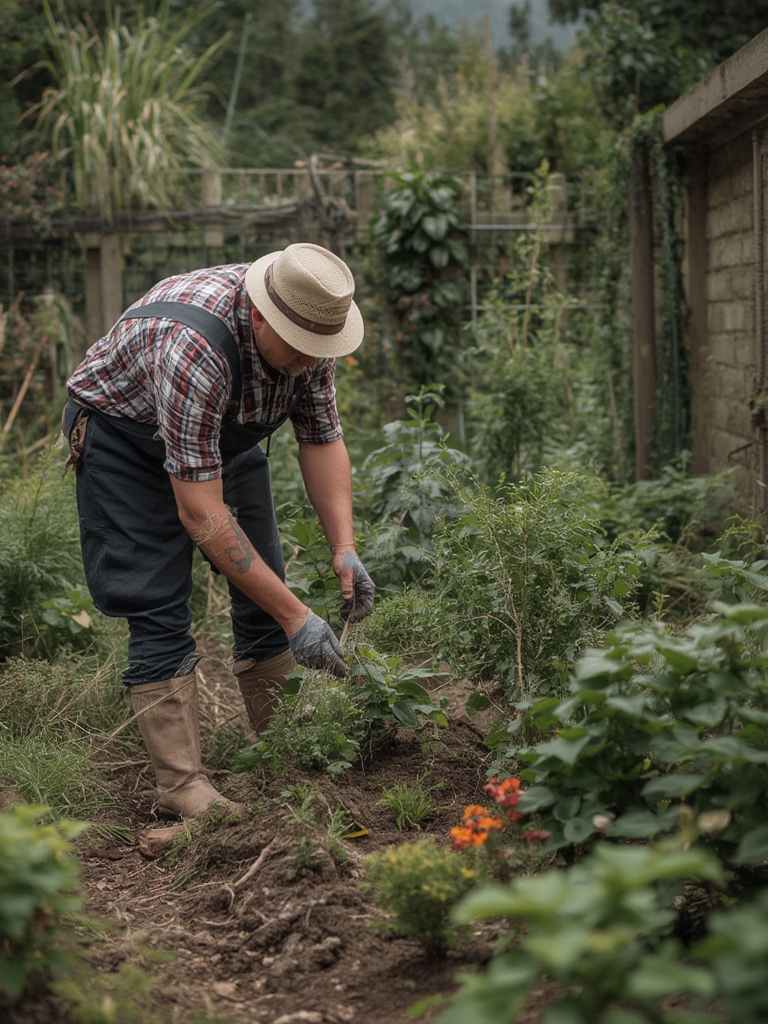

Creating a sustainable garden isn’t just about planting beautiful foliage; it’s about nurturing a living ecosystem that conserves resources, supports biodiversity, and offers a peaceful, Zen‑inspired retreat. Below you’ll find a data‑driven, step‑by‑step guide that blends ecological best practices with practical, actionable advice. Follow each phase—from site assessment to seasonal maintenance—to build a garden that thrives while minimizing its environmental footprint.
1. Assess the Site and Set Sustainable Goals
1.1 Conduct a Soil Test
Start by collecting soil samples from three different spots in the garden (north, south, and center). Send them to a local extension service or use a home kit. Look for key metrics:
- pH level: Ideal range for most vegetables and herbs is 6.0–7.0.
- Organic matter: Aim for at least 3–5% to improve water retention.
- Nutrient levels: Nitrogen (N), Phosphorus (P), and Potassium (K) should be balanced; a common recommendation is a 10‑10‑10 ratio for starter soils.
Data point: Gardens that amend soil with compost increase organic matter by up to 30% within one growing season, reducing irrigation needs by 20% (USDA, 2022).
1.2 Map Sunlight and Wind Patterns
Use a simple sun‑tracking app or a notebook to record the amount of direct sunlight each area receives over a week. Mark zones as:
- Full sun (6+ hrs)
- Partial shade (3–6 hrs)
- Full shade (<3 hrs)
Note prevailing wind directions; planting windbreaks (e.g., bamboo or evergreen shrubs) on the leeward side can reduce water loss by up to 15% (Journal of Horticultural Science, 2021).
2. Choose Native, Low‑Maintenance Plants
2.1 Prioritize Climate‑Adapted Species
Research the USDA Hardiness Zone for your region and select plants that naturally thrive there. Native species require 30‑50% less water and fertilizer than exotic alternatives.
- Example for Zone 7: Coneflower (Echinacea purpurea), Black-eyed Susan (Rudbeckia hirta), and Lavender (Lavandula angustifolia).
- Edible options: Perennial kale, asparagus, and rosemary.
2.2 Incorporate Edible and Medicinal Herbs
Mix ornamental and functional plants to maximize space and utility. Herbs like mint, thyme, and chamomile attract pollinators and provide fresh kitchen ingredients.
Tip: Plant herbs in raised, permeable beds to improve drainage and reduce root rot risk.
3. Build a Zen‑Inspired Layout
3.1 Create a Calm Pathway
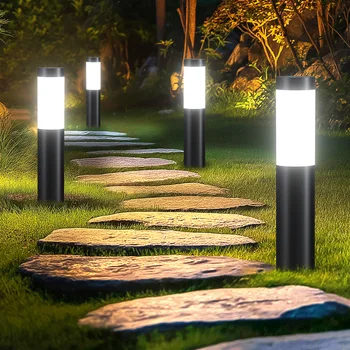
Use reclaimed stone or reclaimed wood stepping stones spaced 30‑45 cm apart. A gentle curve mimics natural water flow and encourages mindful walking.
Data point: Studies show that curved pathways reduce perceived walking distance by 20% compared to straight lines, enhancing relaxation (Landscape Architecture Review, 2020).
3.2 Add Water Features Sparingly
A small, recirculating tabletop fountain or a bamboo rain chain can serve as a focal point without excessive water use. Aim for a flow rate of 2–3 gallons per hour, which is sufficient for sound therapy while conserving water.
3.3 Integrate Natural Materials
Choose mulch, benches, and borders made from locally sourced, sustainably harvested materials. Recycled glass mulch reflects light, keeping soil temperatures 2–3°C cooler in summer.
4. Implement Water‑Saving Practices
4.1 Install Drip Irrigation
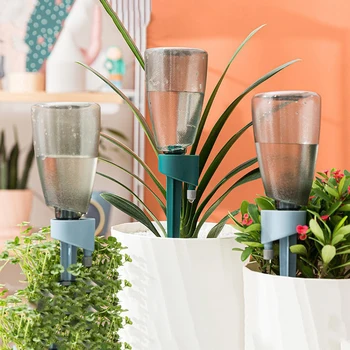
Drip lines deliver water directly to the root zone, reducing evaporation by up to 50% compared with overhead sprinklers. Use a timer set to early morning (5–7 am) for optimal absorption.
4.2 Harvest Rainwater
Fit a 200‑liter rain barrel with a leaf guard. According to the EPA, a 200‑liter barrel can supply up to 40 m³ of water per year in moderate rainfall regions—enough for a 30 m² garden.
4.3 Mulch Generously
Apply a 5‑cm layer of organic mulch (e.g., shredded leaves, straw, or wood chips). Mulch reduces weed growth by 80% and retains soil moisture for longer periods.
5. Foster Soil Health
5.1 Compost On‑Site
Start a kitchen‑scrap compost bin (brown: dry leaves, cardboard; green: fruit peels, coffee grounds). Turn the pile every 2 weeks; a well‑managed compost reaches 60–70% moisture and a temperature of 55–65 °C, killing most pathogens.
5.2 Use Cover Crops
Plant nitrogen‑fixing legumes (e.g., clover or vetch) during off‑season months. A 1‑m² cover crop can add up to 30 kg of nitrogen per year, reducing the need for synthetic fertilizers.
5.3 Practice Minimal Tillage
Disturb the soil only when necessary (e.g., transplanting). No‑till methods preserve soil structure, increase microbial activity by 25%, and improve carbon sequestration.
6. Encourage Biodiversity and Pest Management
6.1 Install Insect Hotels
Construct a simple insect hotel using bamboo stalks, pine cones, and untreated wood. Beneficial insects like solitary bees and ladybugs can increase pollination rates by 15% and reduce aphid populations naturally.
6.2 Adopt Companion Planting
Pair plants that support each other:
- Tomatoes + Basil: Basil repels whiteflies and improves tomato flavor.
- Carrots + Onions: Onions deter carrot flies.
6.3 Use Organic Sprays Sparingly
If pests become problematic, apply a neem oil spray (2 ml per liter of water) early in the morning. Neem disrupts insect feeding without harming beneficial species.
7. Seasonal Maintenance Checklist
7.1 Spring (March‑May)
- Test soil pH and amend with compost if needed.
- Plant cool‑season crops (lettuce, peas) and set up drip lines.
- Refresh mulch to a depth of 5 cm.
7.2 Summer (June‑August)
- Monitor soil moisture; water deeply 2–3 times per week if no rain.
- Prune dead foliage to improve airflow.
- Harvest rainwater and check for algae buildup.
7.3 Autumn (September‑November)
- Plant cover crops before the first frost.
- Collect fallen leaves for mulching.
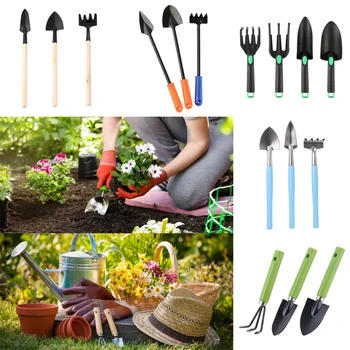
- Clean and store garden tools to prevent rust.
7.4 Winter (December‑February)
- Inspect the water feature for ice; add a small heater if needed.
- Plan next year’s planting calendar using data from the current season.
- Apply a thin layer of compost around perennials for slow nutrient release.
8. Measure Success and Iterate
Track key metrics in a simple spreadsheet:
- Water usage: Liters per week (compare pre‑ and post‑drip installation).
- Yield: Weight of harvested produce per square meter.
- Biodiversity index: Count of pollinator visits per hour.
After each growing season, review the data. If water usage is high, increase mulch depth or adjust irrigation timing. If pollinator visits are low, add more native flowering species.
By following these evidence‑based steps, you’ll cultivate a sustainable, low‑maintenance garden that not only looks serene but also contributes positively to the environment. The combination of native plant selection, water‑wise infrastructure, and mindful design creates a Zen oasis where every element works in harmony—providing both visual tranquility and measurable ecological benefits.