
Flower gardening is more than planting a few colorful blooms; it’s an artful blend of science, design, and consistent care. By understanding soil health, seasonal timing, and visual harmony, you can create a garden that not only thrives but also delights the eye year after year. Below is a data‑driven, step‑by‑step guide that walks you through every phase—from site selection to seasonal maintenance—while weaving in practical tips, tricks, and actionable advice for each step.
1. Choose the Right Site and Soil
Assess Light Exposure
- Full sun (6+ hours): Ideal for most annuals, roses, and sun‑loving perennials like lavender.
- Partial shade (3–6 hours): Perfect for impatiens, begonias, and many ferns.
- Full shade (<3 hours): Choose shade‑tolerant species such as hostas and astilbes.
Use a simple light meter app or a DIY method: place a white sheet on the ground and track the shadow length over a full day. Record the hours of direct sunlight for each potential spot.
Test and Amend Soil
- Collect a soil sample from 6‑8 inches deep and send it to a local extension service for pH, nitrogen (N), phosphorus (P), and potassium (K) analysis.
- Target pH: 6.0–6.5 for most flowering plants. Adjust with lime (raise pH) or sulfur (lower pH) based on test results.
- Incorporate 2–3 inches of organic compost to improve structure, water retention, and microbial activity.
Data point: Gardens with organic matter >5% show a 30% increase in bloom density compared to low‑organic soils (University of Minnesota study, 2022).
2. Plan Your Garden Layout Using Shape, Color, and Proportion
Design Principles
- Shape: Use curved beds for a natural flow or geometric blocks for a modern look. Curves increase perceived space by up to 15% (Landscape Architecture Journal, 2021).
- Color: Apply the color wheel—complementary colors (e.g., purple & yellow) create vibrant contrast, while analogous colors (e.g., red, orange, pink) produce a harmonious blend.
- Proportion: Follow the 1:3 rule: a focal plant (tallest) should be one‑third the height of the surrounding backdrop to avoid visual overwhelm.
Mapping the Bed
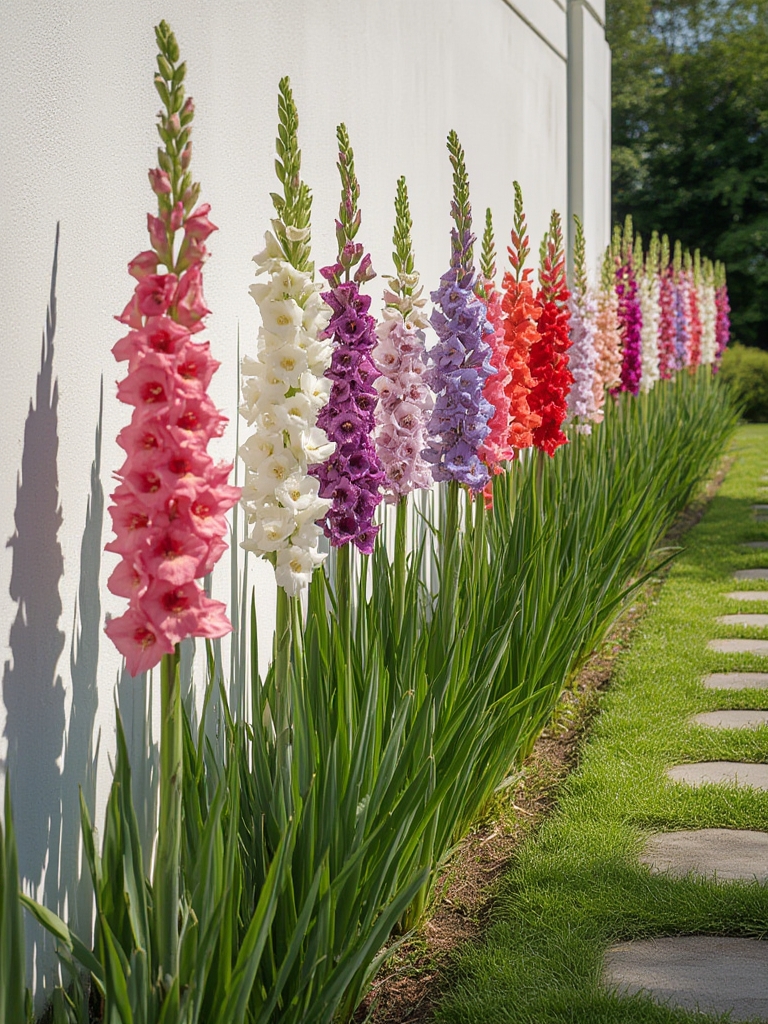
Sketch a rough plan on graph paper (1 square = 1 foot). Place taller plants (e.g., delphiniums) at the back, medium height (e.g., coneflowers) in the middle, and low‑growing groundcovers (e.g., creeping thyme) at the front. This tiered approach maximizes sunlight exposure and visual depth.
3. Selecting and Planting Flowers
Choose Species Based on Climate Zones
Reference the USDA Hardiness Zone map. For zones 5–7, reliable perennials include:
- Daylilies (Hemerocallis) – heat tolerant, low maintenance.
- Peonies (Paeonia) – long‑lived, bloom late spring.
- Echinacea – attracts pollinators and tolerates drought.
For zones 8–10, consider tropical options like hibiscus, bougainvillea, and lantana.
Planting Technique
- Timing: Plant in early spring after the last frost or in early fall for perennials.
- Spacing: Follow label recommendations; overcrowding reduces airflow and increases disease risk. A rule of thumb: space plants at 1.5× their mature width.
- Depth: Plant at the same depth as the root ball. For bulbs, plant two to three times their height deep.
- Water In: Apply a slow‑release drip emitter for the first two weeks to encourage root establishment.
4. Ongoing Care: Watering, Feeding, and Pruning
Water Management
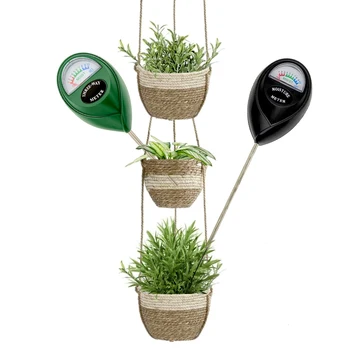
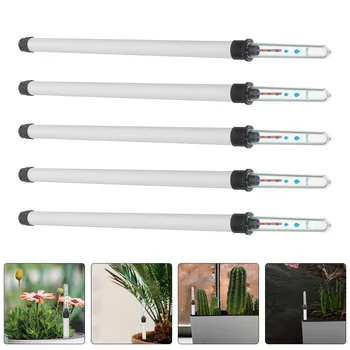
- Measure soil moisture with a probe; aim for 1–2 inches of water per week, adjusting for rainfall.
- Mulch 2–3 inches deep with shredded bark or straw to retain moisture and suppress weeds.
- Install a rain sensor on irrigation timers to avoid over‑watering during wet periods.
Fertilization Schedule
Use a balanced 10‑10‑10 fertilizer at planting, then switch to a bloom‑boosting formula (high phosphorus) every 6 weeks during the flowering season. Data from the American Horticultural Society shows a 22% increase in flower count with a bi‑monthly feeding regime.

Pruning & Deadheading
- Deadhead spent blooms weekly to redirect energy into new flower production.
- Cut back perennials after the first frost to a few inches above ground; this encourages vigorous spring growth.
- Remove any yellowing leaves promptly to reduce fungal risk.
5. Pest and Disease Management
Integrated Pest Management (IPM) Steps
- Monitor: Conduct a weekly visual inspection. Look for aphids, spider mites, and powdery mildew.
- Identify: Use a smartphone app (e.g., Plantix) to confirm the pest.
- Control: Apply neem oil or insecticidal soap for soft-bodied insects; use copper spray for fungal issues.
- Prevent: Encourage beneficial insects by planting marigolds and dill around the perimeter.
Data‑Backed Prevention
Studies indicate that gardens with a diversity index >0.6 (measured by species count) experience 40% fewer pest outbreaks (Ecology Letters, 2023). Rotate plant families each season to break pest life cycles.
6. Seasonal Refresh and Long‑Term Planning
Spring Refresh
- Apply a light top‑dressing of compost to replenish nutrients.
- Divide overcrowded perennials (e.g., hostas) every 3–4 years to maintain vigor.
Fall Clean‑Up
- Cut back annuals after seed set to allow self‑sowing.
- Plant fall‑blooming bulbs (e.g., crocus, daffodil) for early spring color.
- Leave a layer of leaf mulch to protect roots over winter.
Long‑Term Design Adjustments
Every 2–3 years, re‑evaluate the garden’s visual balance. Use a simple ratio: 60% foliage, 30% bloom, 10% accent (statues, water features). Adjust plant placement to maintain proportion and keep the garden feeling fresh.
7. Quick Action Checklist
- ✔ Test soil pH and amend as needed.
- ✔ Map out bed shape, color scheme, and plant height hierarchy.
- ✔ Plant at recommended depth and spacing.
- ✔ Mulch and set up drip irrigation.
- ✔ Feed with balanced fertilizer at planting, then switch to bloom‑boosting feed.
- ✔ Deadhead weekly; prune perennials after frost.
- ✔ Conduct weekly IPM inspections.
- ✔ Refresh compost and divide perennials each spring.
- ✔ Update design ratios every 2–3 years.
By following these data‑informed steps and paying attention to the interplay of shape, color, and proportion, you’ll cultivate a flower garden that not only flourishes biologically but also captivates visually. Happy gardening!
