Flower gardening is a rewarding hobby that blends creativity, science, and a love for nature. Whether you’re a seasoned green thumb or just starting out, this data‑driven guide will walk you through every stage—from soil preparation to seasonal maintenance—while keeping costs low and results high. Follow the actionable steps below, and you’ll see vibrant blooms thriving in your garden in no time.
1. Choose the Right Flowers for Your Climate and Soil
Successful flower gardening starts with smart plant selection. Use local climate data (average frost dates, rainfall, and temperature ranges) to match species to your zone. Below is a quick reference for common zones:
- Zone 3‑5: Pansies, Sweet Peas, and Lupines thrive in cooler temperatures.
- Zone 6‑8: Marigolds, Zinnias, and Coreopsis perform best with moderate summers.
- Zone 9‑11: Hibiscus, Bougainvillea, and Lantana love heat and humidity.
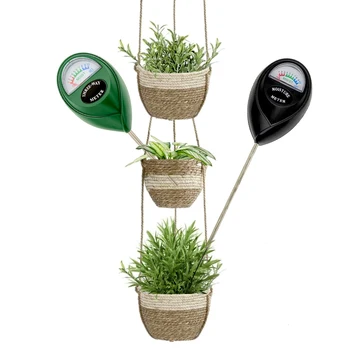
Check your soil’s pH with a simple kit (often under $10). Most flowering plants prefer a pH between 6.0 and 7.0. If adjustments are needed, add lime to raise pH or sulfur to lower it—apply according to the package instructions for the most cost‑effective results.
Actionable Tip
Create a quick “soil snapshot” spreadsheet: column A for pH, column B for organic matter (%), and column C for drainage rating. This data will guide your amendment choices and prevent costly trial‑and‑error.
2. Prepare the Soil Without Breaking the Bank
Healthy soil is the foundation of any thriving flower bed. Follow these budget‑friendly steps:
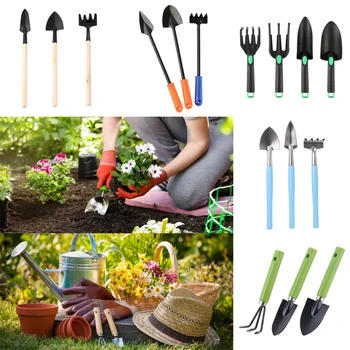
- Clear the area: Remove weeds, rocks, and debris. Hand‑pulling is free; for larger areas, use a garden fork to loosen the top 6‑8 inches.
- Incorporate organic matter: Compost from kitchen scraps or yard waste adds nutrients and improves structure. If you lack compost, purchase a bulk bag of well‑aged manure (often cheaper per pound than bagged compost).
- Improve drainage: Add a thin layer (1‑2 inches) of coarse sand or perlite to heavy clay soils. This prevents waterlogging and encourages deeper root growth.
- Mulch early: Spread 2‑3 inches of shredded leaves or straw. Mulch retains moisture, suppresses weeds, and slowly releases nutrients.
Actionable Tip
Use a simple “soil test calculator” (available for free online) to determine exact amendment amounts based on your garden’s square footage. This prevents over‑spending on unnecessary inputs.
3. Planting: Timing, Spacing, and Depth
Correct planting techniques reduce stress on seedlings and boost bloom potential.
- Timing: Plant cool‑season flowers (e.g., Pansies, Snapdragons) 4‑6 weeks before the last frost. Warm‑season varieties (e.g., Marigolds, Petunias) should go in after soil temperatures consistently reach 65°F.
- Spacing: Follow seed packet or plant label recommendations. Overcrowding leads to competition for light and nutrients, resulting in smaller flowers.
- Depth: Dig a hole twice as wide as the root ball but no deeper than the plant’s original container depth. Gently tease roots if they’re densely packed.
Actionable Tip
Mark planting spots with reusable garden markers (e.g., painted rocks). This visual aid helps maintain proper spacing and makes future maintenance easier.
4. Watering Strategies for Optimal Growth
Water is the most critical factor after planting. Over‑watering can drown roots, while under‑watering stresses plants.
- Early morning watering: Apply water between 5 am‑9 am to reduce evaporation and allow foliage to dry, minimizing fungal disease risk.
- Deep, infrequent watering: Aim for 1‑1.5 inches of water per week, delivered in 2‑3 deep soakings rather than daily light sprinklings.
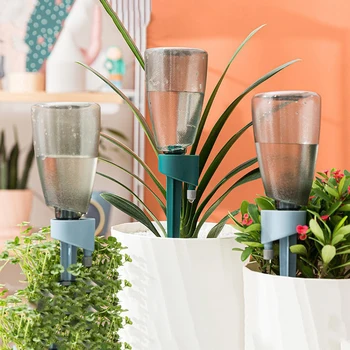
- Use a soaker hose or drip irrigation: These systems deliver water directly to the root zone, saving up to 30% water compared to overhead sprinklers.
Actionable Tip
Place a rain gauge or a simple ruler in the garden to track weekly rainfall. Subtract natural precipitation from your watering schedule to avoid over‑watering.
5. Feeding and Fertilizing on a Budget
Flowers need a steady supply of nutrients, especially during the blooming phase.
- Organic options: Use a balanced 10‑10‑10 compost tea made from kitchen scraps and garden waste. Apply every 3‑4 weeks.
- Slow‑release fertilizers: A small bag of granular fertilizer (e.g., 5‑10‑5) can last an entire season when applied at planting and again mid‑season.
- DIY seaweed spray: Mix 1 tablespoon of liquid seaweed with 1 gallon of water. Spray every two weeks for a natural micronutrient boost.
Actionable Tip
Track fertilization dates in a garden journal. Correlate bloom density with feeding intervals to fine‑tune the schedule for future seasons.
6. Pest and Disease Management Without Chemicals
Integrated Pest Management (IPM) focuses on prevention, monitoring, and low‑impact controls.
- Physical barriers: Use row covers or fine mesh to keep insects away during vulnerable growth stages.
- Beneficial insects: Plant nectar‑rich herbs (e.g., dill, fennel) to attract ladybugs and lacewings, which naturally control aphids.
- Homemade sprays: A 1‑part neem oil to 9‑part water mixture works against many soft‑bodied pests. Apply early morning or late afternoon to avoid leaf burn.
- Sanitation: Remove spent blooms and fallen leaves weekly to reduce fungal spore buildup.
Actionable Tip
Set up a weekly “pest patrol” routine: spend 10 minutes inspecting leaves for signs of damage. Early detection saves time and money.
7. Seasonal Maintenance and Pruning
Keeping flowers tidy and healthy ensures repeat blooming.
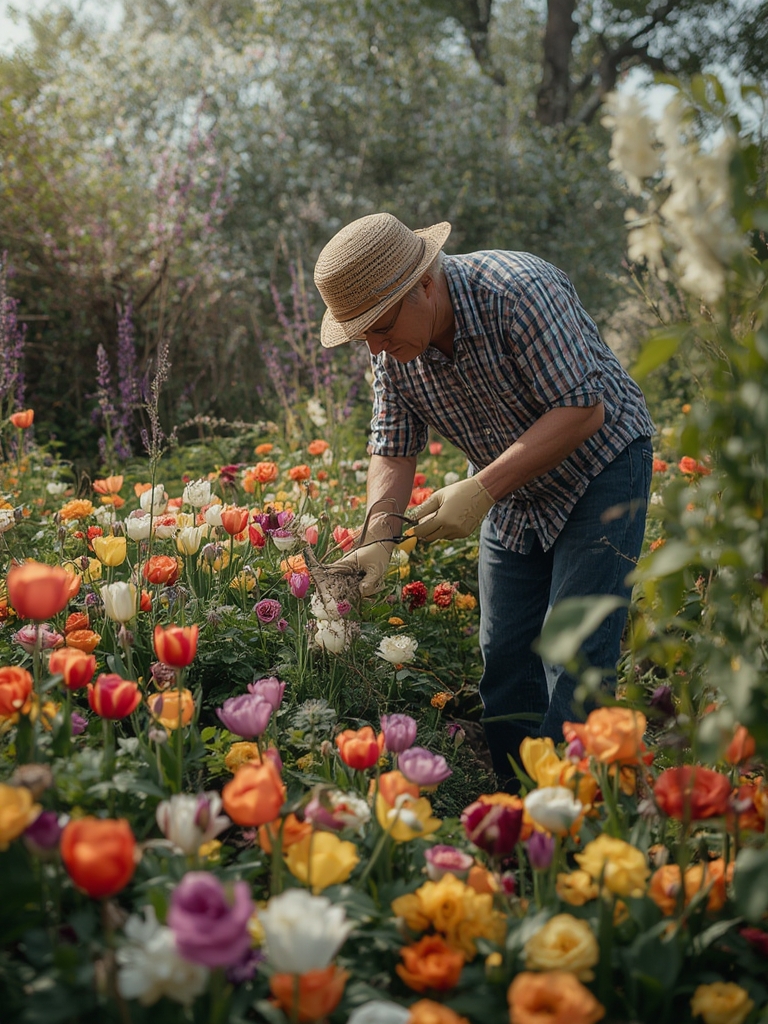
- Deadheading: Snip spent flowers back to the first set of healthy leaves. This redirects energy into new buds.
- Pinching: For bushy varieties like Zinnias, pinch the top 1‑2 inches when plants reach 6 inches tall to encourage lateral branching.
- Fall cleanup: Cut back perennials to ground level after the first frost, mulch, and add a layer of compost for spring vigor.
Actionable Tip
Use a pair of clean, sharp pruning shears (often available at discount stores). Clean them with rubbing alcohol between cuts to prevent disease spread.
8. Budget‑Friendly Garden Upgrades
Enhance the visual appeal of your flower garden without splurging.
- DIY raised beds: Repurpose old pallets or reclaimed wood. Fill with a mix of native soil and compost for a nutrient‑rich planting zone.
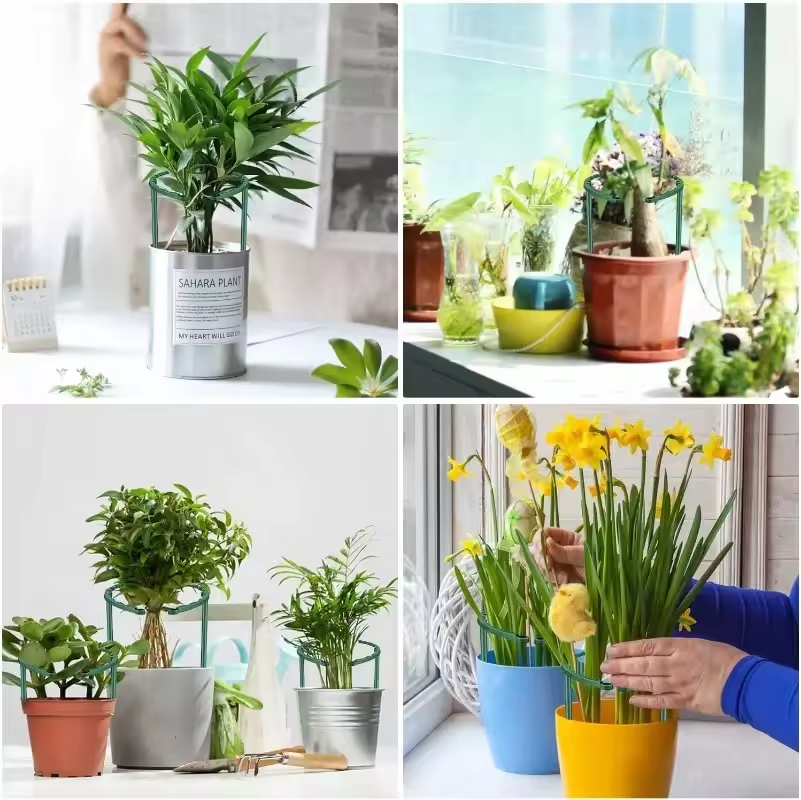
- Recycled containers: Turn tin cans, mason jars, or old tires into colorful planters. Drill drainage holes and line with burlap.
- Natural edging: Use stones, broken terracotta pots, or even a line of low‑growth herbs (thyme, sage) to define beds.
- Pathways: Lay down crushed gravel or reclaimed brick pavers. They’re inexpensive and improve garden accessibility.
Actionable Tip
Before purchasing any upgrade, search local “Freecycle” or “Craigslist” groups. Many gardeners give away perfectly good materials that can be repurposed for under $5.
9. Tracking Success with Simple Data
Data doesn’t have to be complex to be useful. A basic spreadsheet can reveal patterns that improve future yields.
| Date Planted | Species | Bloom Start | Peak Bloom | Notes (pests, weather) |
|---|---|---|---|---|
| 03/15/2025 | Marigold | 06/01/2025 | 06/15‑08/30 | Light aphids, controlled with neem oil |
| 04/01/2025 | Lavender | 07/10/2025 | 07/20‑09/15 | Excellent sun, minimal watering |
Review the table each season to identify which varieties performed best under your local conditions and which practices yielded the highest bloom density.
10. Final Checklist for a Flourishing Flower Garden
- ✔ Verify soil pH and amend as needed.
- ✔ Add organic matter and mulch before planting.
- ✔ Follow recommended planting dates, spacing, and depth.
- ✔ Water deeply in the early morning, using a rain gauge to adjust.
- ✔ Feed with compost tea or slow‑release fertilizer on schedule.
- ✔ Implement IPM: barriers, beneficial insects, and homemade sprays.
- ✔ Deadhead and prune regularly to encourage rebloom.
- ✔ Upgrade garden aesthetics with recycled materials.
- ✔ Log data to refine your approach each year.
By combining data‑driven decisions with affordable, hands‑on techniques, you’ll create a vibrant flower garden that not only looks stunning but also thrives season after season. Happy planting!