
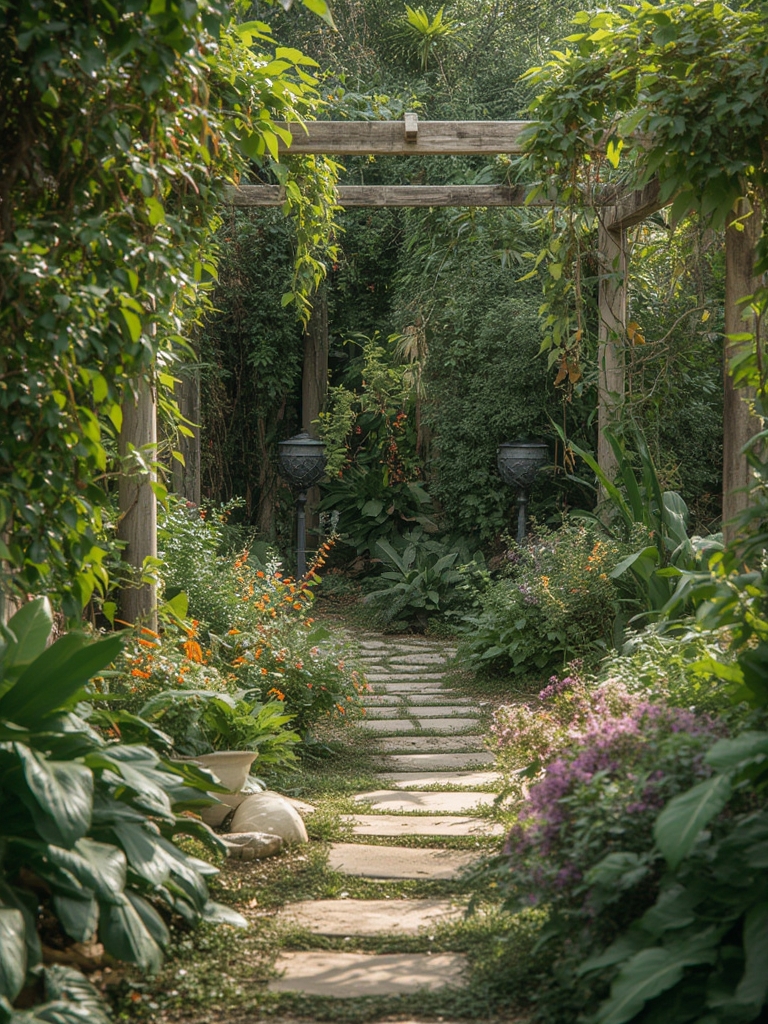
Welcome to your garden sanctuary! Whether you’re a seasoned green thumb or just starting out, this guide blends data‑driven planting techniques with creative DIY projects to transform any outdoor space into a thriving, Instagram‑worthy oasis. Below you’ll find clear, actionable steps to grow and care for lavender—a hardy, fragrant herb that brings color, scent, and pollinator appeal to any garden—plus simple crafts that add personality without breaking the bank.
Planning Your Lavender Garden
Assess Light, Soil, and Space
- Sunlight: Lavender thrives in full sun. Aim for at least 6–8 hours of direct light daily. Use a light meter app to confirm exposure, especially in partially shaded yards.
- Soil pH: Ideal pH is 6.5–7.5. Test your soil with a kit; if it’s too acidic, add
limein small increments (½ cup per 10 sq ft) and retest after two weeks. - Drainage: Lavender hates “wet feet.” Amend heavy clay with coarse sand or perlite (1 part amendment to 3 parts native soil) to improve drainage.
Choose the Right Variety
Data from the USDA Plant Hardiness Zones shows English lavender (Lavandula angustifolia) performs best in zones 5–8, while Spanish lavender (Lavandula stoechas) tolerates hotter climates (zones 8–10). Select a variety that matches your local climate to reduce disease risk and boost bloom longevity.
Step‑by‑Step Lavender Care
1. Soil Preparation
Before planting, work 2–3 inches of compost into the topsoil. This provides a slow‑release nutrient base without compromising the plant’s preference for lean soil. Avoid nitrogen‑heavy fertilizers; they can produce lush foliage at the expense of flower production.
2. Planting
- Space plants 12–18 inches apart to ensure good air circulation—key to preventing fungal issues.
- Dig a hole twice the width of the root ball but no deeper. Gently loosen the roots, place the plant, and backfill with soil mixed with a handful of
gravelfor extra aeration. - Water lightly to settle the soil, then step back and assess the plant’s height; the crown should sit just above the soil line.
3. Watering Schedule
During the first month, water once a week (≈1 inch of water). After establishment, reduce frequency to every 10–14 days. Use a rain gauge to avoid over‑watering; lavender prefers the soil to dry out between sessions.
4. Pruning for Longevity
Prune twice a year:
- Early Spring (March–April): Trim back about one‑third of the previous year’s growth to stimulate fresh shoots.
- Late Summer (August–September): Shape the plant and remove spent flower spikes to encourage a second, smaller bloom.
Always use clean, sharp pruning shears and cut just above a leaf node to promote healthy regrowth.
5. Feeding
Lavender needs minimal feeding. Apply 0.5 lb of balanced, low‑nitrogen fertilizer (e.g., 5‑10‑5) per 100 sq ft in early spring. Over‑fertilizing leads to leggy growth and fewer flowers.

6. Harvesting & Using Lavender
Harvest flower buds when they’re just starting to open—this captures peak essential oil content. Cut stems early in the morning, bundle, and hang upside down in a dark, well‑ventilated area for 1–2 weeks to dry. Use the dried buds for sachets, teas, or homemade potpourri.
DIY Garden Crafts to Add Charm
Mason Jar Herb Planters
- Gather recycled mason jars, a small drill, and
sandfor drainage. - Drill a ½‑inch hole in the lid for ventilation.
- Layer 1 cm of gravel at the bottom, add a mix of potting soil and sand (2:1), then plant a lavender cutting.
- Label each jar with chalkboard paint for a cohesive look.
These portable planters are perfect for balconies or windowsills and provide a charming, uniform aesthetic.
Painted Garden Stones
Transform ordinary stepping stones into whimsical art:
- Clean stones with a stiff brush and let dry.
- Sketch simple motifs (e.g., lavender sprigs, bees, or sunbursts) with a pencil.
- Apply exterior acrylic paint and seal with a clear outdoor sealant.
- Arrange stones along pathways to guide visitors through your lavender beds.
Upcycled Pallet Trellis
A vertical trellis maximizes space and adds visual interest:
- Disassemble a weather‑treated pallet and sand rough edges.
- Stagger the slats to create a diamond pattern, securing with galvanized screws.
- Attach the trellis to a fence or freestanding post using
U‑brackets. - Train lavender stems to climb gently; this improves air flow and reduces disease.
DIY Lavender Sachet Pouches
Capture the garden’s fragrance for indoor use:
- Cut two pieces of organic cotton fabric (4 × 6 inches).
- Sew three sides, leaving the top open.
- Fill with a handful of dried lavender buds and tie the top with a rustic twine bow.
- Place sachets in drawers, closets, or bathroom cabinets for a fresh scent boost.
Putting It All Together: A Weekly Checklist
Monday – Soil & Plant Health
- Check soil moisture with a finger test (2 inches deep).
- Inspect for pests; hand‑remove any aphids or spider mites.
Wednesday – Water & Prune
- Water if the soil feels dry; aim for a slow, deep soak.
- Trim any stray stems that look damaged or diseased.
Friday – Craft & Share
- Work on a DIY project (e.g., paint a stone or refill a mason jar).
- Take a photo of your progress and share it on social media with the hashtag #LavenderLove to inspire fellow gardeners.
By following these data‑backed steps and sprinkling in a few creative crafts, you’ll cultivate a lavender garden that not only looks stunning but also feels rewarding to maintain. Happy planting, and enjoy the soothing scent of success!

