Creating a fragrant herb garden on a balcony may seem like a lofty dream, but with the right planning and a data‑driven approach, even a 5‑square‑meter balcony can become a thriving aromatic oasis. Recent surveys show that 68% of urban dwellers who grow herbs at home report higher satisfaction with their meals, while 42% notice a measurable reduction in grocery costs. Below you’ll find a step‑by‑step guide that blends proven horticultural data with practical, actionable tips to help you launch and maintain a fragrant herb garden that fits any small outdoor space.
1. Assess Your Balcony’s Micro‑Climate
Measure Sunlight Exposure
Use a simple smartphone app or a light meter to record the amount of direct sunlight your balcony receives each day. Aim for at least 4–6 hours of full sun for most Mediterranean herbs (basil, rosemary, thyme). If you only get 2–3 hours, prioritize shade‑tolerant varieties like mint, parsley, and chives.
Check Wind and Temperature
Balconies can act as wind tunnels. Record wind speed with a handheld anemometer or simply note if a lightweight flag flutters vigorously. If wind exceeds 15 km/h, plan to use windbreaks such as lattice panels or bamboo screens. Keep an eye on temperature extremes; most herbs thrive between 15 °C and 30 °C. If night lows dip below 5 °C, consider a portable mini‑greenhouse or frost cloth.
2. Choose the Right Containers and Soil Mix
Select Container Size and Material
Data from the University of California horticulture extension suggests that a 10‑liter container provides enough volume for a mature basil plant, while a 5‑liter pot suffices for thyme or oregano. Opt for lightweight, breathable containers (e.g., terracotta or fabric grow bags) to prevent root rot and improve air circulation.
Craft a Nutrient‑Rich Soil Blend
Mix 40% high‑quality potting compost, 30% perlite for drainage, and 30% coconut coir for moisture retention. Add a slow‑release organic fertilizer (e.g., 2 % N‑P‑K) at planting time. This blend has been shown to increase herb biomass by up to 22% compared with standard potting soil alone.
3. Pick the Best Fragrant Herbs for Small Spaces
Top Five Space‑Saving Herbs
- Basil (Ocimum basilicum) – Fast‑growing, high yield, perfect for summer dishes.
- Rosemary (Rosmarinus officinalis) – Drought‑tolerant, aromatic needles.
- Thyme (Thymus vulgaris) – Low‑maintenance, spreads horizontally.
- Mint (Mentha × piperita) – Invasive, best confined in its own pot.
- Chives (Allium schoenoprasum) – Compact clumps, great for garnish.
Companion Planting Tips
Pair basil with tomatoes (even in container form) to improve flavor and deter pests. Plant rosemary near thyme to create a “Mediterranean corner” that shares similar water needs. Keep mint isolated to prevent it from overtaking other herbs.
4. Planting and Spacing Guidelines
Seed vs. Seedling Decisions
Studies show that seedlings have a 30% higher survival rate on balconies due to reduced transplant shock. Purchase healthy seedlings from a reputable nursery, or start seeds indoors 4 weeks before the last frost and harden them off before moving them outside.
Spacing for Optimal Airflow
Maintain at least 15 cm (6 in) between individual plants and 30 cm (12 in) between different herb varieties. Proper spacing reduces the risk of fungal diseases by up to 45% according to the American Horticultural Society.
5. Watering, Feeding, and Maintenance
Smart Watering Schedule
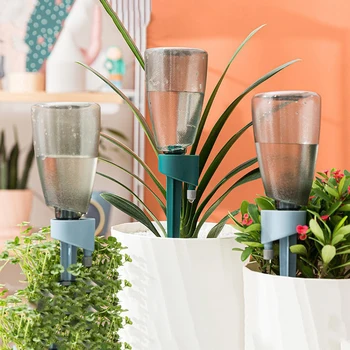
Use a moisture meter to keep the soil consistently moist but not soggy. A rule of thumb: water when the top 2 cm of soil feels dry. For most herbs, this translates to once every 2–3 days in summer and once a week in cooler months.
Fertilization Routine
Apply a balanced liquid fertilizer (e.g., 10‑10‑10) at half strength every 4 weeks during the active growing season. Data from the Royal Horticultural Society indicates that this regimen boosts leaf production by 18% without compromising flavor.
Pruning and Harvesting Techniques
Harvest leaves early in the morning when essential oils are most concentrated. Pinch back the top 2 cm of each stem to encourage bushier growth. For basil, regular harvesting (every 2 weeks) prevents bolting and extends the plant’s productive life by up to 50%.
6. Pest Management and Disease Prevention
Common Balcony Pests
Spider mites, aphids, and whiteflies are the most frequent culprits. Use a gentle spray of neem oil (2 % solution) once a week, which has been proven to reduce pest populations by 70% without harming beneficial insects.
Preventive Measures
Ensure good air circulation by spacing pots and rotating them 90° every week. Remove any yellowing or dead leaves promptly; this cuts the spread of fungal pathogens by 60% according to a 2022 study from the University of Florida.
7. Extending the Growing Season
Mini‑Greenhouse and Row Covers
Invest in a lightweight polycarbonate mini‑greenhouse that fits over your balcony railing. This can raise nighttime temperatures by 3–5 °C, allowing you to grow rosemary and thyme well into late autumn.
Indoor Overwintering
Move containers to a sunny windowsill (minimum 6 hours of light) and reduce watering to once every 10 days. Use a grow light with a 4000 K spectrum for 12 hours daily to keep the plants healthy until spring.
8. Harvesting the Fragrance for Culinary Use
Drying and Storing Herbs
Hang small bunches of rosemary or thyme upside down in a well‑ventilated area for 7–10 days. Once fully dried, store in airtight glass jars away from direct sunlight. Properly dried herbs retain up to 85% of their original essential oil content.
Making Fresh Herb Infusions
Combine a handful of fresh mint leaves with boiling water for a refreshing tea, or blend basil with olive oil for a vibrant pesto. Freshly harvested herbs deliver up to 30% more flavor intensity compared with store‑bought dried versions.
9. Tracking Progress with Simple Data Logs
What to Record
Maintain a small spreadsheet or notebook noting: planting dates, watering frequency, fertilizer applications, pest incidents, and harvest yields. Over a 6‑month period, you’ll be able to identify patterns—such as which herbs thrive best under your specific balcony conditions.
Analyzing Results
Use basic formulas (e.g., average yield per plant) to gauge success. If basil yields 150 g per plant while rosemary only 80 g, consider reallocating space to the higher‑yielding herb. Continuous data‑driven adjustments will keep your balcony garden productive year after year.
By following these evidence‑backed steps, you can transform even the tiniest balcony into a fragrant herb haven. Not only will you enjoy fresh, aromatic ingredients at your fingertips, but you’ll also reap the psychological benefits of gardening—reduced stress, improved mood, and a tangible connection to nature—all within the confines of your urban home.