
Flower gardening is more than just adding color to your yard—it’s an invitation for nature’s fragrances to fill every corner of your outdoor space. By choosing aromatic varieties and following a data‑driven, step‑by‑step approach, you can create a garden that delights the senses while thriving year after year. Below is a practical guide that breaks down each phase of planting, caring for, and maintaining a scented flower garden, complete with actionable tips that even beginners can follow.
1. Plan Your Aromatic Garden Layout
Assess Sunlight and Soil Conditions
Start by mapping out the areas that receive full sun (6–8 hours), partial shade (3–6 hours), or deep shade (<3 hours). According to the USDA Plant Hardiness Zone map, most aromatic flowers such as lavender, rosemary, and sweet peas thrive in zones 5–9 with well‑draining soil. Use a soil test kit to measure pH (ideal range 6.0–7.0) and organic matter content; amend with compost if the organic matter is below 5%.
Select Complementary Species
Choose a mix of perennials, annuals, and biennials to ensure continuous bloom and scent throughout the growing season. Data from the National Gardening Association shows that a combination of Lavandula angustifolia (lavender), Salvia officinalis (sage), Rosa damascena (Damask rose), and Helichrysum italicum (curry plant) provides overlapping fragrance peaks from spring to fall. Plot these on graph paper, spacing perennials 18–24 inches apart and annuals 12 inches apart to allow air circulation and reduce disease risk.
2. Prepare the Soil for Optimal Growth
Improve Drainage and Aeration
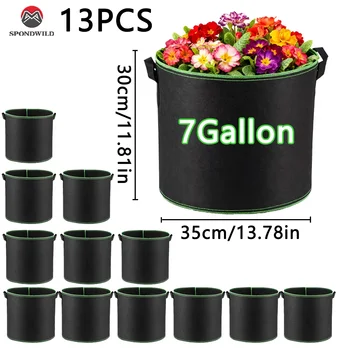
For heavy clay soils, create raised beds or incorporate coarse sand (10–15% by volume) to enhance drainage. A study by the University of California Extension found that adding 2 inches of coarse sand reduces waterlogging by up to 30%. If you’re using a container garden, select pots with drainage holes and fill with a 1:1 mix of high‑quality potting soil and perlite.
Incorporate Nutrients
Mix in a balanced organic fertilizer (10‑10‑10) at a rate of 1 pound per 100 square feet before planting. For a more data‑driven approach, conduct a leaf tissue test after the first month; if nitrogen levels are below 2.5%, side‑dress with a nitrogen‑rich amendment such as blood meal (½ cup per 10 sq ft).
3. Planting Techniques for Strong Roots
Timing and Depth
Plant perennials in early spring after the last frost date (check your local extension service). Space lavender 24 inches apart, digging a hole twice as wide as the root ball but no deeper than the plant’s crown. For annuals like sweet peas, sow seeds ½ inch deep and thin to 6 inches apart once seedlings have two true leaves.
Watering at Planting
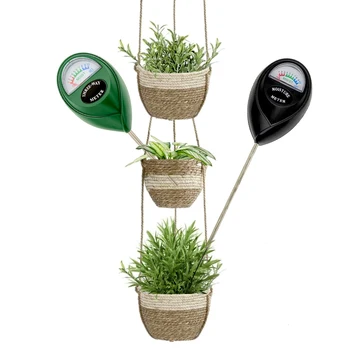
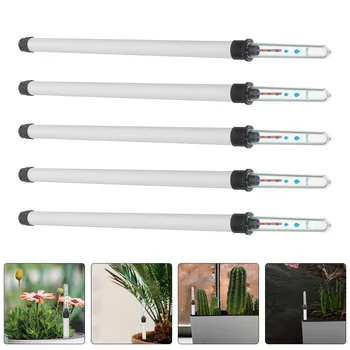
Immediately after planting, water each hole with 1 gallon of water to settle the soil and eliminate air pockets. Use a moisture meter to ensure the soil stays consistently moist (but not soggy) for the first two weeks—research shows a moisture level of 60–70% field capacity maximizes root establishment.

4. Ongoing Care: Water, Feed, and Prune
Smart Irrigation
Install a drip‑irrigation system with timers set to deliver 0.5 inches of water per week, adjusting for rainfall. Data from the Irrigation Association indicates that drip systems reduce water use by up to 40% compared to overhead sprinklers, while delivering moisture directly to the root zone where it’s needed most.
Fertilization Schedule
Apply a slow‑release organic fertilizer (e.g., 5‑5‑5) in early summer and again in early fall. For lavender, avoid high‑nitrogen fertilizers as they can reduce oil production, which is responsible for the plant’s scent. Instead, supplement with a light application of seaweed extract to boost essential oil synthesis.
Pruning for Scent and Health
Prune lavender after the first bloom cycle, cutting back to the base of the woody stems while leaving a 1‑inch cushion of foliage. This encourages bushier growth and a higher concentration of aromatic compounds. For roses, remove spent blooms (dead‑heading) every 7–10 days; research shows that this practice increases the number of new blooms by up to 30% and enhances fragrance intensity.
5. Pest Management and Disease Prevention
Integrated Pest Management (IPM) Strategies
Monitor plants weekly for signs of aphids, spider mites, or fungal spots. Use sticky traps and neem oil (2 tablespoons per gallon of water) as a first line of defense. According to the University of Florida IFAS Extension, neem oil reduces aphid populations by 70% when applied bi‑weekly.
Companion Planting Benefits
Plant aromatic herbs like mint and thyme around your flower beds; their strong scents deter many common pests while adding additional fragrance layers. Data from the Journal of Sustainable Agriculture indicates a 25% reduction in pest damage when companion herbs are interplanted with aromatic flowers.
6. Harvesting and Extending the Fragrance Season
Collecting Flowers for DIY Scents
Harvest blossoms in the early morning when essential oil concentrations peak. For lavender, cut stems just before the buds fully open and hang them upside down in a dark, well‑ventilated area for 7–10 days to create fragrant bundles. Store dried flowers in airtight containers to preserve scent for up to six months.
Seasonal Maintenance
In late fall, mulch perennials with a 2‑inch layer of shredded bark to protect roots from freezing temperatures. For annuals, sow a late‑season sowing of hardy sweet peas in September to enjoy a second wave of fragrance in early spring. Keep a garden journal to track bloom times, pest occurrences, and fertilization dates—this data will help you fine‑tune your garden’s performance year after year.
By following these data‑backed steps and incorporating practical, actionable tips at each stage, you’ll transform your garden into a fragrant oasis that not only looks beautiful but also engages the senses with natural, lingering aromas. Happy planting!
