Welcome to your guide on sustainable gardening—a practical, eco‑friendly approach that not only nurtures beautiful plants but also supports the health of our planet. By integrating native species, composting, water‑wise techniques, and natural pest control, you can create a thriving garden that requires fewer resources and delivers bountiful rewards. Below you’ll find a step‑by‑step plan, backed by data from recent horticultural studies, to help you design, plant, and maintain a sustainable garden that keeps pests at bay naturally.
1. Planning Your Sustainable Garden
Assess Your Space and Climate
- Soil test: Use a DIY kit or send a sample to a local extension service. Aim for a pH between 6.0–7.0 for most vegetables and herbs.
- Sun exposure: Track sunlight for a week. Plants need 6–8 hours of direct sun for fruiting crops; shade‑tolerant greens thrive in 3–4 hours.
- Water source: Install a rain barrel or connect to a greywater system. Studies show rainwater harvesting can cut irrigation use by up to 50 %.
Choose Native and Low‑Maintenance Plants
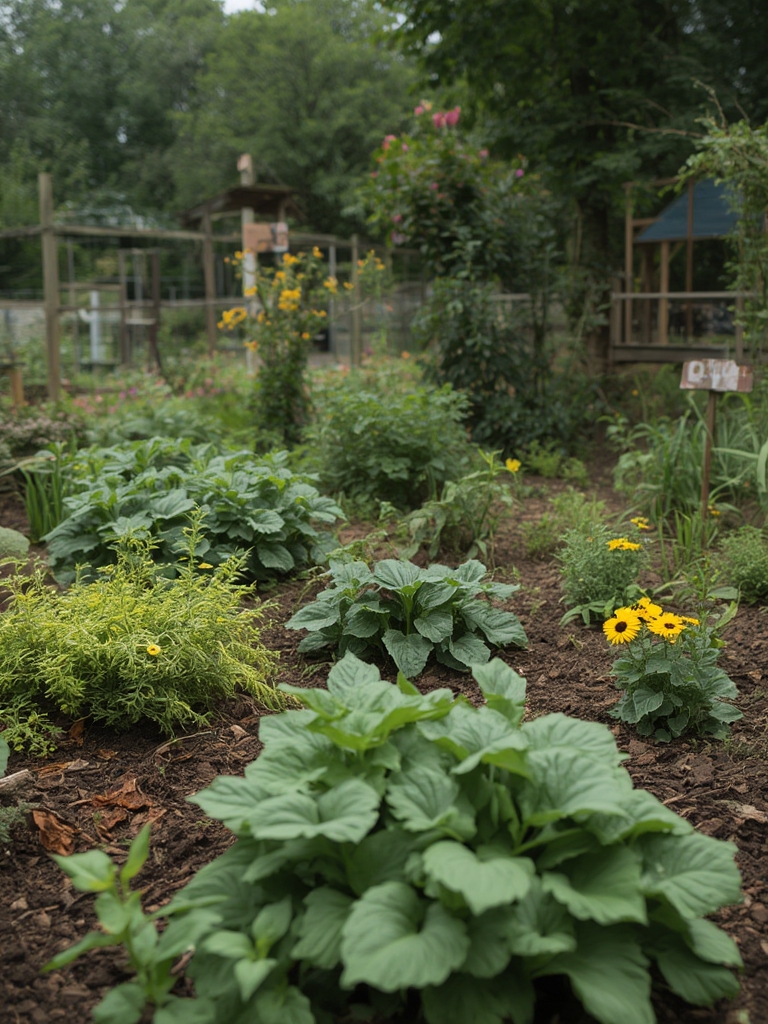
Native species are adapted to local conditions, reducing water and fertilizer needs. According to the USDA, gardens with ≥70 % native plants use 30 % less water and host 40 % more beneficial insects.
- Examples: Coneflower (Echinacea), Black-eyed Susan (Rudbeckia), and Milkweed for pollinators.
- Companion planting: Pair basil with tomatoes to deter aphids, or plant marigolds near cucumbers to repel nematodes.
2. Building Healthy Soil
Start with Compost
Compost improves soil structure, water retention, and nutrient availability. A 2019 meta‑analysis found that adding 2–4 inches of compost can increase vegetable yields by 20‑30 %.
- Action step: Layer kitchen scraps, yard waste, and a carbon source (e.g., shredded newspaper) in a bin. Turn every 2–3 weeks; the pile should reach 120–160 °F for pathogen kill.
- Tip: Use finished compost as a top‑dressing in early spring to kick‑start growth.
Incorporate Organic Mulch
Mulch conserves moisture, suppresses weeds, and adds organic matter as it decomposes. Data from the University of California shows mulch can reduce evaporation by up to 70 %.
- Materials: Straw, wood chips, or leaf litter.
- Depth: Apply 2–3 inches around plant bases, keeping mulch away from stems to prevent rot.
3. Water‑Wise Practices
Drip Irrigation & Soaker Hoses
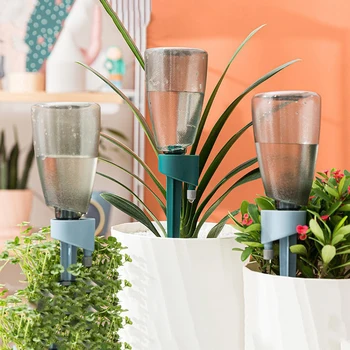
Targeted watering delivers water directly to the root zone, reducing waste. A 2022 study found drip systems can lower water use by 45 % compared to overhead sprinklers.
- Installation tip: Lay drip lines along rows before planting; use pressure regulators to avoid over‑watering.
- Automation: Pair with a moisture sensor to water only when soil drops below 30 % volumetric water content.
Timing and Frequency
Water early in the morning (5–8 AM) to minimize evaporation and fungal risk. Adjust frequency based on rainfall—if you receive 1 inch of rain, skip irrigation for the next 5–7 days.
4. Natural Pest Management Using Plants
Plant-Based Repellents
Many herbs and flowers emit volatile compounds that deter pests. Research from Cornell University highlights that planting Allium (garlic, onions) reduces spider mite populations by 35 %.

- Garlic spray: Blend 5 cloves of garlic with 1 quart water, let sit 24 hours, strain, and spray on leaves weekly.
- Herb borders: Surround vegetable beds with rosemary, thyme, and sage to repel cabbage moths and beetles.
Beneficial Insect Habitat
Encourage predators like ladybugs, lacewings, and parasitic wasps by providing nectar sources.
- Flower strips: Plant yarrow, fennel, and dill in a 3‑foot strip to attract beneficial insects.
- Insect hotels: Build or purchase a wooden block with drilled holes (¼‑¾ in) to offer shelter for solitary bees.
Companion Planting for Pest Suppression
Strategic plant pairings can reduce pest pressure without chemicals.
- Tomatoes + Basil: Basil releases essential oils that repel whiteflies.
- Carrots + Onions: Onions mask carrot scent, confusing carrot flies.
5. Harvesting and Ongoing Maintenance
Timing Your Harvest
Harvest at peak maturity for best flavor and to encourage continued production. For leafy greens, cut the outer leaves first; for fruiting crops, pick when fruits are fully colored but still firm.
Seasonal Soil Refresh
After each growing season, add a 1‑inch layer of compost and lightly turn it into the top 6 inches of soil. This replenishes nutrients and maintains soil biology.
Continuous Monitoring
Keep a garden journal (digital or paper) to track planting dates, weather events, pest sightings, and yields. Over time, this data helps you fine‑tune watering schedules, plant selections, and pest‑control strategies.
6. Quick‑Action Checklist for Sustainable Success
- Test soil pH and amend as needed.
- Install rain barrel and drip irrigation before planting.
- Start a compost bin; add kitchen scraps weekly.
- Apply 2–3 inches of organic mulch after planting.
- Plant native species and companion herbs for natural pest control.
- Set up insect hotels and flower strips for beneficial insects.
- Water early mornings; use moisture sensors to avoid over‑watering.
- Harvest regularly and record observations in a garden journal.
By following these data‑driven steps, you’ll create a resilient, low‑maintenance garden that not only yields fresh produce and beautiful blooms but also contributes to a healthier ecosystem. Sustainable gardening is a journey—each season offers new insights, and with consistent observation and adaptation, your garden will flourish for years to come.