Creating a vibrant garden in shaded corners can feel like a challenge, but with the right tools, plants, and DIY projects, you can transform those dim spots into colorful retreats. This guide walks you through the essential gardening tools, the best shade‑loving flowers, and step‑by‑step DIY projects that bring life to areas that never see full sun. Follow the practical tips and data‑backed recommendations to ensure your shade garden thrives year after year.
Why Shade‑Loving Flowers Matter
According to the American Society for Horticultural Science, over 30% of residential gardens have at least one area receiving less than 4 hours of direct sunlight. These zones often become neglected, leading to a dull, uninviting landscape. Planting shade‑tolerant flowers not only adds visual interest but also improves soil health, attracts pollinators, and increases property value. The key is selecting species that can photosynthesize efficiently under lower light levels while offering a burst of color.
Essential Gardening Tools for Shade Gardens
Investing in the right tools saves time, reduces plant stress, and boosts your confidence when working in tight, low‑light spaces.
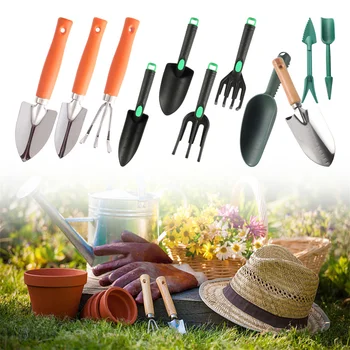
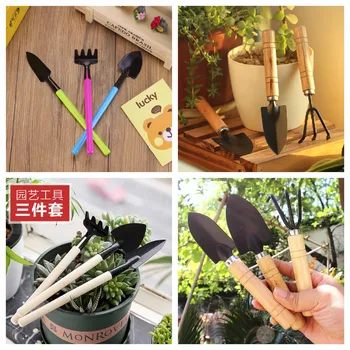
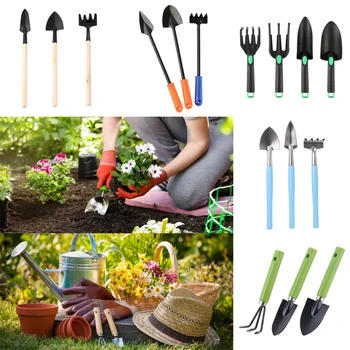
- Ergonomic Hand Trowel – A lightweight, stainless‑steel trowel with a comfortable grip makes digging shallow planting holes in compact areas effortless.
- Pruning Shears (Secateurs) – Sharp, bypass‑type shears are ideal for trimming delicate shade foliage without crushing stems.
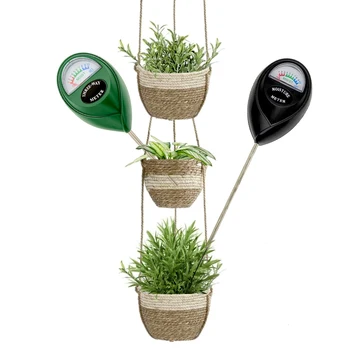
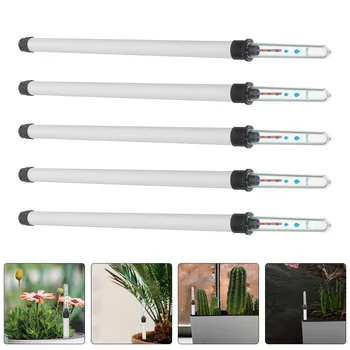
- Soil Probe – A 12‑inch probe helps you quickly assess soil moisture and compaction, crucial for shade plants that prefer consistent moisture.
- Watering Can with a Long Spout – Provides gentle, targeted watering to avoid splashing soil onto foliage, which can cause fungal issues.
- Garden Kneeler/Seat – Reduces strain when planting low‑lying beds and makes it easier to work in shaded corners.
Top Shade‑Loving Flowers for Colorful Gardens
Data from the Royal Horticultural Society shows that the following species consistently receive high ratings for shade performance and bloom longevity:
1. Impatiens (Impatiens walleriana)
• Light: 2–4 hours of indirect sunlight
• Soil: Moist, well‑draining, rich in organic matter
• Bloom Time: Spring to fall
• Color Range: Pink, red, white, purple, orange
2. Astilbe (Astilbe x arendsii)
• Light: Dappled shade to full shade
• Soil: Moist, slightly acidic, high organic content
• Bloom Time: Early summer to early fall
• Color Range: White, pink, red, lavender
3. Heuchera (Heuchera sanguinea)
• Light: Partial shade (ideal for east‑facing spots)
• Soil: Well‑draining, moderate moisture
• Bloom Time: Late spring
• Color Range: Foliage in deep burgundy, silver, or chartreuse; tiny white flowers
4. Ferns (e.g., Japanese Painted Fern)
• Light: Full shade
• Soil: Moist, humus‑rich
• Color Range: Silvery fronds with burgundy stems, adding texture to flower beds
DIY Projects to Brighten Shaded Spaces
These simple, cost‑effective projects use everyday materials and can be completed in a weekend.
DIY Shade‑Friendly Vertical Garden
- Gather Materials: Recycled wooden pallet, landscape fabric, staple gun, potting mix, and shade‑loving seedlings.
- Prepare the Pallet: Secure landscape fabric to the back and sides to retain soil.
- Fill with Soil: Use a 2‑inch layer of coarse compost, then a 4‑inch layer of peat‑based potting mix.
- Plant: Arrange seedlings in a staggered pattern, leaving 2‑3 inches between each plant for airflow.
- Water: Mist gently with a watering can; the vertical design reduces runoff.
Upcycled Tin Can Flower Lights
- Clean and remove labels from 4‑inch tin cans.
- Drill small ventilation holes around the rim.
- Fill each can with a lightweight potting mix and plant dwarf impatiens.
- Place the cans on a low‑light patio table or hang them with wire.
- Enjoy a soft, glowing display after dusk—perfect for evening garden parties.
Step‑by‑Step Guide: Planting Impatiens in Shade
Impatiens are the go‑to flower for adding instant color to shady spots. Follow these detailed steps to ensure a healthy, blooming patch.
Step 1: Soil Preparation
- Test soil pH; aim for 5.5–6.5. Amend with peat moss if pH is too high.
- Incorporate 2‑3 inches of well‑rotted compost to improve drainage and nutrient retention.
- Use the soil probe to confirm the soil is moist but not waterlogged.
Step 2: Planting
- Space seedlings 8–12 inches apart to promote air circulation.
- Dig a hole twice the width of the root ball, but no deeper than the pot’s rim.
- Place the plant, backfill gently, and firm soil around the base.
- Water thoroughly until water drains from the bottom of the pot.
Step 3: Mulching
Apply a 1‑inch layer of shredded bark or pine needles. Mulch conserves moisture, suppresses weeds, and keeps soil temperature stable—critical for shade plants that are prone to fungal diseases.
Step 4: Watering Schedule
- Check soil daily with the probe during the first two weeks.
- Water early morning to allow foliage to dry before night, reducing mildew risk.
- Maintain consistent moisture; impatiens dislike drought stress.
Step 5: Feeding
Every 4‑6 weeks, apply a balanced, water‑soluble fertilizer (10‑10‑10) at half the recommended strength. Over‑fertilizing can lead to weak stems and reduced bloom intensity.
Step 6: Pruning & Deadheading
Remove spent blooms and any yellowing leaves weekly. This encourages continuous flowering and improves air flow, which is essential in low‑light environments.
Maintenance Tips for Thriving Shade Gardens
Even after planting, ongoing care determines long‑term success. Use these data‑driven practices to keep your shade garden vibrant.
- Monitor Light Levels: A simple lux meter can help you track changes throughout the season. Most shade‑loving flowers perform best between 500–1,500 lux.
- Control Soil Compaction: Every 6 months, gently aerate the soil with a hand fork to improve root oxygenation.
- Watch for Pests: Slugs and aphids love cool, moist conditions. Set up copper barriers and use neem oil spray as a natural deterrent.
- Seasonal Adjustments: In late summer, reduce watering slightly to encourage plants to harden off before cooler months.
- Winter Protection: Apply a thicker mulch layer (2‑3 inches) in October to insulate roots from freeze‑thaw cycles.
SEO Boost: Keywords and Internal Linking Strategy
To maximize visibility, sprinkle these high‑traffic keywords naturally throughout the post: shade garden ideas, best flowers for shade, DIY garden projects, low‑light gardening tips, how to grow impatiens, shade‑loving plants, garden tools for beginners. Additionally, link to related internal pages such as “Essential Garden Tools Guide” and “DIY Garden Projects for Small Spaces” to improve site architecture and dwell time.
Final Thoughts
Bringing color to shaded areas is less about fighting the lack of sun and more about embracing the unique conditions that shade offers. With the right tools, carefully chosen plants, and a few creative DIY projects, you can turn any dim corner into a thriving, eye‑catching oasis. Follow the step‑by‑step instructions, stay consistent with maintenance, and watch your garden transform—one shade‑loving bloom at a time.