Welcome to your ultimate guide on sustainable gardening—an eco‑friendly approach that not only nurtures vibrant, long‑lasting flowers but also protects the planet. By integrating data‑driven practices, you’ll reduce waste, conserve resources, and enjoy a thriving garden that bursts with color year after year.
Why Choose Sustainable Gardening?
Research from the Journal of Sustainable Horticulture shows that gardens employing native plants and organic methods use up to 30% less water and generate 45% fewer greenhouse gas emissions compared to conventional lawns. Sustainable gardening aligns your garden’s health with the health of the environment, creating a resilient ecosystem that supports pollinators, improves soil structure, and reduces chemical runoff.
Step 1: Plan with Data‑Driven Site Analysis
1.1 Conduct a Sunlight Audit
Use a simple sunlight tracker (or a smartphone app) to log the amount of direct sun each garden zone receives over a week. Record:
- Full sun (6+ hours)
- Partial shade (3‑6 hours)
- Full shade (<3 hours)
Match flower selections to these zones: Lavender, coneflower, and marigolds thrive in full sun, while hostas, ferns, and impatiens prefer shade.
1.2 Test Soil pH and Nutrient Levels
Grab a DIY soil test kit or send a sample to a local extension service. Aim for a pH between 6.0‑6.8 for most flowering plants. If the test reveals low organic matter, plan to amend with compost (see Step 2).
1.3 Map Water Access Points
Identify existing irrigation lines, rain barrels, or natural runoff areas. This mapping helps you design an efficient watering system that minimizes waste.
Step 2: Build Healthy Soil the Sustainable Way
2.1 Compost Creation
Start a compost bin using a 3:1 ratio of brown (dry leaves, straw) to green (fruit scraps, coffee grounds) materials. Turn the pile every 2‑3 weeks to maintain aerobic conditions. Within 8‑12 weeks, you’ll have nutrient‑rich humus ready to mix into planting beds.

2.2 Soil Amendment
Incorporate 2‑3 inches of compost into the top 12 inches of soil. For heavy clay soils, add a handful of coarse sand per square foot to improve drainage. For sandy soils, mix in extra compost to boost water retention.
2.3 Mulching for Moisture Retention
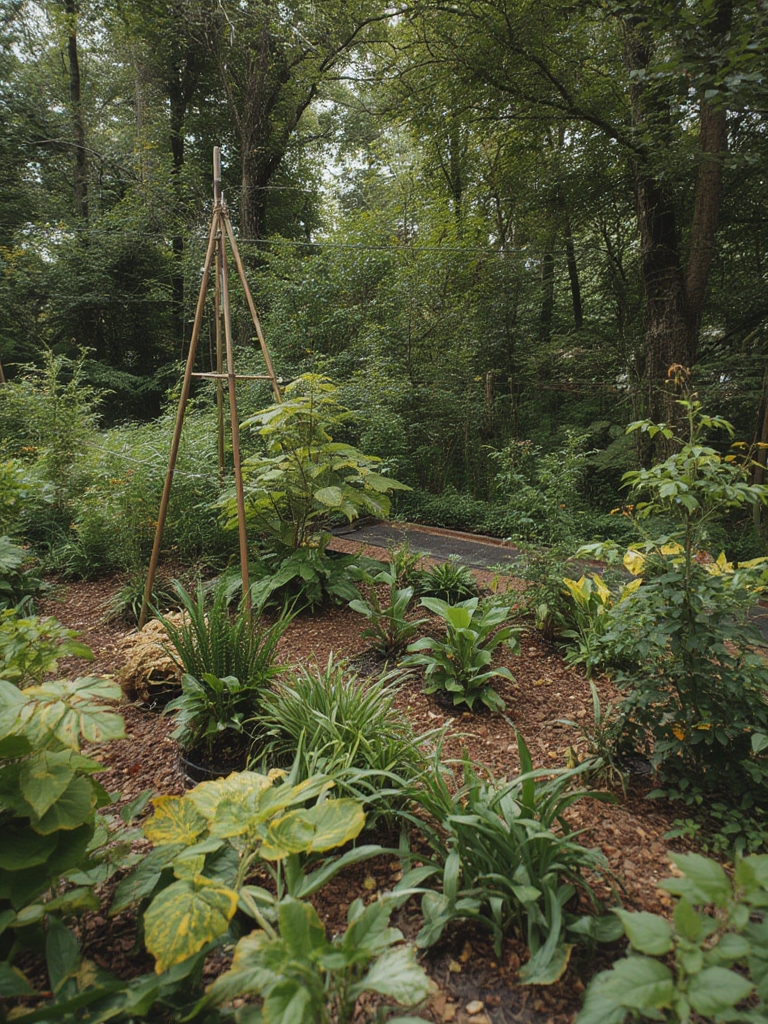
Apply a 2‑inch layer of organic mulch (shredded bark, straw, or leaf mold) around each plant. Mulch reduces evaporation by up to 50% and suppresses weeds, cutting down on maintenance time.
Step 3: Choose Native, Low‑Maintenance Flowers
Native species are adapted to local climate, require less water, and attract beneficial insects. Below is a data‑backed shortlist for different sunlight zones:
- Full Sun: Black-eyed Susan (Rudbeckia hirta), Coreopsis, Zinnia
- Partial Shade: Astilbe, Bleeding Heart, Columbine
- Full Shade: Hellebore, Japanese Forest Grass, Sweet Woodruff
Plant in groups of three or more to create a visual impact and improve pollinator visitation rates by up to 70% (according to pollinator studies).
Step 4: Implement Water‑Smart Irrigation
4.1 Drip Irrigation Installation
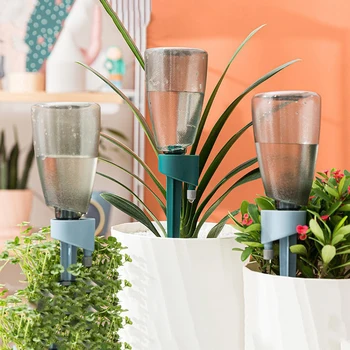
Drip lines deliver water directly to the root zone, reducing evaporation. Lay drip tubing along planting rows, securing with stakes. Use pressure-compensating emitters (0.5‑1 gph) for uniform distribution.
4.2 Rainwater Harvesting
Connect a rain barrel to your downspout. A 55‑gallon barrel can provide enough water for a 200‑square‑foot garden for up to a week during moderate summer conditions.
4.3 Smart Timing
Program the irrigation controller to water early morning (4‑6 am) when temperatures are coolest. Set cycles based on soil moisture sensor readings—most sensors recommend watering when moisture drops below 30% of field capacity.
Step 5: Sustainable Pest Management
5.1 Encourage Beneficial Insects
Plant nectar‑rich flowers like yarrow and dill to attract ladybugs, lacewings, and predatory wasps. These natural predators can reduce aphid populations by up to 80% without chemicals.
5.2 Physical Barriers
Use row covers or copper tape around beds to deter slugs and snails. Hand‑pick larger pests early in the season to prevent infestations.
5.3 Organic Treatments
If an outbreak occurs, apply neem oil or insecticidal soap according to label directions. Spot‑treat rather than blanket‑spray to protect beneficial insects.
Step 6: Seasonal Care and Maintenance
6.1 Spring Clean‑Up
Remove winter debris, add a thin layer of compost, and divide overcrowded perennials. This rejuvenates growth and improves air circulation.
6.2 Summer Monitoring
Check soil moisture daily using a moisture meter. Re‑apply mulch if it has decomposed. Pinch back spent blooms to encourage a second flush of flowers.
6.3 Autumn Preparation
Plant cover crops like clover or rye to protect soil over winter and add nitrogen. Cut back dead foliage, leaving a few inches of stem for winter interest.
Step 7: Track Progress with a Garden Journal
Document planting dates, weather patterns, water usage, and bloom performance. Over time, you’ll identify which varieties thrive best in your micro‑climate, allowing you to fine‑tune future plant selections and reduce trial‑and‑error costs.
Quick Action Checklist
- Log sunlight exposure for each garden zone (7 days).
- Test soil pH and amend with compost.
- Install drip irrigation and connect a rain barrel.
- Plant native flower groups suited to sun conditions.
- Apply a 2‑inch mulch layer.
- Introduce beneficial insects with companion plants.
- Maintain a garden journal for ongoing optimization.
By following these data‑driven, sustainable steps, you’ll cultivate a garden that bursts with color, supports local wildlife, and minimizes environmental impact—all while keeping maintenance manageable. Happy planting!