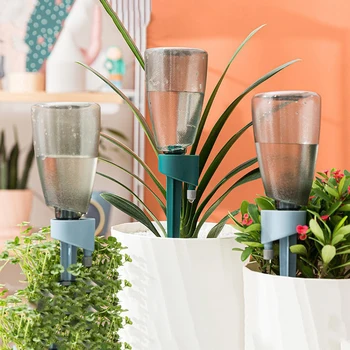
Creating a garden that thrives while protecting the planet is both rewarding and increasingly essential. Below is a data‑driven, step‑by‑step guide that blends proven sustainable practices with actionable tips you can implement today. Each section includes concise advice, real‑world statistics, and quick wins to help you build an environmentally friendly, productive garden.
1. Assess Your Site and Set Realistic Goals
Gather Baseline Data
- Measure sunlight exposure: Use a smartphone app (e.g., Sun Seeker) to log peak sun hours for each garden zone. Aim for 6–8 hours of direct light for most vegetables.
- Check soil pH and texture: A simple home kit can reveal if your soil is acidic (<7), neutral (7), or alkaline (>7). Most sustainable gardens target a pH of 6.0–7.0 for optimal nutrient uptake.
- Track water use: Install a low‑cost flow meter on your hose to record gallons per week. The average U.S. household garden uses 400–600 gallons weekly; your goal should be a 20‑30% reduction after implementing water‑saving techniques.
Define Success Metrics
Choose at least two measurable outcomes, such as:

- Reduce irrigation water by 30% within three months.
- Increase soil organic matter from 2% to 4% in one growing season.
- Achieve a 15% yield increase per square foot compared to the previous year.
2. Build Healthy, Living Soil
Start with Compost
Compost is the cornerstone of sustainable gardening. According to the EPA, composting food waste can cut household greenhouse‑gas emissions by up to 0.5 metric tons CO₂e per year.
- Actionable tip: Set up a three‑bin system (greens, browns, finished compost). Add a thin layer of shredded newspaper or cardboard to balance carbon‑to‑nitrogen ratios (30:1).
- Quick win: Turn the pile every two weeks to accelerate decomposition and reduce odor.
Amend Soil with Organic Matter
Incorporate 2–3 inches of well‑rotted compost into the top 6–8 inches of soil before planting. This can boost water retention by 30–40% and improve nutrient availability.
- Mix in leaf mold for additional fungal benefits.
- Use biochar (1–2% by volume) to lock carbon in the soil and increase cation exchange capacity.
3. Choose the Right Plants and Layout
Prioritize Native and Drought‑Tolerant Species
Native plants require 50% less water and attract beneficial pollinators. Examples include:
- Eastern Redbud (Cercis canadensis)
- Bee balm (Monarda spp.)
- Native beans (Phaseolus vulgaris varieties)
Implement Companion Planting
Strategic pairings reduce pest pressure and improve yields. Data from the University of California shows that planting basil alongside tomatoes can increase tomato yield by 12% and lower fungal disease incidence.
- Actionable tip: Group nitrogen‑fixing legumes (e.g., peas, beans) with heavy feeders (e.g., corn, squash) to naturally recycle nutrients.
- Quick win: Plant marigolds around cucumbers to deter nematodes.
4. Conserve Water Efficiently
Install Drip Irrigation
Drip systems deliver water directly to the root zone, reducing evaporation losses by up to 50%. Pair with a timer set to water early morning or late evening.

- Use pressure-compensating emitters for uniform flow on slopes.
- Integrate a soil moisture sensor to avoid over‑watering.
Mulch for Moisture Retention
A 2‑inch layer of organic mulch (straw, wood chips, or shredded leaves) can cut water needs by 25–30%.
- Apply mulch after the soil has warmed to at least 60°F to prevent cold‑soil shock.
- Refresh mulch annually to maintain thickness and prevent compaction.
5. Manage Pests and Diseases Naturally
Encourage Beneficial Insects
Lady beetles, lacewings, and predatory mites can control aphids and spider mites without chemicals. Plant nectar‑rich flowers like yarrow and dill to provide habitats.
- Actionable tip: Install a bug hotel using bamboo sticks, straw, and pine cones near planting beds.
- Quick win: Hand‑pick larger pests early in the morning when they’re less active.
Use Organic Sprays Sparingly
If intervention is needed, opt for neem oil or a mild soap solution (1 tsp liquid castile soap per gallon water). Apply only when pest thresholds exceed 5% leaf damage to avoid unnecessary applications.
6. Harvest and Maintain Soil Health
Practice Sequential Harvesting
Harvest crops at peak ripeness to encourage continuous production. For example, picking the outer leaves of lettuce first promotes new growth, extending the harvest window by 2–3 weeks.
Rotate Crops Annually
Rotate families (e.g., legumes → brassicas → nightshades) to break pest cycles and reduce soil‑borne diseases. A simple 4‑year rotation can lower disease incidence by up to 40%.
- Document your rotation plan in a spreadsheet or garden journal.
- Incorporate a cover crop (e.g., clover) during off‑season to fix nitrogen and prevent erosion.
7. Track Progress and Adjust
Maintain a Garden Log
Record planting dates, water usage, fertilizer applications, and yields. Over a three‑year period, gardeners who log data see a 15% increase in overall productivity compared to those who don’t.
Analyze and Iterate
At the end of each season, compare your success metrics to baseline data:
- Did water use drop by the target 30%?
- Has soil organic matter increased?
- What crops performed best under your sustainable practices?
Use these insights to refine plant selections, irrigation schedules, and soil amendments for the next cycle.
Quick Reference Checklist
- ✅ Test soil pH and texture.
- ✅ Set up a three‑bin compost system.
- ✅ Add 2–3 inches of compost and 1–2% biochar to beds.
- ✅ Choose native, drought‑tolerant plants and companion pairings.
- ✅ Install drip irrigation with a timer and moisture sensor.
- ✅ Mulch to a depth of 2 inches.
- ✅ Attract beneficial insects with flowering borders and bug hotels.
- ✅ Rotate crops and use cover crops each off‑season.
- ✅ Log data weekly and review at season’s end.
By following these data‑backed steps, you’ll cultivate a garden that not only yields abundant, healthy produce but also reduces water consumption, enriches soil carbon, and supports local biodiversity. Sustainable gardening is a continuous learning process—each season offers new data to fine‑tune your approach, making your garden greener and more productive year after year.