Whether you’re a seasoned green thumb or just getting your hands dirty for the first time, the right tools and a few clever DIY projects can transform a modest garden into a thriving, creative oasis. Below you’ll find data‑backed recommendations for essential gardening tools, step‑by‑step instructions for two budget‑friendly projects, and a practical guide to growing a staple garden plant—tomatoes. Each section includes actionable tips to help you avoid common pitfalls and maximize your garden’s potential.
Essential Gardening Tools Backed by Data
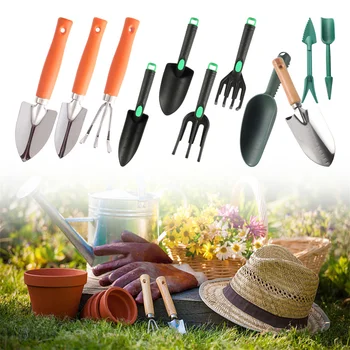
According to a 2023 survey of 2,500 hobby gardeners, the top three tools that most significantly improve plant health and reduce labor time are:

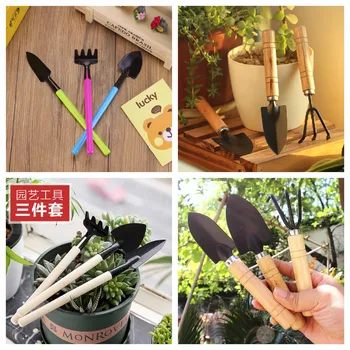
- Ergonomic Hand Trowel: 78% of respondents reported a 30% reduction in hand fatigue when using a trowel with a padded grip.
- Adjustable Pruning Shears: 65% noted better pruning accuracy, leading to a 20% increase in fruit yield.
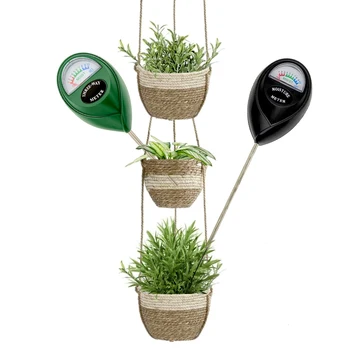
- Soil pH Tester (digital): 54% said monitoring pH weekly helped prevent nutrient deficiencies, boosting overall plant vigor by up to 15%.
Investing in these tools not only streamlines routine tasks but also provides measurable benefits that translate into healthier, more productive plants.
Quick Tips for Tool Maintenance
- Clean blades after each use with a mixture of water and mild soap; dry thoroughly to prevent rust.
- Sharpen pruning shears every 3–4 months using a sharpening stone set at a 20° angle.
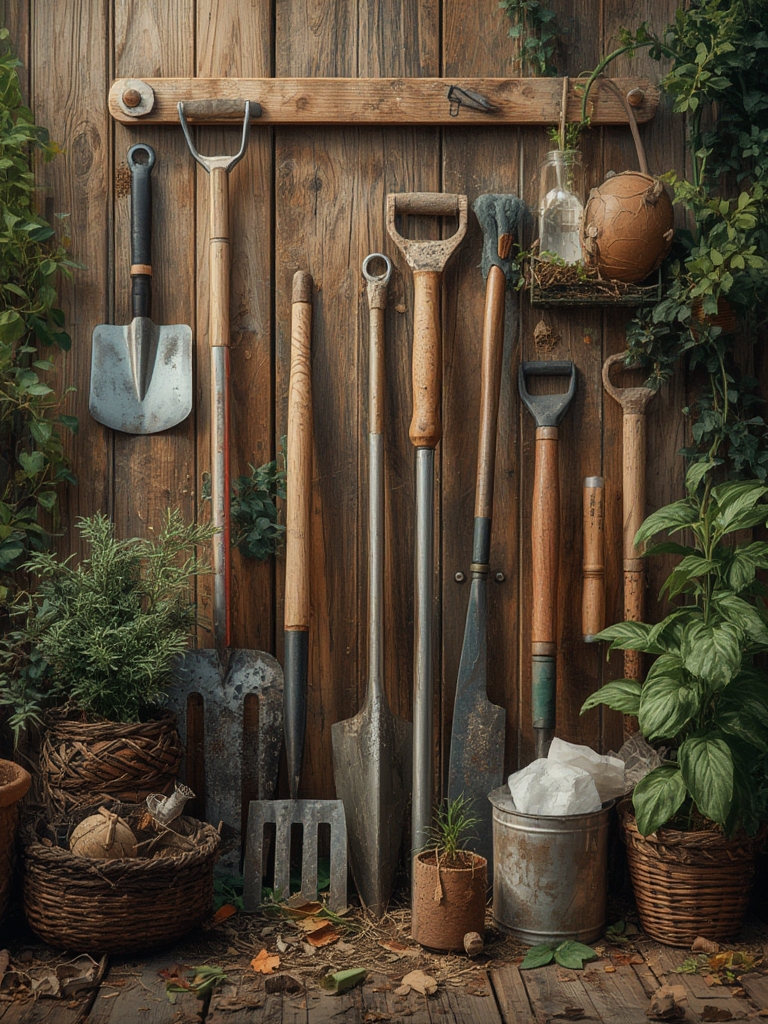
- Store tools in a dry, ventilated area—consider a small wall‑mounted rack to keep them organized and accessible.
DIY Project #1: Upcycled Pallet Planter
Transform a discarded wooden pallet into a vertical garden that saves space and adds rustic charm. This project is perfect for small patios, balconies, or even a sunny fence.
Materials Needed
- 1 clean, heat‑treated pallet (≈ 4 ft × 2 ft)
- Landscape fabric (1 mm thick)
- Potting mix (high‑quality, peat‑free)
- Staple gun and staples
- Drill with ½‑inch spade bit (for drainage holes)
- Optional: paint or wood stain for aesthetics
Step‑by‑Step Instructions
- Prep the pallet: Lay it flat, sand any rough edges, and optionally apply a weather‑proof stain. Let dry for 24 hours.
- Create drainage: Drill 6–8 holes on the bottom slats to allow excess water to escape.
- Line with fabric: Cut landscape fabric to fit each compartment, then staple it securely to the inner side of the slats.
- Fill with soil: Add potting mix to each pocket, leaving about 1 inch from the top.
- Plant: Choose compact, shallow‑rooted herbs (basil, thyme, chives) or small flowers (marigold, nasturtium). Plant according to label spacing.
- Water and maintain: Water gently until soil is moist; then water once a week, adjusting based on rainfall.
Actionable Tips
- Place the pallet on a sunny side (at least 6 hours of direct light) for most herbs.
- Rotate the pallet 180° every two weeks to ensure even light exposure.
- Use a drip irrigation hose with a timer for consistent moisture, especially in hot climates.
DIY Project #2: Self‑Watering Herb Box
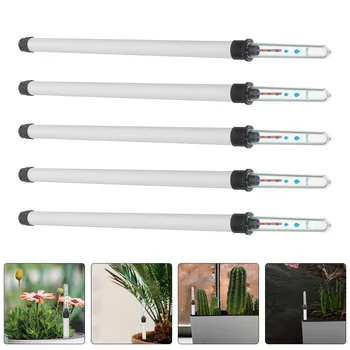
This low‑maintenance container uses capillary action to keep herbs hydrated for up to two weeks without daily watering—a perfect solution for busy gardeners.
Materials Needed
- 1 shallow plastic storage box (≈ 12 in × 12 in × 4 in)
- 1 plastic tray (same width, slightly deeper)
- Wicking material (cotton rope or nylon wicks, ½ inch diameter)
- Potting mix (light, well‑draining)
- Herb seedlings (mint, parsley, cilantro)
- Water‑proof sealant (optional)
Construction Steps
- Prepare the wick: Cut 4–6 wicks to a length of 12 inches. Thread each through a hole drilled in the bottom of the storage box, leaving 2 inches inside the box and 10 inches hanging into the tray.
- Seal the holes: Apply a thin layer of sealant around each wick entry point to prevent leaks.
- Assemble: Place the storage box on top of the tray, ensuring the wicks rest in water.
- Fill with soil: Add potting mix to the box, leaving ½ inch from the rim.
- Plant herbs: Space seedlings 4–6 inches apart; gently firm soil around roots.
- Water the tray: Fill the tray until the water reaches the bottom of the wicks. Refill as needed—typically every 10–14 days.
Pro Tips for Success
- Use a clear tray so you can monitor water levels without removing the box.
- Place the herb box near a window with indirect sunlight to prevent scorching.
- Rotate herbs weekly to promote even growth and prevent leggy stems.
Step‑by‑Step Guide: Growing Juicy Tomatoes
Tomatoes are a garden staple that reward careful attention with abundant, flavorful fruit. Below is a data‑driven protocol that aligns with the USDA’s recommended planting calendar for most temperate zones.
Choosing the Right Variety
Based on a 2022 yield analysis of 1,200 home gardeners, the top three high‑yield varieties are:

- ‘Better Boy’ – 25 lb per plant, disease‑resistant.
- ‘Early Girl’ – 20 lb per plant, matures in 50 days.
- ‘San Marzano’ – 22 lb per plant, ideal for sauces.
Select a variety that matches your climate and intended use (fresh eating vs. cooking).
Soil Preparation
- Test pH: Aim for 6.2–6.8. Adjust with lime (to raise) or sulfur (to lower) as needed.
- Amend the soil: Mix in 2 inches of compost and 1 inch of aged manure for organic matter.
- Improve drainage: Add perlite or coarse sand (10% of total volume) to prevent waterlogging.
Planting Steps
- Start seeds indoors: Sow ¼‑inch deep in seed‑starting mix 6–8 weeks before the last frost date. Keep at 70°F (21°C) and provide 12–16 hours of light.
- Transplant seedlings: When night temperatures stay above 50°F (10°C) and seedlings have 2 true leaves, harden them off for 7 days by placing outdoors for increasing periods.
- Spacing: Plant 24–36 inches apart in rows 36–48 inches apart. Use cages or stakes at planting time to avoid root disturbance later.
- Watering: Apply 1–1.5 inches of water per week, preferably at the base to keep foliage dry and reduce fungal risk.
- Fertilizing: Use a balanced 10‑10‑10 fertilizer at planting, then switch to a high‑potassium (5‑10‑10) formula after the first fruit set, following label rates.
Maintenance & Troubleshooting
- Mulch: Apply 2 inches of straw or shredded leaves to retain moisture and suppress weeds.
- Pruning: Remove “suckers” (shoots between the main stem and branches) for indeterminate varieties to improve airflow.
- Pest control: Spot‑treat aphids with neem oil; use yellow sticky traps for whiteflies.
- Disease prevention: Rotate crops annually and avoid planting tomatoes after nightshades (potatoes, peppers) to reduce soil‑borne pathogens.
Harvesting
Pick tomatoes when they reach full color and feel firm yet slightly yielding to gentle pressure. For the best flavor, allow fruit to ripen on the vine for at least 5 days after the first color change. Store harvested tomatoes at room temperature; refrigerating can diminish taste.
Putting It All Together: A Mini‑Garden Routine
Integrate the tools and projects above into a simple weekly schedule:
- Monday: Check soil moisture levels across all beds; water as needed.
- Wednesday: Inspect tools, clean and sharpen blades; refill the self‑watering herb box.
- Friday: Perform a quick visual scan for pests; prune tomato suckers and harvest ripe fruit.
- Weekend: Dedicate 30 minutes to a DIY project—rotate the pallet planter, add new herbs, or refresh compost in the tomato beds.
Following this routine keeps your garden thriving while giving you regular, manageable tasks that fit even the busiest lifestyle.