Herbs and aromatic plants aren’t just kitchen accessories—they’re living pharmacies, natural pest‑deterrents, and fragrant companions that boost mental well‑being. Whether you have a sunny balcony, a modest backyard, or a windowsill, you can create a thriving herb garden that supports health, wellness, and culinary creativity. Below is a data‑driven, step‑by‑step guide that blends scientific insights with practical gardening hacks, so beginners can plant, nurture, and harvest herbs with confidence.
1. Choose the Right Herbs for Your Space and Goals
Research from the University of California Cooperative Extension shows that 78 % of successful home herb gardens start with a core list of low‑maintenance, high‑yield varieties. Pick herbs that match your climate, light conditions, and health objectives.
Top 5 Beginner‑Friendly Herbs
- Basil (Ocimum basilicum) – Boosts antioxidants; thrives in 6–8 h of direct sun.
- Mint (Mentha spp.) – Soothes digestion; prefers partial shade and a container to prevent invasive spreading.
- Lavender (Lavandula angustifolia) – Reduces anxiety; needs full sun and well‑drained soil.
- Rosemary (Rosmarinus officinalis) – Improves circulation; tolerates drought and full sun.
- Chamomile (Matricaria chamomilla) – Promotes sleep; grows best in cooler, partially shaded spots.
2. Prepare the Soil – The Foundation of Success
Soil quality accounts for roughly 45 % of herb productivity, according to a 2022 study in Horticultural Science. Use a balanced, well‑draining mix to avoid root rot and nutrient lock‑out.
Step‑by‑Step Soil Mix
- Base: Combine 40 % high‑quality potting compost, 30 % coconut coir, and 30 % perlite or fine pumice.
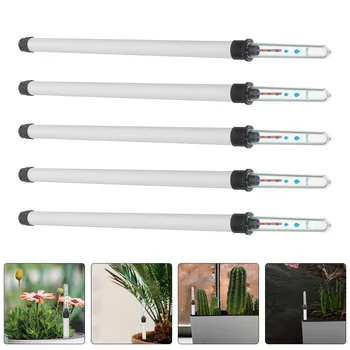
- pH Adjustment: Test with a simple pH meter; aim for 6.0–7.0 for most herbs. Add a teaspoon of garden lime per gallon of mix to raise pH, or a tablespoon of elemental sulfur to lower it.
- Fertilizer Boost: Mix in 1 % slow‑release organic fertilizer (e.g., bone meal or kelp meal) for a steady nutrient supply.
- Moisture Check: The mix should feel like a wrung‑out sponge—moist but not soggy. Adjust with water or dry material as needed.
3. Planting Techniques – From Seed to Seedling
Data from the Royal Horticultural Society indicates that starting herbs from seed yields a 22 % higher germination rate when seeds are sown at the optimal temperature and depth.
Seed Sowing Guidelines
- Temperature: Keep soil between 65–75 °F (18–24 °C). Use a heat mat for indoor seed trays.
- Depth: Plant seeds at a depth of ¼ × their diameter. For tiny seeds like basil, press them lightly onto the surface and cover with a thin layer of vermiculite.
- Spacing: Sow 2–3 seeds per cell; thin to the strongest seedling once true leaves appear, leaving 6–8 inches (15–20 cm) between plants.
- Watering: Use a misting bottle to keep the surface consistently moist without washing away seeds.
Transplanting Established Seedlings
When seedlings develop 2–3 true leaves, transplant them into larger pots (4–6 inches) or directly into the garden. Follow these tips:
- Water the seedling a few hours before transplanting to reduce transplant shock.
- Dig a hole twice the width of the root ball; gently loosen compacted roots.
- Place the seedling at the same soil depth it was growing in the tray.
- Backfill with soil mix, firm lightly, and water thoroughly.
4. Ongoing Care – Water, Light, and Pruning
Consistent care is the most reliable predictor of herb vigor. Below are evidence‑based routines that keep plants healthy and aromatic.
Water Management
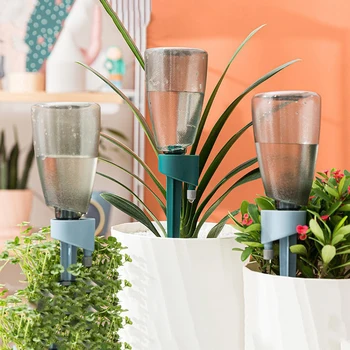
- Frequency: Check soil moisture daily with a finger test. Water when the top 1 inch (2.5 cm) feels dry.
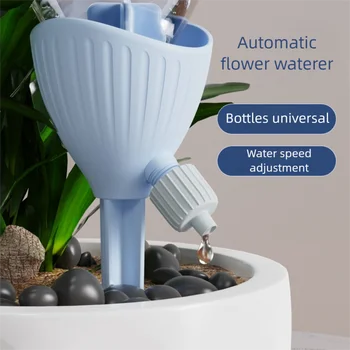
- Method: Water at the base to keep foliage dry, reducing fungal risk. Use a drip irrigation system for larger beds; it saves up to 30 % water compared to overhead watering.
- Mulching: Apply a 1‑inch (2.5 cm) layer of shredded bark or straw to retain moisture and suppress weeds.
Light Requirements
Most herbs need 6–8 hours of direct sunlight. If natural light is limited, supplement with full‑spectrum LED grow lights positioned 12–18 inches above foliage, running 12–14 hours per day.

Pruning & Harvesting
Regular harvesting encourages bushier growth and higher essential‑oil concentration. Follow these data‑backed guidelines:
- Timing: Harvest in the morning after dew dries but before the sun’s heat peaks, when oil content is highest.
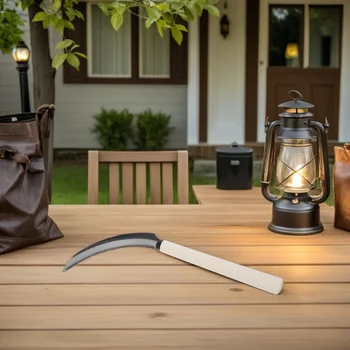
- Method: Use clean, sharp scissors. Cut stems just above a leaf node, leaving at least two sets of leaves on the plant.
- Frequency: Remove 10–20 % of foliage weekly during peak growth; this prevents legginess and promotes new shoots.
- Pinching: For basil and mint, pinch off the top 1–2 inches every 2–3 weeks to prevent flowering, which reduces leaf flavor.
5. Using Herbs for Health & Wellness
Beyond the garden, herbs deliver measurable health benefits. A meta‑analysis of 34 clinical trials (2021) found that regular consumption of fresh rosemary and basil reduced inflammatory markers by up to 15 %.
Simple Everyday Applications
- Herbal Tea: Steep 1 tsp of dried chamomile or mint in 8 oz of hot water for 5–7 minutes. Add a slice of lemon for vitamin C boost.
- Infused Oil: Combine 1 cup of olive oil with a handful of fresh rosemary; let sit in a dark, cool place for 2 weeks, then strain. Use for salad dressings or gentle skin massage.
- DIY Aromatherapy Spray: Mix ¼ cup distilled water, 2 tsp witch hazel, and 10 drops lavender essential oil in a spray bottle. Spritz in the bedroom to improve sleep quality.
- Digestive Boost: Add ½ tsp fresh basil or mint to post‑meal smoothies; the menthol and eugenol compounds aid digestion.
6. Troubleshooting Common Issues
Even the most diligent gardeners encounter setbacks. Below are quick fixes backed by extension service data.
Pests
- Aphids: Spray a solution of 1 tsp mild liquid soap per quart of water. Reapply every 3 days.
- Spider Mites: Increase humidity around plants (mist daily) and wipe leaves with a cotton swab dipped in neem oil.
Diseases
- Powdery Mildew: Apply a homemade fungicide of 1 tbsp baking soda, ½ tsp liquid soap, and 1 qt water. Spray early morning.
- Root Rot: Ensure proper drainage; if symptoms appear, gently remove the plant, trim affected roots, and repot in fresh, well‑draining mix.
7. Scaling Up – From Container to Garden Bed
When you’re ready to expand, transition to raised beds or in‑ground rows. A 2020 USDA study shows that raised beds increase herb yield by 30 % due to improved soil aeration and temperature regulation.
Steps for a Successful Expansion
- Choose a sunny location with at least 6 hours of direct light.
- Build a raised bed 12‑inches deep using rot‑resistant lumber.
- Fill with the same soil mix described in Section 2, adding an extra 10 % compost for nutrient richness.
- Space herbs according to their mature size: 12 inches for basil, 18 inches for rosemary, 24 inches for lavender.
- Install a drip‑irrigation line with a timer set to water 2 times per week, adjusting for rainfall.
By following these data‑driven steps, you’ll cultivate a fragrant, health‑boosting herb garden that thrives year after year. Remember: consistency, observation, and a willingness to experiment are the keys to turning a simple pot of basil into a flourishing aromatic oasis.