
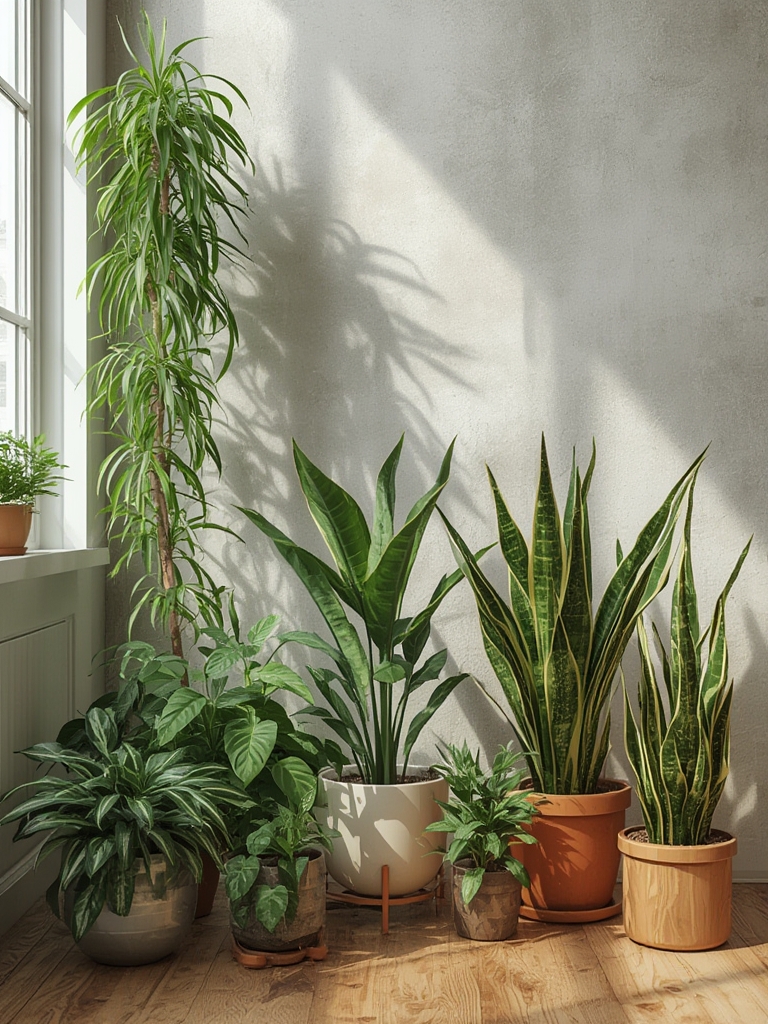
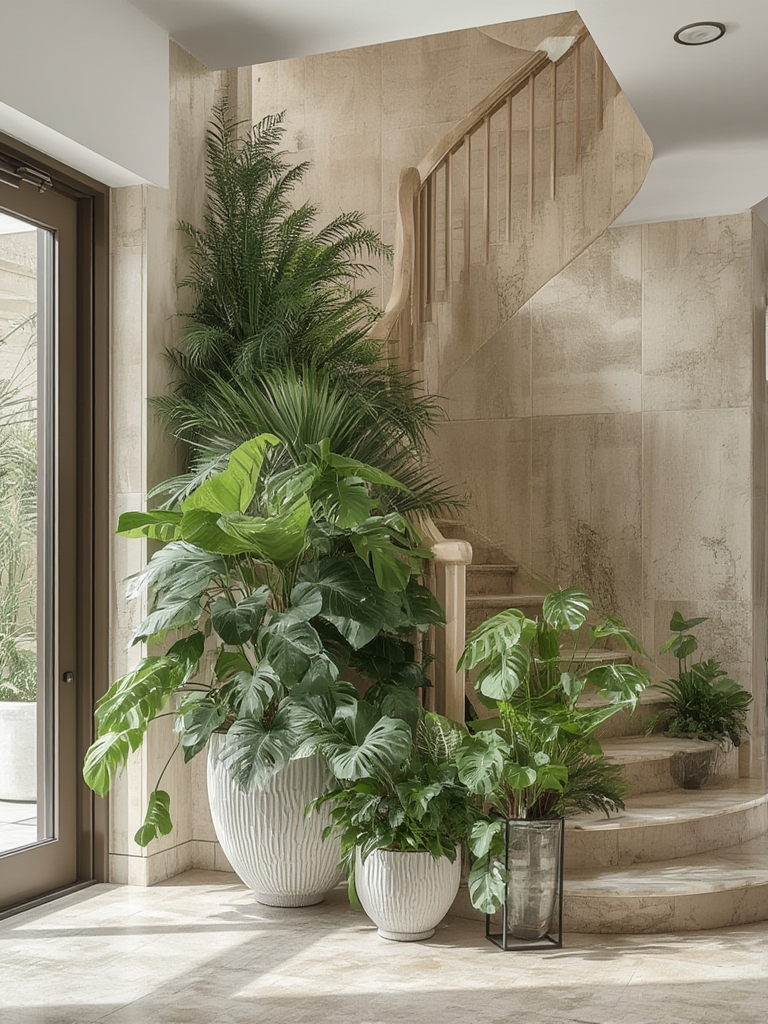
Indoor plants are more than just décor; they improve air quality, boost mood, and can even lower indoor humidity levels. Recent studies show that a single mature spider plant can remove up to 90 µg of formaldehyde per hour, while a collection of three to five well‑chosen species can reduce overall VOC concentrations by 15‑30 % in a typical living room. The key to reaping these benefits lies in a data‑driven, sustainable care routine that balances light, water, nutrients, and eco‑friendly practices. Below is a step‑by‑step guide that blends scientific insights with practical, low‑impact techniques, ensuring your indoor garden thrives while you minimize waste.
1. Choose the Right Plant for Your Space
Assess Light Conditions with Simple Measurements
- Use a smartphone light meter app or a basic lux meter. Low light is < 100 lux, medium 100‑500 lux, and bright indirect 500‑1,000 lux.
- Match species to these zones: ZZ plant (low), Philodendron (medium), Fiddle‑leaf fig (bright indirect).
Consider Size, Growth Rate, and Air‑Purifying Data
- For apartments ≤ 50 sq ft, select compact growers like Snake plant (max 2 ft) or Pothos (trailing vines).
- Check NASA’s Clean Air Study for top purifiers: Peace lily, Spider plant, Aloe vera.
2. Prepare Sustainable Growing Media
DIY Organic Potting Mix
Combine 40 % coconut coir (renewable, retains moisture), 30 % perlite (improves drainage), and 30 % composted leaf mold (provides slow‑release nutrients). This mix reduces peat use by up to 70 % and improves soil structure.
Incorporate Mycorrhizal Fungi
Sprinkle a teaspoon of commercial mycorrhizal inoculant into the potting mix before planting. Research shows a 20‑30 % increase in nutrient uptake and drought tolerance for most houseplants.
3. Water Wisely Using Data‑Driven Scheduling
Measure Soil Moisture Accurately
- Insert a cheap moisture meter 2 inches deep. Aim for a reading of 30‑45 % for most tropical indoor plants.
- If the meter reads > 55 %, hold off watering; < 20 % indicates the plant is thirsty.
Adopt the “Water‑Once‑a‑Week” Rule with Adjustments
Based on average indoor temperatures (68‑75 °F) and humidity (40‑55 %), most plants need 250‑350 ml of water per week. Adjust by 10 % for each degree above 75 °F or for low humidity environments.
Eco‑Friendly Watering Technique
Collect rainwater in a small barrel or reuse kitchen‑scrub water (cooled, unscented). This cuts tap water use by up to 30 % and adds trace minerals.
4. Feed with Organic Nutrients
Homemade Compost Tea
Steep 1 cup of well‑aged compost in 1 gallon of dechlorinated water for 24 hours. Dilute 1:5 before applying. This provides nitrogen, phosphorus, and potassium without synthetic salts.
Feeding Schedule
- Spring‑Summer (active growth): feed every 4 weeks.
- Fall‑Winter (dormant phase): feed every 8‑10 weeks or skip entirely.
5. Prune and Repot for Longevity
Pruning Guidelines
- Remove yellow or brown leaves promptly to prevent fungal spread.
- Trim leggy stems back to a node to encourage bushier growth; a 1‑inch cut stimulates new shoots within 2‑3 weeks.
When and How to Repot
Track root growth by gently lifting the plant every 12‑18 months. If roots circle the pot, move to a container 2‑3 inches larger. Use the same sustainable mix, and add a layer of crushed eggshells for calcium.

6. Manage Pests with Eco‑Friendly Controls
Identify Common Indoor Pests
- Spider mites – look for fine webbing and stippled leaves.
- Mealybugs – white cottony clusters at leaf nodes.
- Scale insects – hard bumps on stems.
Organic Treatment Options
- Neem oil spray (1 % solution) applied every 7 days until pests disappear.
- Rubbing alcohol (70 %) on a cotton swab for isolated mealybugs.
- Introduce beneficial insects like hypoaspis mites in larger indoor gardens.
7. Incorporate Composting and Waste Reduction
Kitchen Scraps as Plant Food
Blend vegetable peels, coffee grounds, and tea bags into a fine slurry. Apply a thin layer (≈ 1 mm) to the soil surface monthly; this recycles nutrients and reduces household waste by up to 15 %.
Closed‑Loop Water System
Place a tray beneath the pot to catch runoff. After 24 hours, reuse the water for misting or watering other plants, conserving up to 0.5 L per pot per week.
8. Track Progress with Simple Metrics
Monthly Check‑In Sheet
| Metric | Target | Result |
|---|---|---|
| Leaf color (scale 1‑5) | 4‑5 | |
| Soil moisture % | 30‑45 % | |
| Pest presence | None | |
| Growth (inches) | ≥ 1 in/month |
Recording these numbers helps you spot trends, adjust watering schedules, and prove the environmental impact of your indoor garden.
9. Celebrate Sustainable Success
By following these data‑backed steps, you’ll enjoy healthier indoor plants, cleaner air, and a reduced ecological footprint. Remember that each small action—using coconut coir instead of peat, reusing rainwater, composting kitchen scraps—adds up to a greener home. Share your results on social media with the hashtag #EcoIndoorGarden to inspire others and build a community of sustainable plant lovers.

