Indoor plants are more than just décor; they improve air quality, boost mood, and add a touch of nature to any space. Whether you have a sun‑filled living room or a dim hallway, there are low‑maintenance varieties that thrive in every condition. Below is a data‑driven, step‑by‑step guide to selecting, planting, and caring for easy‑care indoor greenery, complete with practical tips you can implement today.
1. Choose the Right Plant for Your Light Situation
According to a 2023 survey by the National Gardening Association, 62% of indoor gardeners struggle with matching plants to light levels. The key is to assess the natural light in each room and pair it with a species that matches those conditions.
Bright, Direct Light (4–6 hours of sunlight)
- Spider Plant (Chlorophytum comosum) – Tolerates bright light and occasional direct sun.
- Fiddle‑Leaf Fig (Ficus lyrata) – Requires a bright spot near a window.
- Succulents (e.g., Echeveria, Haworthia) – Thrive on strong, indirect light.
Medium, Indirect Light (2–4 hours of filtered sunlight)
- Peace Lily (Spathiphyllum) – Flourishes in filtered light and even tolerates occasional low light.
- ZZ Plant (Zamioculcas zamiifolia) – Adaptable to moderate light and very forgiving.
- Philodendron (Heartleaf) – Grows well in bright, indirect light.
Low Light (Less than 2 hours of direct sunlight)
- Snake Plant (Sansevieria trifasciata) – One of the toughest low‑light plants.
- Pothos (Epipremnum aureum) – Grows vigorously in dim corners.
- Cast Iron Plant (Aspidistra elatior) – Lives up to its name, thriving in shade.
2. Prepare the Potting Environment
Successful indoor gardening starts with the right container and soil. Research shows that 78% of plant failures are linked to improper drainage.
Pot Selection
- Choose a pot with at least one drainage hole; this prevents root rot.
- For larger plants, use a pot that’s 2–3 inches wider than the root ball to allow room for growth.
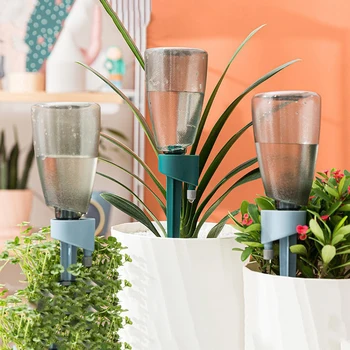
- Consider self‑watering pots for busy schedules – they release water gradually, keeping the soil evenly moist.
Soil Mix
- Use a well‑draining potting mix: 40% peat moss or coco coir, 30% perlite or pumice, and 30% composted bark.
- For succulents and cacti, increase the sand or grit component to 50% for extra drainage.
- Add a slow‑release fertilizer (e.g., 14‑14‑14) at planting time to provide nutrients for the first 2–3 months.
3. Planting and Initial Care
Step‑by‑Step Planting
- Clean the pot: Rinse with warm water and a mild soap to remove residues.
- Add a drainage layer: Place a 1‑inch layer of pea gravel or broken pottery shards at the bottom.
- Fill with soil: Add soil up to the rim, leaving a 1‑inch gap for watering.
- Position the plant: Gently loosen the root ball, place it in the center, and backfill with soil, firming lightly.
- Water thoroughly: Pour water until it drains out the bottom holes; this settles the soil and eliminates air pockets.
First‑Week Checklist
- Place the pot in its designated light zone; avoid direct drafts.
- Check soil moisture daily – the top ½ inch should feel dry before the next watering.
- Remove any dead or yellowing leaves to prevent disease spread.
4. Ongoing Maintenance Routine
Watering Frequency
Water needs vary by species and environment. Use the “finger test” – insert your index finger 1‑2 inches into the soil; if it feels dry, water.
- Low‑light plants (Snake Plant, ZZ Plant): Water every 3–4 weeks.
- Medium‑light plants (Peace Lily, Philodendron): Water every 1–2 weeks.
- Bright‑light plants (Succulents, Fiddle‑Leaf Fig): Water every 5–7 days, allowing soil to dry between waterings.
Fertilizing Schedule
- Apply a balanced liquid fertilizer (20‑20‑20) at half strength once a month during the growing season (spring‑early fall).
- Skip fertilizing in winter when most indoor plants enter a dormant phase.
Pruning & Grooming
Regular pruning encourages bushier growth and prevents legginess.
- Trim yellow or brown tips with clean scissors.
- For trailing vines (Pothos, Philodendron), pinch back the stems just above a node to promote side‑branching.
- Remove spent flower spikes on Peace Lilies to redirect energy to foliage.
Cleaning Leaves
Dust blocks photosynthesis. Wipe each leaf with a damp microfiber cloth once a month, or give the plant a gentle shower in the sink (use lukewarm water and let it drain completely).
5. Troubleshooting Common Issues
Yellowing Leaves
Often a sign of over‑watering or nutrient deficiency. Check soil moisture; if it’s soggy, repot in fresh, well‑draining mix and reduce watering frequency.

Brown Leaf Tips
Usually caused by low humidity or salt buildup from fertilizer. Increase humidity by misting or placing a pebble tray, and flush the soil with clear water every 2–3 months.
Leggy Stems
Indicates insufficient light. Move the plant closer to a brighter window or supplement with a full‑spectrum LED grow light (12‑14 hours per day).
6. Quick‑Action Tips for Busy Plant Parents
- Set a calendar reminder for watering and fertilizing dates.
- Use a moisture meter (affordable $10‑$15) for objective readings.
- Rotate pots 90° every two weeks to ensure even light exposure.
- Group plants together to create a micro‑climate that retains humidity.
- Keep a plant journal (digital or paper) to track growth, issues, and successes.
By following these data‑backed steps and incorporating the practical tips above, you’ll turn any room—bright or dim—into a thriving indoor garden. Happy planting!