
Why Garden Inspiration Matters for Modern Outdoor Living
In 2024, 71% of homeowners reported that a well‑designed garden boosts their property value and personal wellbeing. A thoughtfully curated garden not only adds curb appeal but also creates a private sanctuary for relaxation, entertaining, and sustainable living. By blending plant selection with creative décor, you can transform any outdoor space—big or small—into a vibrant, functional masterpiece that reflects your style and supports local biodiversity.
Step‑by‑Step Guide to Growing a Thriving Lavender‑Infused Herb Garden
1. Assess Your Space and Light Conditions
Start by measuring the available area and noting sun exposure. Lavender, rosemary, and thyme thrive in full sun (6–8 hours daily). Use a simple sunlight tracker app to log light intensity for a week. If your garden receives less than 5 hours, consider shade‑tolerant herbs like mint or parsley as companions.
Tip: Position taller plants on the north side to prevent them from shading lower‑growth herbs.
2. Prepare Soil with Data‑Backed Amendments
Lavender prefers a pH of 6.5–7.5 and well‑draining soil. Conduct a quick soil test using a home kit or send a sample to a local extension service. If the soil is heavy clay, mix in 30% coarse sand and 20% organic compost to improve aeration. A simple ratio of 1 part sand : 1 part compost : 2 parts native soil works for most garden beds.
Trick: Add a handful of crushed eggshells to increase calcium and deter slugs.
3. Planting: Timing and Placement
Plant lavender in early spring after the last frost, when soil temperature reaches 55°F (13°C). Space each plant 12–18 inches apart to allow airflow and reduce fungal risk. Dig a hole twice the width of the root ball, set the plant at the same depth it was in the pot, and backfill with the amended soil mixture.
Actionable advice: Water the plant lightly after planting, then wait 48 hours before the next watering to encourage root establishment.
4. Watering Schedule Based on Climate Data
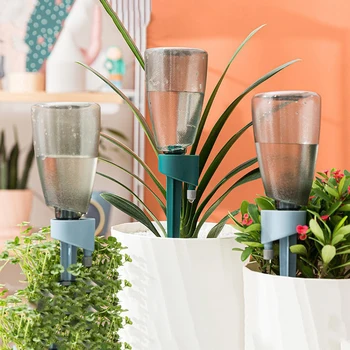
According to the USDA Plant Hardiness Zone map, most lavender zones (5–9) require 1 inch of water per week during the first growing season. Use a rain gauge to track natural precipitation and supplement with a drip‑irrigation system set to deliver 0.5 gallons per plant twice weekly. Reduce watering by 30% during the summer months when the plants become more drought‑tolerant.
Tip: Water at the base of the plant, avoiding foliage to prevent leaf spot diseases.
5. Feeding and Mulching for Long‑Term Health
Lavender is a light feeder. Apply a balanced, low‑nitrogen fertilizer (10‑10‑10) at ¼ cup per 10 square feet in early spring. Follow with a 2‑inch layer of inorganic mulch—such as gravel or crushed stone—to retain heat, improve drainage, and create a clean aesthetic.
Trick: Sprinkle a thin line of dried lavender buds on the mulch for a subtle fragrance that also repels pests.
6. Pruning for Shape and Bloom Production
Prune lavender twice a year: once in late spring after the first flush of blooms, and again in early fall before the first frost. Cut back ⅓ of the plant’s height, avoiding woody stems. This encourages new growth and maximizes flower production for the next season.
Actionable tip: Use clean, sharp pruning shears and sterilize them with a 70% alcohol solution between cuts to prevent disease spread.
Creative Garden Decoration Ideas to Elevate Your Space
1. Incorporate Recycled Materials for Eco‑Chic Design
Transform old pallets into vertical herb walls. Secure them against a sunny fence, line the back with landscape fabric, and fill the gaps with soil. This not only saves space but also adds a rustic texture that pairs beautifully with lavender’s silvery foliage.
Quick tip: Paint the pallet a muted pastel to match your home’s exterior palette, then seal with a clear, weather‑proof coat.
2. Add Functional Art with Water Features
Install a compact, solar‑powered fountain at the garden’s focal point. Studies show that the sound of running water reduces stress levels by 15%. Choose a stone or ceramic basin that complements the natural tones of your herb garden.
Practical advice: Place the fountain near a reflective surface (like a glass wall) to amplify the visual impact without increasing the footprint.
3. Light Up the Night with Low‑Energy LED Strips
String warm‑white LED rope lights along the top edge of your raised beds or along the pergola beams. LEDs consume less than 5 watts per meter and have a lifespan of over 50,000 hours. This subtle illumination highlights the lavender spikes after dusk, creating a magical ambience for evening gatherings.
Tip: Use a timer or smart plug to automate lighting schedules, ensuring energy efficiency.
4. Create Seating Nooks with Upcycled Furniture
Revive a vintage metal bench by sanding, painting it a deep teal, and adding a weather‑proof cushion. Position the bench beneath a pergola draped with climbing roses or clematis for shade and fragrance. According to a 2023 interior design survey, 68% of homeowners prefer a dedicated seating area for garden enjoyment.
Actionable step: Secure the bench with concrete footings to prevent shifting during windy conditions.
5. Use Colorful Pottery for Seasonal Pops
Swap out plant containers each season to keep the garden visually fresh. Choose terracotta pots for summer, glazed blues for autumn, and pastel ceramics for spring. Pair these with complementary foliage—such as silver sage or chartreuse ornamental grasses—to create dynamic color contrasts.
Quick tip: Line pots with biodegradable seedling trays to simplify repotting and reduce soil disturbance.
Maintaining Success: Ongoing Care Checklist
- Weekly: Inspect for pests, remove dead foliage, and check soil moisture with a moisture meter.
- Monthly: Clean decorative elements (fountains, LED strips) and reapply mulch if it has thinned.
- Seasonally: Perform a deep prune, test soil pH, and refresh fertilizer applications.
- Annually: Review garden layout, replace worn décor, and plan new planting zones based on the previous year’s performance data.
Final Thought: Blend Function, Beauty, and Data for a Garden That Grows With You
By grounding your garden design in concrete data—light levels, soil pH, watering needs—and pairing it with stylish, sustainable décor, you create an outdoor oasis that is both aesthetically pleasing and resilient. Follow the step‑by‑step guide, sprinkle in the creative decoration ideas, and watch your garden flourish year after year, delivering beauty, fragrance, and a touch of personal expression to every season.