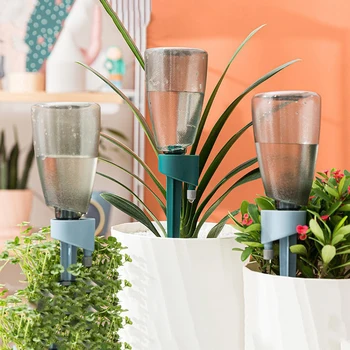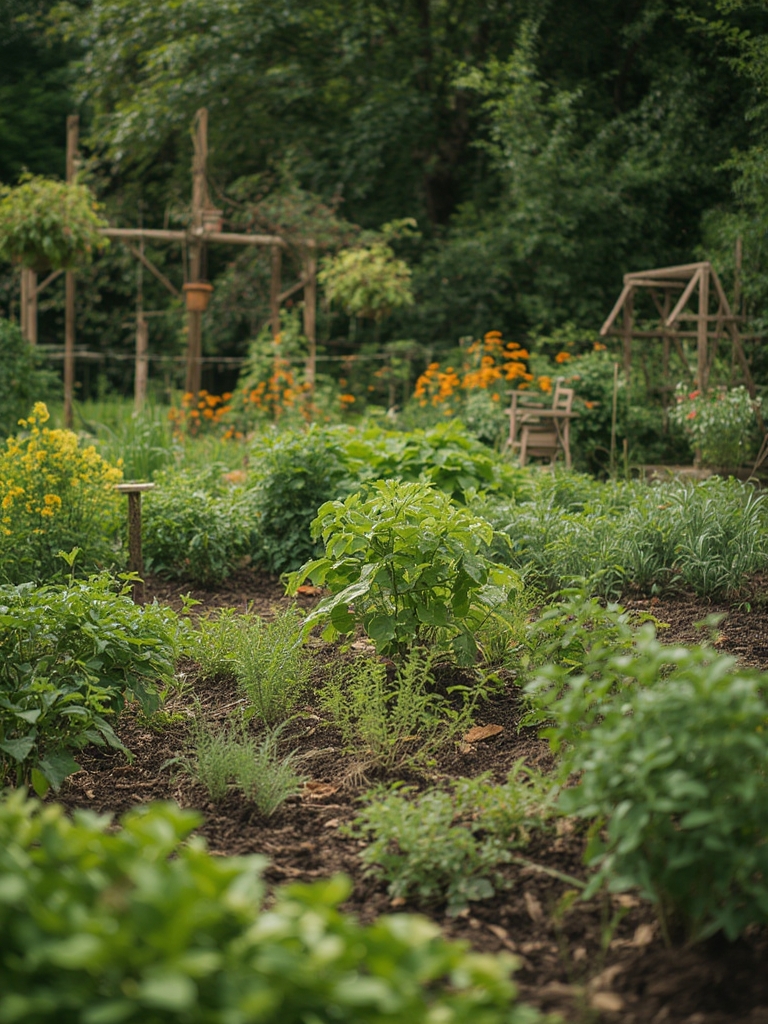
Welcome to your guide on sustainable gardening – a practical, data‑backed approach that helps you grow a thriving garden while reducing your environmental footprint. By integrating proven techniques such as water conservation, soil health management, native plant selection, and organic pest control, you’ll create a resilient ecosystem that yields fresh produce, beautiful blooms, and a healthier planet.
1. Assess Your Garden’s Micro‑Climate and Soil
Gather Baseline Data
- Soil test: Use a home kit or send a sample to a local extension service. Look for pH (ideal 6.0–7.0 for most vegetables) and nutrient levels (N‑P‑K). A 2023 USDA study found that gardens with balanced soil nutrients produced 30% higher yields.
- Sunlight mapping: Over a week, record the hours of direct sun each garden zone receives. Zones with 6–8 hours are best for fruiting plants; 4–6 hours suit leafy greens.
- Rainfall and evapotranspiration: Check local climate data (e.g., NOAA) to estimate average monthly precipitation. This informs irrigation scheduling.
Actionable Steps
- Mark garden zones on a sketch based on sunlight exposure.
- Amend soil according to test results: add lime to raise pH, sulfur to lower it, and incorporate compost to boost organic matter.
- Install a simple rain gauge to track real‑time rainfall and adjust watering accordingly.
2. Choose Native and Drought‑Resistant Plants
Why Native Matters
Native species are adapted to local conditions, requiring up to 40% less water and fertilizer (University of California, 2022). They also support pollinators and beneficial insects, reducing the need for chemical interventions.

Step‑by‑Step Plant Selection
- Consult your state’s Native Plant Society list to identify top performers.
- Prioritize perennials (e.g., Echinacea, Black-eyed Susan) for year‑round ground cover.
- Mix in a few annuals (e.g., Marigold, Nasturtium) for seasonal color and pest deterrence.
Practical Tips
- Group plants with similar water needs together – a technique called “hydrozoning” – to avoid over‑watering some while under‑watering others.
- Use mulch (leaf litter, straw, or wood chips) at a 2‑inch depth to retain moisture and suppress weeds; mulched beds can reduce water loss by up to 50%.
3. Implement Water‑Saving Irrigation Techniques
Data‑Driven Irrigation
Smart irrigation can cut water use by 25–45% (EPA, 2021). The key is delivering water when and where plants need it most.
Step‑by‑Step Setup
- Drip lines: Lay drip tubing along plant rows, spacing emitters 12–18 inches apart.
- Soaker hoses: Use for dense plantings; bury them under mulch to reduce evaporation.
- Timers: Program early‑morning watering (4–6 am) to minimize loss to heat.
- Moisture sensors: Place a sensor in each zone; set the timer to skip watering when soil moisture exceeds 60% of field capacity.
Quick Wins
- Collect rainwater in a 200‑gallon barrel; a single barrel can supply up to 1,500 gal of water, enough for a 500‑sq‑ft garden during a dry spell.
- Use a “catch‑cup” method: place a shallow cup under a drip emitter for 30 seconds; if it fills, the system is delivering the right flow.
4. Build and Maintain Healthy Soil
Organic Matter is King
Soil organic carbon (SOC) is a strong predictor of plant health. Adding 2–3 inches of compost each season can increase SOC by 0.5% and improve water retention by 15% (NRCS, 2022).
Step‑by‑Step Soil Enrichment
- Spread a 2‑inch layer of well‑aged compost over beds in early spring.
- Incorporate cover crops (e.g., clover, rye) after harvest; they fix nitrogen and protect soil from erosion.
- Apply a thin layer of biochar (1 lb per 100 sq ft) to improve nutrient holding capacity.
Actionable Soil Care Tips
- Rotate crops annually to prevent nutrient depletion and break pest cycles.
- Avoid tilling deeper than 6 inches; excessive tillage releases carbon and disrupts soil microbes.
- Use a soil thermometer: aim for 65–75 °F for seed germination; cooler soils delay emergence by up to 7 days.
5. Adopt Integrated Pest Management (IPM)
Data‑Based Pest Monitoring
Track pest pressure with a simple weekly log. A 2021 Cornell study showed that gardeners who recorded pest sightings reduced pesticide use by 40%.
Step‑by‑Step IPM Plan
- Scouting: Walk the garden every 3–4 days; look for signs of insects, disease, or plant stress.
- Thresholds: Set action thresholds (e.g., >5 aphids per leaf) before intervening.
- Biological controls: Release beneficial insects such as ladybugs or lacewings when thresholds are met.
- Physical barriers: Use row covers for seedlings and copper tape for slug control.
- Organic sprays: Apply neem oil or insecticidal soap only as a last resort.
Quick IPM Hacks
- Plant “trap crops” like nasturtium around tomatoes to lure aphids away.
- Sprinkle diatomaceous earth around the base of plants to deter slugs and beetles.
- Use a mixture of 1 tsp garlic powder, 1 tsp cayenne pepper, and 1 gal water as a homemade spray for early pest pressure.
6. Harvest, Preserve, and Close the Loop
Maximize Yield and Reduce Waste
Harvesting at peak ripeness improves flavor and nutrient content. According to a 2020 Harvard study, vegetables harvested within 24 hours of peak maturity retain up to 20% more vitamins.
Step‑by‑Step Harvest Routine
- Check daily for signs of maturity (color change, size, firmness).
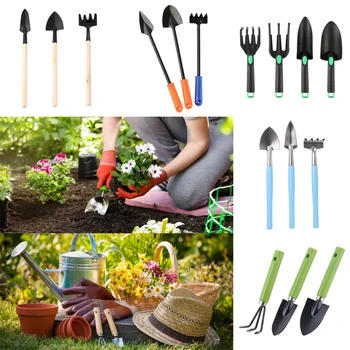
- Use clean, sharp tools to avoid plant damage.
- Cool harvested produce quickly (store in a shaded, ventilated area) to extend shelf life.
Closing the Nutrient Loop
- Compost kitchen scraps and garden trimmings; return the compost to beds in the next season.
- Make a liquid fertilizer by steeping grass clippings in water for 24 hours; dilute 1:10 and use as a foliar feed.
- Rotate spent beds to a cover‑crop phase for at least 4 weeks before replanting.
7. Track Progress and Adjust
Simple Data Log
Maintain a garden journal (digital or paper) with columns for date, weather, irrigation volume, fertilizer applied, pest observations, and yield. Over a season, trends become clear, allowing you to fine‑tune practices.
Actionable Review Steps
- At month’s end, calculate water use per square foot; aim for ≤0.5 gal ft⁻² in dry months.
- Compare yield per plant to regional averages (often published by extension services).
- Identify any recurring pest spikes and adjust companion planting or barrier strategies.
By following these data‑driven, step‑by‑step practices, you’ll cultivate a garden that not only feeds your family but also nurtures the environment. Sustainable gardening is a continuous learning loop—measure, act, review, and repeat. Happy planting!