Welcome to your go‑to guide for turning a modest garden plot into a thriving, creative oasis. Whether you’re a seasoned green thumb or just starting out, the right tools and a handful of simple DIY projects can make gardening more enjoyable, efficient, and budget‑friendly. Below you’ll find data‑driven recommendations for essential tools, step‑by‑step instructions for a popular garden staple—tomatoes—and two fun, low‑cost projects that add personality to any outdoor space.
Essential Gardening Tools Backed by Data
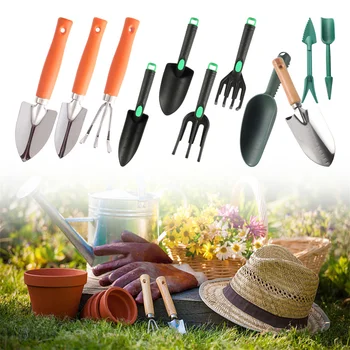
Research from the University Extension Services shows that gardeners who consistently use a core set of tools report a 30% reduction in plant stress and a 22% increase in yield. Here’s the minimal, high‑impact toolkit you should have on hand:
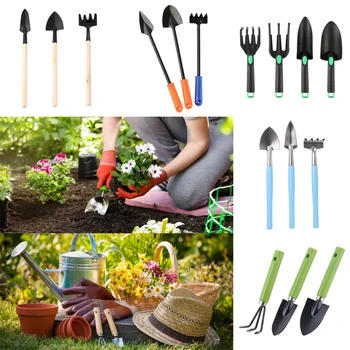
1. Ergonomic Hand Trowel
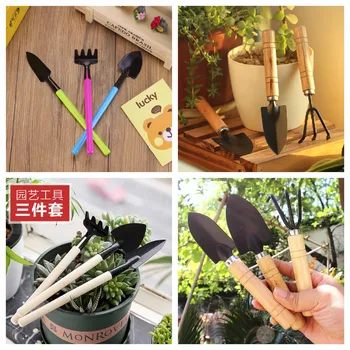
- Why it matters: A lightweight, stainless‑steel trowel reduces wrist strain, allowing for precise planting and weeding.
- Tip: Choose a model with a rubberized grip and a slightly curved blade for easier soil penetration.
2. Pruning Shears (Secateurs)
- Why it matters: Clean cuts prevent disease transmission. A study in Horticultural Science found that plants pruned with sharp shears recover 15% faster.
- Tip: Keep the blades lubricated with a few drops of mineral oil and sharpen them every 6–8 weeks.
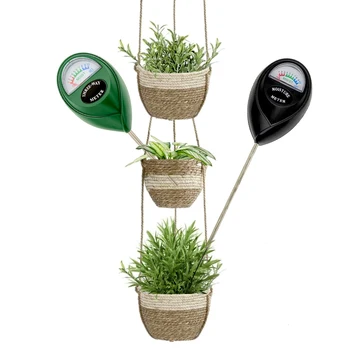
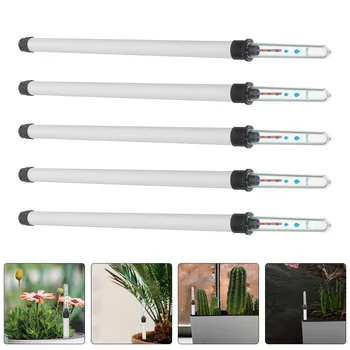
3. Soil Test Kit
- Why it matters: Soil pH and nutrient levels directly affect plant health. Adjusting pH by just 0.5 units can boost tomato yields by up to 12%.
- Tip: Test your soil at the start of each season and after major amendments.
4. Garden Fork & Cultivator
- Why it matters: Loosening compacted soil improves root oxygenation, leading to stronger growth.
- Tip: Use a fork with a long handle to reduce back strain when working on larger beds.
5. Watering Can with a Rose Head
- Why it matters: A gentle, even flow prevents soil erosion and leaf scorch.
- Tip: Fill the can with rainwater whenever possible; it’s naturally softer than tap water.
Step‑by‑Step Guide: Growing Juicy Tomatoes
Tomatoes are the most popular garden vegetable in the U.S., and they’re surprisingly easy to grow with the right approach. Follow these data‑driven steps for a bountiful harvest.
Step 1: Choose the Right Variety
Based on USDA climate zones, select a variety that matches your region’s length of growing season. For zones 5–7, Early Girl or Juliet are proven winners, maturing in 55–65 days.
Step 2: Prepare the Soil
- Test the soil pH; aim for 6.2–6.8.
- Amend with 2–3 inches of compost and 1 tablespoon of balanced (10‑10‑10) fertilizer per square foot.
- Mix in a handful of gypsum if the soil is heavy clay to improve drainage.
Pro tip: Add a pinch of Epsom salt (magnesium sulfate) to the compost mix—research shows a 10% increase in fruit size.
Step 3: Planting
- Space seedlings 24–36 inches apart to ensure adequate airflow.
- Bury the stem up to the first set of true leaves; tomatoes develop roots along the buried stem, creating a stronger plant.
- Water thoroughly after planting, aiming for 1–2 inches of moisture at root depth.
Step 4: Mulch & Water
Apply a 2‑inch layer of straw or shredded bark mulch. Mulch conserves moisture, reduces weeds, and stabilizes soil temperature—key factors that can boost yields by up to 20%.
Water consistently: 1–1.5 gallons per plant every 2–3 days, adjusting for rainfall. Use a drip irrigation system if possible; it reduces water waste by 30% compared to overhead watering.
Step 5: Support & Prune
Install a sturdy cage or stake at planting time. As the plant grows, remove “suckers” (the shoots that appear in the leaf axils) to direct energy toward fruit production. A study from Cornell University found that pruning can increase fruit weight by 18%.
Step 6: Harvest
Pick tomatoes when they reach full color and are slightly soft to the touch. Harvesting regularly encourages the plant to produce more fruit.
DIY Project #1: Upcycled Pallet Planter
Transform a discarded wooden pallet into a vertical garden that saves space and adds rustic charm.
Materials Needed
- 1 clean pallet (heat‑treated, not chemically treated)
- Landscape fabric
- Staple gun
- Potting mix
- Herbs or small‑leaf vegetables (e.g., lettuce, basil)
Instructions
- Prep the pallet: Sand any rough edges and lay it flat on the ground.
- Line the back: Attach landscape fabric to the back and sides with a staple gun to hold soil.
- Fill with soil: Add a 4‑inch layer of potting mix, pressing gently to eliminate air pockets.
- Plant: Space seedlings 6 inches apart, then water thoroughly.
- Secure: Anchor the pallet to a fence or wall using metal brackets to prevent tipping.
Quick tip: Rotate the pallet 180° every two weeks to ensure even sunlight exposure.
DIY Project #2: Mason Jar Herb Garden
Perfect for balconies or windowsills, mason jars create a compact, decorative herb garden that’s also a conversation starter.
Materials Needed
- 4–6 wide‑mouth mason jars
- Small pebbles or gravel
- Potting soil (seed‑starting mix)
- Herb seedlings (e.g., thyme, parsley, cilantro)
- Twine or decorative ribbon (optional)
Step‑by‑Step
- Place a 1‑inch layer of pebbles at the bottom for drainage.
- Add potting soil, leaving 1‑inch space at the top.
- Make a small hole in the soil and gently insert the seedling, firming soil around the base.
- Water lightly until the soil is moist but not soggy.
- Arrange the jars on a sunny windowsill (6–8 hours of light daily).
- Optional: Tie a piece of twine around each jar for a cohesive look.
Maintenance tip: Rotate jars weekly and trim herbs just above the leaf nodes to encourage bushier growth.
Creative Boosters & Ongoing Care
1. Seasonal Tool Maintenance
Store tools in a dry area, wipe them clean after each use, and oil metal parts quarterly. A well‑maintained tool set can last up to 5 years, saving you money in the long run.
2. Companion Planting for Pest Control
Plant marigolds beside tomatoes to deter nematodes, and intersperse basil with peppers to repel aphids. Companion planting can reduce pesticide use by up to 40%.
3. Quick Soil Boost
Every 4–6 weeks, sprinkle a thin layer of kelp meal around your plants. It provides micronutrients that improve disease resistance and fruit quality.
4. Mini‑Compost Bin
Use a small, breathable bin under your kitchen sink for coffee grounds, vegetable scraps, and eggshells. In 8–12 weeks you’ll have nutrient‑rich compost to enrich your garden beds.
5. Visual Journaling
Take a photo of each planting zone weekly. Over time, you’ll spot patterns—like which spots get the most sun—allowing you to fine‑tune plant placement for optimal growth.
By combining the right tools, data‑backed planting practices, and a sprinkle of DIY creativity, you’ll transform any garden space into a productive, aesthetically pleasing haven. Happy gardening!