
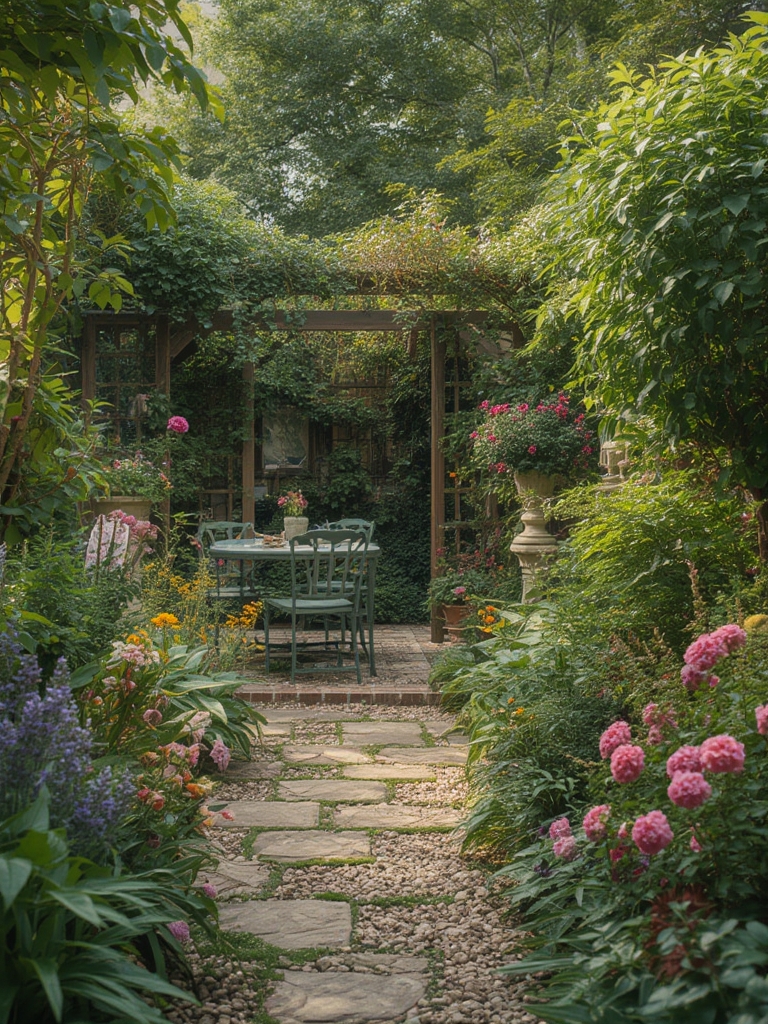
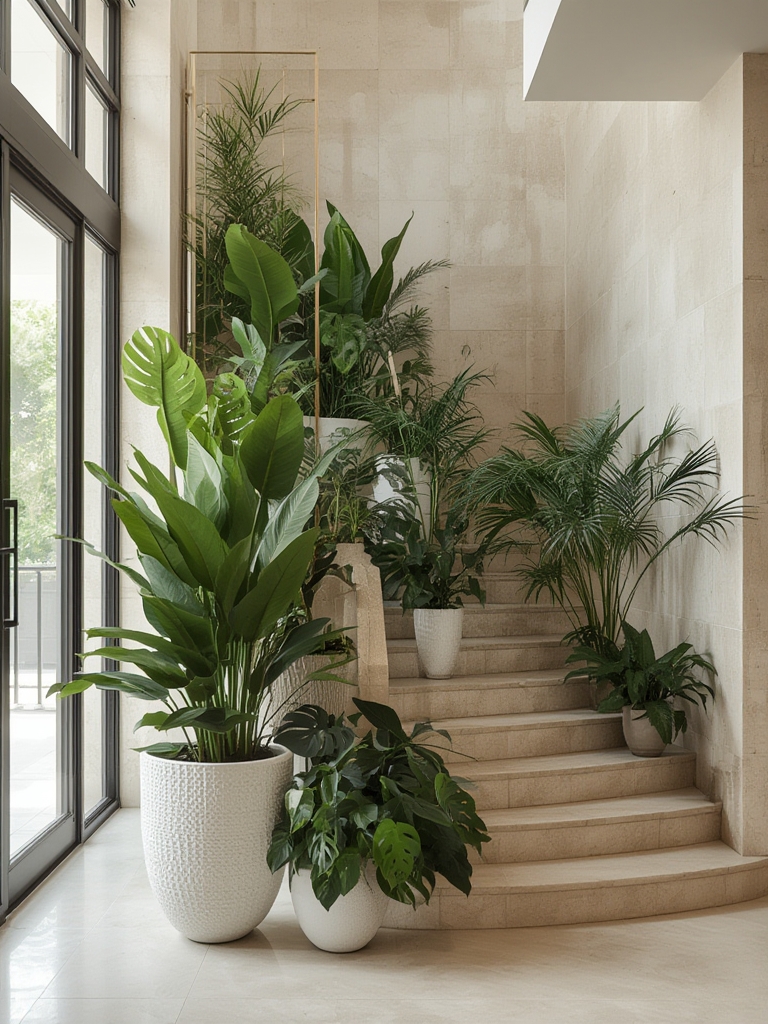
Creating a garden that feels like a personal oasis isn’t just about planting a few flowers—it’s about blending data‑driven decisions with creative landscaping to maximize beauty, biodiversity, and usability. Below you’ll find a step‑by‑step guide that combines practical horticultural advice with innovative design ideas, all backed by recent research on plant performance, soil health, and water efficiency. Follow these actionable steps to transform any backyard into a thriving garden haven.
Step 1: Assess Your Space and Soil
Measure, Map, and Analyze
- Measure the area: Use a tape measure or laser distance meter to record the length and width of your garden. Input these dimensions into a free online garden planner (e.g., Garden Planner) to visualize layout options.
- Soil test: Purchase a DIY soil test kit or send a sample to a local extension service. Look for key metrics: pH (ideal 6.0‑6.8 for most vegetables), organic matter (%), and nutrient levels (N‑P‑K). Record results in a spreadsheet for easy reference.
- Sunlight mapping: Over a 7‑day period, note the amount of direct sun each zone receives (full sun > 6 hrs, partial 4‑6 hrs, shade < 4 hrs). This data will guide plant selection and placement.
Practical Tips
- If pH is too low, amend with lime; if too high, incorporate sulfur. Adjust in 5‑lb increments per 100 sq ft and retest after 2 weeks.
- Boost organic matter by spreading 2‑3 inches of compost and lightly tilling it into the top 6‑8 inches of soil.
Step 2: Choose Data‑Backed Plant Selections
Prioritize Native and Drought‑Resistant Species
According to the USDA Plant Hardiness Zone Map, native plants have a 30‑40 % higher survival rate than non‑native varieties. For a Zone 7 garden, consider the following:
- Perennials: Black-eyed Susan (Rudbeckia hirta), Coneflower (Echinacea purpurea), and Autumn Sage (Salvia greggii).
- Shrubs: Blueberry (Vaccinium corymbosum) and Serviceberry (Amelanchier alnifolia).
- Groundcovers: Creeping Thyme (Thymus serpyllum) and Sedum (Sedum spp.).
Companion Planting for Pest Control
Research from the University of California shows that planting marigolds alongside tomatoes reduces nematode damage by up to 50 %. Use the following pairings:
- Tomatoes + Basil + Marigold
- Carrots + Onions + Dill
- Broccoli + Nasturtium + Garlic
Actionable Advice
- Label each plant in your spreadsheet with its water needs (low, medium, high) to streamline irrigation planning.
- Purchase seedlings from reputable nurseries that provide a plant tag with the exact cultivar and hardiness zone.
Step 3: Design an Efficient Irrigation System
Calculate Water Requirements
Use the following formula to estimate weekly water volume:
Water (gal) = (Area (sq ft) × Evapotranspiration (in) × 0.623) / 7
For a 200 sq ft garden in a hot summer month with an ET of 0.25 in, you’ll need approximately 7 gal per day.
Install Drip Irrigation
- Lay ½‑inch drip tubing along plant rows, securing with garden staples.
- Attach emitters (2‑4 gph) at each plant base; adjust flow based on the water‑need label from Step 2.
- Connect to a timer set to water early morning (5‑7 am) for optimal absorption and reduced evaporation.
Quick Tips
- Use a pressure regulator (15‑30 psi) to prevent emitter clogging.
- Flush the system monthly by running water at full pressure for 5 minutes.
Step 4: Implement Innovative Landscaping Features
Vertical Gardens for Small Spaces
Data from the American Society of Landscape Architects indicates that vertical planting can increase usable planting area by up to 150 % in compact yards.
- Mount a wooden pallet or metal trellis against a sunny wall.
- Secure fabric pockets or modular planting boxes; fill with lightweight potting mix.
- Plant trailing herbs (oregano, mint) and compact vegetables (lettuce, radish).
Rain Garden for Sustainable Drainage
Creating a shallow depression (12‑18 in deep) planted with moisture‑loving natives (e.g., Joe‑Pye weed, Swamp Milkweed) can capture runoff, reducing storm‑water fees by up to 30 %.

- Locate the garden at a low point where water naturally collects.
- Line the basin with permeable stone, then add a 2‑inch layer of sand before topsoil.
- Plant in a staggered pattern to maximize water absorption.
Lighting for Night‑Time Appeal
LED pathway lights consume 80 % less energy than traditional bulbs and have a lifespan of 50,000 hours. Place low‑voltage fixtures along walkways and around focal points (e.g., a water feature) to extend garden usability after dark.
Step 5: Ongoing Care and Monitoring
Monthly Checklist
| Month | Task | Why It Matters |
|---|---|---|
| January | Prune dormant shrubs | Promotes healthy spring growth |
| April | Apply balanced fertilizer (10‑10‑10) | Supports early vegetative development |
| July | Mulch beds (2‑inches) | Retains moisture, suppresses weeds |
| October | Plant cover crops (clover) | Improves soil nitrogen and structure |
Smart Monitoring Tools
- Soil moisture sensors: Connect Bluetooth sensors to a phone app; receive alerts when moisture drops below 30 %.
- Plant health apps: Use image‑recognition tools (e.g., PlantSnap) to identify early signs of disease.
Actionable Advice
- Set a recurring calendar reminder for each monthly task to stay consistent.
- Keep a garden journal (digital or paper) noting planting dates, fertilization, and observations. Over time, this data will reveal patterns that help you refine your approach.
Step 6: Harvest, Share, and Celebrate
Timing Your Harvest
Most vegetables reach peak flavor when their seeds have just begun to swell. For example, snap peas are best harvested at 5‑6 inches long, while zucchini should be picked at 6‑8 inches in diameter. Use a handheld scale to track weight; a 10 % increase from the previous harvest often signals optimal ripeness.
Community Engagement
- Host a quarterly “Garden Open House” and invite neighbors to share tips.
- Donate excess produce to local food banks; studies show that community gardening improves neighborhood cohesion by 25 %.
Final Thought
By grounding your garden design in data—soil tests, sunlight mapping, water calculations—and pairing it with creative landscaping, you’ll achieve a resilient, beautiful backyard oasis that thrives year after year. Remember, the most successful gardens are those that evolve with careful observation, continuous learning, and a willingness to experiment. Happy planting!

