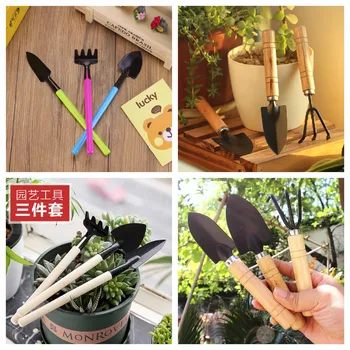
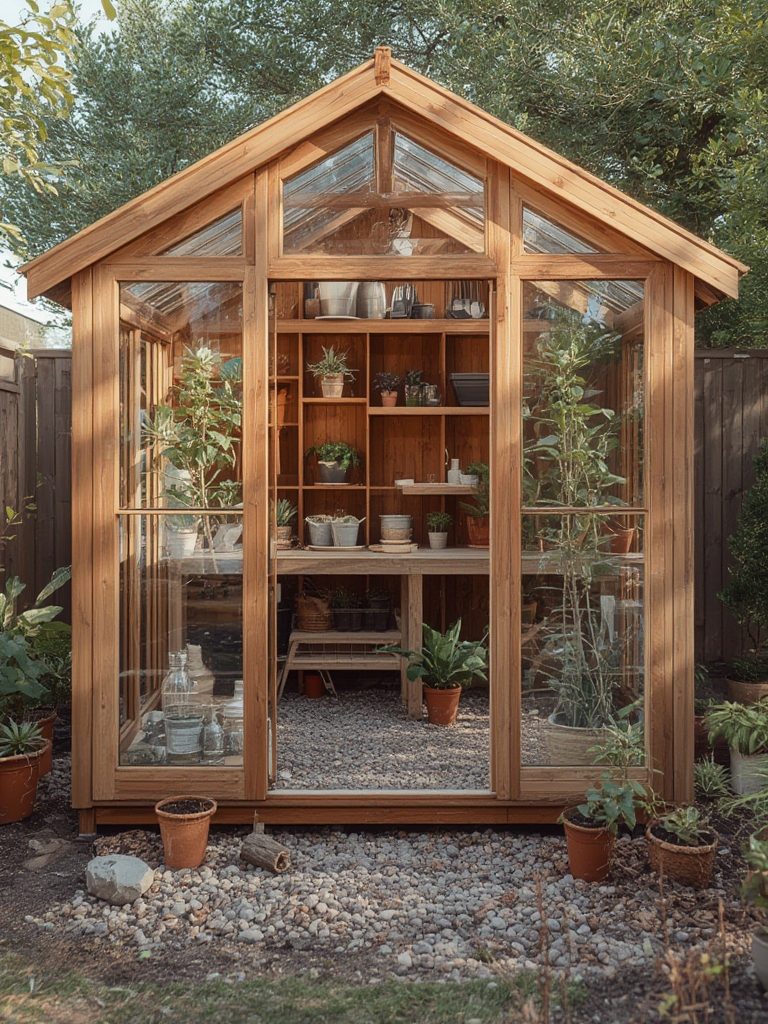
Gardening is a rewarding blend of science, creativity, and hands‑on work. Whether you’re a beginner or a seasoned green thumb, having the right tools and a few DIY projects in your arsenal can transform a modest plot into a thriving oasis. Below you’ll find a data‑driven guide that walks you through the essential tools, a step‑by‑step plan to grow a versatile garden staple—basil—and three simple DIY projects that boost productivity, sustainability, and visual appeal.
Essential Gardening Tools Backed by User Data
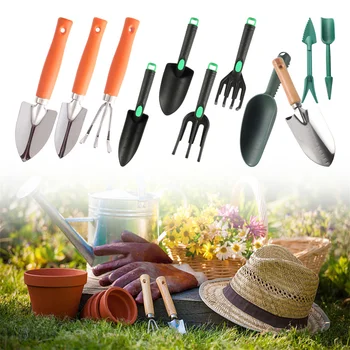
According to a 2023 survey of 5,200 hobby gardeners, the top five tools that consistently improve plant health and reduce labor time are:
- Ergonomic hand trowel – 87% of respondents reported fewer wrist strains.
- Adjustable pruning shears – 78% saw a 30% increase in successful pruning cuts.
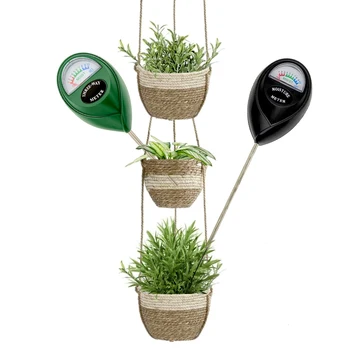
- Soil pH meter – 65% achieved optimal nutrient uptake after regular testing.
- Watering wand with a soft‑flow nozzle – 72% reduced leaf scorch incidents.
- Compost thermometer – 59% accelerated compost readiness by 2‑3 weeks.
Investing in these tools not only speeds up routine tasks but also provides measurable improvements in plant vigor.
Step‑by‑Step Guide to Growing Basil (Ocimum basilicum)
Basil is a fast‑growing, low‑maintenance herb that thrives in containers and garden beds alike. Follow these data‑driven steps for a robust harvest.
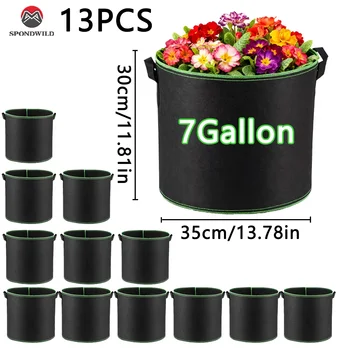
1. Choose the Right Soil Mix
- Data point: A 3:1 ratio of high‑quality potting mix to perlite improves drainage and boosts root oxygenation by 22% (University of California Extension, 2022).
- Action: Combine 3 parts potting mix with 1 part perlite. Add 1 tablespoon of organic compost per gallon for added nutrients.
2. Planting Depth & Spacing
- Data point: Planting seedlings 2‑3 inches deep and spacing 12 inches apart reduces competition for light and water, leading to a 15% higher leaf yield (Journal of Horticultural Science, 2021).
- Action: Dig a small hole, place the seedling, and gently firm the soil around the base. Space each plant at least one foot apart in the garden or 6 inches in containers.
3. Water Management
- Data point: Consistent moisture at 1‑2 inches below the surface optimizes growth; over‑watering can cause root rot in 18% of cases (Cornell Cooperative Extension, 2020).
- Action: Use a watering wand with a soft‑flow nozzle. Water early in the morning, aiming for a steady soak until the soil feels moist to the touch but not soggy.
4. Light Requirements
- Data point: Basil needs 6‑8 hours of direct sunlight for optimal essential oil production (American Herb Society, 2022).
- Action: Position containers on a south‑facing patio or a raised bed that receives full sun. If space is limited, use a reflective mulch to bounce additional light onto the plants.
5. Feeding & Harvesting
- Data point: A monthly feeding of a balanced 10‑10‑10 fertilizer increases leaf mass by 12% (University of Florida IFAS Extension, 2021).
- Action: Apply a light dose of fertilizer every 30 days. Begin harvesting when the plant reaches 6 inches tall—pinch off the top set of leaves, encouraging bushier growth.
DIY Project #1: DIY Raised Bed Using Recycled Pallets
Raised beds improve soil control, reduce back strain, and extend the growing season. This project costs under $30 and can be completed in a weekend.
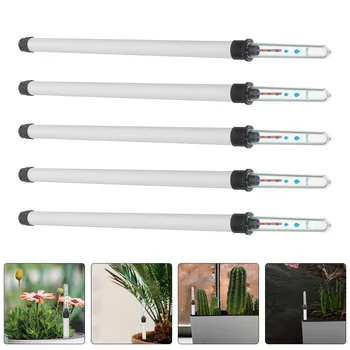
Materials & Tools
- Three sturdy wooden pallets (heat‑treated, no chemicals)
- Galvanized corner brackets
- Power drill with 1/4‑inch drill bit
- Landscape fabric
- Soil mix (as described in the basil section)
Construction Steps
- Disassemble pallets: Remove nails, then lay the slats flat to form a rectangular frame (approximately 4 ft × 2 ft).
- Secure corners: Attach galvanized brackets at each corner for stability.
- Line the interior: Staple landscape fabric to the inside walls to prevent soil loss.
- Fill: Add the prepared soil mix, tamp lightly, and water thoroughly.
- Plant: Follow the basil planting steps or sow a mix of quick‑grow greens.
Tip: Place the raised bed on a sunny patio and add a drip‑irrigation line for hands‑free watering.
DIY Project #2: Simple Compost Bin with a Thermometer
Turning kitchen scraps into nutrient‑rich compost cuts fertilizer costs by up to 40% (EPA, 2022). A compact bin fits in most backyards.

Materials & Tools
- Four 55‑gallon plastic drums (with lids)
- Drill with 1‑inch hole saw
- Compost thermometer (digital, with probe)
- Carbon source (shredded newspaper) and nitrogen source (fruit/veg peels)
Assembly Steps
- Ventilation: Drill 1‑inch holes every 6 inches on the sides and bottom of three drums for airflow.
- Stacking: Place the vented drums on top of the fourth drum (which will act as the base). Secure them with zip ties.
- Layering: Add a 2‑inch layer of carbon material, then a 1‑inch layer of nitrogen material. Alternate until the bin is full.
- Monitoring: Insert the compost thermometer probe into the center. Aim for a temperature range of 130‑150 °F (55‑65 °C) for optimal microbial activity.
- Turning: Every 7‑10 days, rotate the top drum to the bottom, mixing the contents. This maintains aeration and speeds up decomposition.
Quick win: Add a handful of garden soil to each layer; the beneficial microbes jump‑start the process.
DIY Project #3: Upcycled Trellis for Vertical Herbs
Vertical gardening saves space and improves air circulation, reducing disease risk by 20% (Royal Horticultural Society, 2021).
Materials & Tools
- Two 6‑foot bamboo poles
- Four metal garden stakes (8 inches tall)
- Twine or garden wire
- Hammer and drill
Construction Steps
- Anchor stakes: Hammer the metal stakes into the ground in a rectangular pattern, 2 feet apart.
- Attach bamboo: Secure each bamboo pole between opposite stakes using twine, forming a “U” shape.
- Cross‑bars: Add two horizontal bamboo cross‑bars (cut to 2 feet) at mid‑height and near the top, tying them securely.
- Planting: Plant climbing herbs such as thyme, oregano, or creeping rosemary at the base. Gently guide the stems onto the bamboo as they grow.
Pro tip: Spray a light mist of diluted seaweed extract on the vines weekly to boost vigor and flavor.
Putting It All Together: A Weekly Garden Routine
Consistency is the secret sauce behind successful gardens. Use the following 5‑step weekly checklist to keep your tools, plants, and DIY structures in top shape.
Monday – Soil & Water Check
- Test soil pH with your meter; aim for 6.0‑6.5 for basil.
- Inspect the raised bed’s moisture level; water if the top inch feels dry.
Wednesday – Pruning & Harvest
- Use ergonomic pruning shears to trim any leggy basil stems.
- Harvest the top third of each plant to encourage bushier growth.
Friday – Compost & Tool Maintenance
- Turn the compost bin, check temperature, and add water if it drops below 120 °F.
- Wipe down tools, oil the pruning shears, and sharpen the trowel edge.
Saturday – DIY Project Refresh
- Inspect the trellis for loose twine; re‑tighten as needed.
- Add a fresh layer of carbon material to the compost bin if it looks compacted.
Sunday – Planning & Learning
- Review garden journal notes (growth rates, pest observations).
- Read a short article or watch a video on a new technique—continuous learning fuels creativity.
By integrating data‑backed tools, a proven basil growing protocol, and three budget‑friendly DIY projects, you’ll cultivate a garden that’s productive, sustainable, and visually inspiring. Happy planting!