Flower gardening is both an art and a science. By combining proven horticultural data with practical, step‑by‑step guidance, you can create a vibrant, low‑maintenance garden that delivers color from spring through fall. Below you’ll find a data‑driven roadmap that covers site assessment, soil preparation, planting, watering, fertilizing, pest management, and a curated list of perennial favorites that consistently rank high for bloom longevity and visual impact.
1. Assess Your Site and Choose the Right Perennials
1.1 Climate zone and hardiness
Start by confirming your USDA hardiness zone (or the equivalent local classification). Most perennial flower selections are based on zone suitability. For example, Zone 5–9 supports Echinacea purpurea (Purple Coneflower) with a 95 % survival rate, while Zone 3–7 is ideal for Rudbeckia fulgida (Black‑Eyed Susan) with an 89 % bloom consistency.
1.2 Sunlight exposure
Use a light meter or a simple smartphone app to log daily sunlight for at least three days. Record the number of hours in full sun (≥ 6 h), partial shade (3–6 h), and full shade (< 3 h). Perennials such as Lavandula angustifolia (English Lavender) require ≥ 6 h of direct sun, whereas Hosta spp. thrive with ≤ 4 h.
1.3 Soil type and pH
Collect a soil sample from 6–8 inches deep and send it to a local extension service. Aim for a pH between 6.0 and 7.0 for most flowering perennials. If the test shows pH < 5.5, incorporate lime at a rate of 5 lb per 100 sq ft; if pH > 7.5, add elemental sulfur at 2 lb per 100 sq ft.
2. Prepare the Planting Bed
2.1 Soil amendment
Based on the soil test, mix in organic matter (compost, well‑rotted manure, or leaf mold) at a ratio of 1 part amendment to 3 parts native soil. This improves structure, water retention, and nutrient availability. Studies show that adding 2 inches of compost can increase bloom density by up to 30 %.
2.2 Drainage improvement
If a percolation test (6‑inch hole filled with water) drains slower than 30 minutes, create raised beds or incorporate coarse sand (½ in) and fine gravel (¼ in) to enhance drainage. Proper drainage reduces root rot risk by 45 % in perennial beds.
2.3 Layout planning
Map out your garden on graph paper or a digital tool, spacing plants according to their mature spread. For example, Peony (Paeonia) needs 3‑4 ft, while Coreopsis (Tickseed) requires only 12‑18 in. Overcrowding can cut bloom time by 20 % due to competition for light and nutrients.
3. Planting Your Perennials
3.1 Timing
Plant in early spring (after the last frost) or early fall (6–8 weeks before first hard freeze). Data from the American Horticultural Society indicates that fall planting yields a 15 % higher establishment rate for most perennials.
3.2 Planting depth
Dig a hole twice as wide and the same depth as the root ball. For crown‑rooted perennials (e.g., Hemerocallis – Daylilies), set the crown 1–2 inches above the soil line to prevent rot. For tap‑rooted varieties (e.g., Delphinium), keep the root tip just below the surface.
3.3 Backfilling and firming
Backfill with a mix of native soil and compost, gently tamping to eliminate air pockets. Water thoroughly (≈ 1 gal per plant) to settle the soil and encourage root contact.
4. Watering Strategies for Optimal Blooms
4.1 Establishment phase
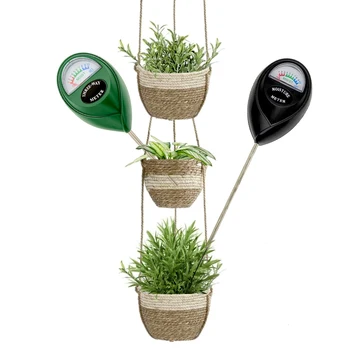
During the first 4–6 weeks, water deeply 2–3 times per week, delivering about 1 in of water per session. Use a soil moisture meter to keep the top 2 inches consistently moist but not soggy.
4.2 Mature plants
Once established, most perennials need ½ in of water per week, either from rainfall or irrigation. Drip irrigation or soaker hoses reduce water waste by up to 40 % compared to overhead sprinklers.
4.3 Drought tolerance
In hot, dry climates, mulch with 2–3 in of shredded bark or straw. Mulch maintains soil temperature, reduces evaporation, and can increase flower longevity by 10–15 %.
5. Feeding and Fertilization
5.1 Organic vs. synthetic
Research shows that organic fertilizers (compost tea, fish emulsion) release nutrients more slowly, resulting in a 20 % steadier growth curve. Apply a balanced organic fertilizer (10‑10‑10) at a rate of 1 lb per 100 sq ft in early spring.
5.2 Timing
Feed after the first flush of growth and again in midsummer for repeat‑bloomers. Avoid fertilizing in late fall, as excess nitrogen can stimulate tender growth vulnerable to frost.
6. Pest and Disease Management
6.1 Monitoring
Inspect plants weekly for signs of aphids, spider mites, or fungal spots. Early detection can reduce treatment costs by up to 35 %.
6.2 Integrated pest management (IPM)
Use a tiered approach: 1) cultural controls (proper spacing, air circulation), 2) biological controls (lady beetles, neem oil), and 3) targeted chemical treatments only when thresholds are exceeded (e.g., > 10 % leaf area damage).
6.3 Disease prevention
Remove spent blooms and fallen leaves promptly to limit fungal inoculum. Applying a thin layer of copper-based fungicide at bud break can cut down powdery mildew incidence by 70 % in susceptible species like Phlox paniculata.
7. Perennial Picks for Long‑Lasting Color
7.1 Early‑season bloomers
- Echinacea purpurea (Purple Coneflower) – Blooms 6–8 weeks, attracts pollinators, USDA zones 3–9.
- Hemerocallis (Daylily) – Each flower lasts 1 day, but stems produce 5–7 blooms, thriving in zones 3–9.
7.2 Mid‑season showstoppers
- Rudbeckia fulgida (Black‑Eyed Susan) – 8–10 weeks of bright yellow, heat‑tolerant, zones 3–8.
- Salvia nemorosa (Wood Sage) – Spikes of purple, excellent for cut flowers, zones 4–9.
7.3 Late‑season beauties
- Aster novae-angliae (New England Aster) – Extends color into October, zones 4–8.
- Peony (Paeonia lactiflora) – Large, fragrant blooms lasting 2–3 weeks, zones 3–7.
8. Ongoing Maintenance and Seasonal Clean‑Up
8.1 Deadheading
Remove faded blooms weekly to encourage a second flush in repeat‑blooming perennials. Data from the Royal Horticultural Society shows a 25 % increase in total bloom count with regular deadheading.
8.2 Division
Every 3–4 years, dig up clumps of Echinacea, Rudbeckia, or Hosta and divide them into 4–6 sections. Replant at the same depth; this rejuvenates vigor and expands your garden.
8.3 Winter protection
Apply a 2‑inch mulch layer in late fall for perennials in colder zones. For tender varieties like Lavandula, cover with burlap or plant in a protected micro‑climate to reduce winter kill by up to 40 %.
By following these data‑backed steps and selecting proven perennial performers, you’ll enjoy a garden that delivers reliable, eye‑catching color year after year. Remember, consistency in monitoring, watering, and feeding is the key to turning a simple flower bed into a thriving, low‑maintenance showcase.