Indoor plants do more than add a splash of green to your living space—they act as natural air filters, reducing pollutants and boosting overall well‑being. By selecting a few hardy, low‑maintenance varieties and following data‑backed care routines, you can transform any room into a healthier environment without the need for costly air‑purification systems.
Why Indoor Plants Improve Air Quality
Research from NASA’s Clean Air Study and subsequent peer‑reviewed papers shows that certain foliage can absorb volatile organic compounds (VOCs) such as formaldehyde, benzene, and trichloroethylene. These compounds often originate from furniture, paints, and cleaning products. When plants photosynthesize, they convert CO₂ into oxygen while their root‑associated microbes break down VOCs, effectively lowering indoor pollutant concentrations by up to 30 % in well‑ventilated spaces.
Top Low‑Maintenance Air‑Purifying Plants
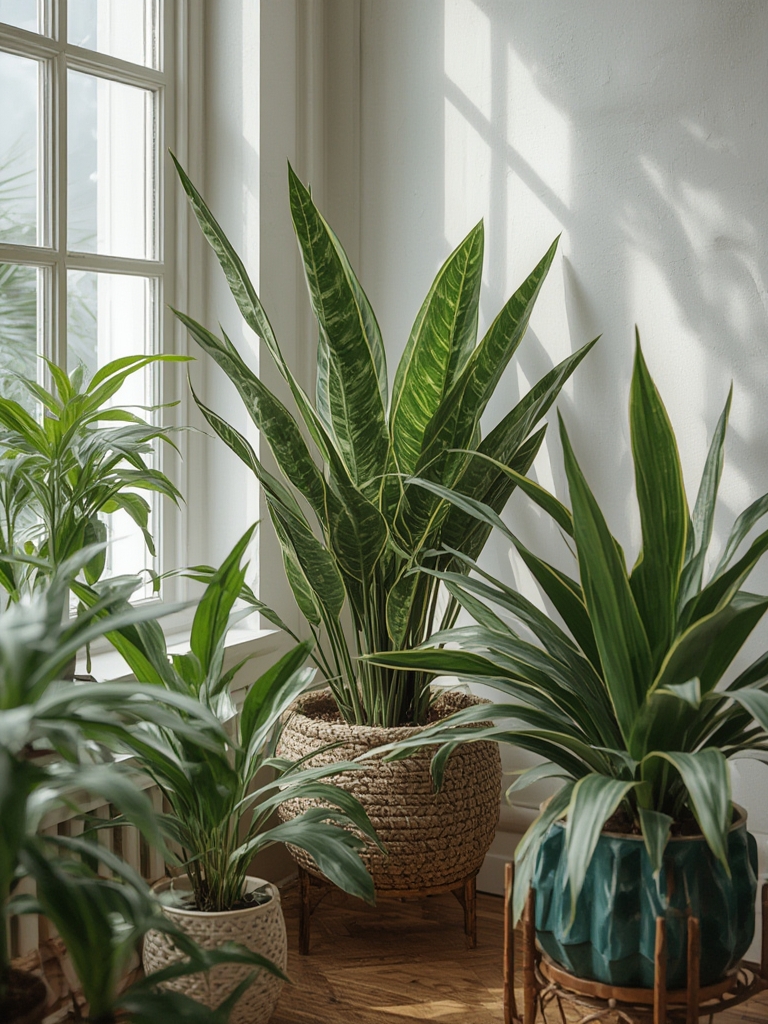
1. Snake Plant (Sansevieria trifasciata)
Why it works: Extremely tolerant of low light and irregular watering, it excels at night‑time oxygen production.
2. ZZ Plant (Zamioculcas zamiifolia)
Why it works: Its thick rhizomes store water, making it drought‑resistant while still filtering formaldehyde and xylene.
3. Spider Plant (Chlorophytum comosum)
Why it works: Fast‑growing and adaptable, it removes pollutants like formaldehyde and carbon monoxide.
4. Peace Lily (Spathiphyllum spp.)
Why it works: Known for high VOC absorption rates, especially for benzene and trichloroethylene, and it signals over‑watering with drooping leaves.
Step‑by‑Step Care Guide
Step 1: Choose the Right Spot
- Light assessment: Use a smartphone light meter app or a simple hand‑test—if you can read a newspaper comfortably, the light is adequate for most of these plants.
- Air flow: Position plants near windows or ventilation fans, but avoid direct drafts that can dry out soil quickly.
Step 2: Potting and Soil Selection
- Pot size: Choose a container 2‑3 inches larger than the root ball to allow growth without waterlogging.
- Soil mix: A 70 % peat‑based potting mix combined with 30 % perlite ensures good drainage while retaining enough moisture for the ZZ and Snake plants.
- Drainage: Always add a layer of gravel or broken pottery at the bottom to prevent root rot.
Step 3: Watering Routine
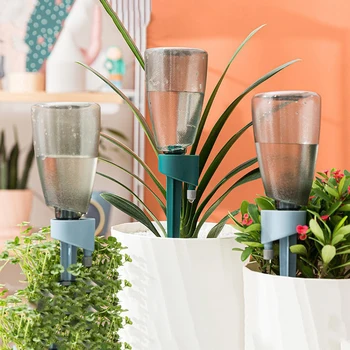
- Frequency: For Snake and ZZ plants, water once every 3‑4 weeks; let the soil dry 80 % before the next soak. Spider and Peace lilies prefer a weekly check—water when the top 1‑2 cm feels dry.
- Technique: Water slowly until it drains from the bottom hole. Avoid standing water in saucers; empty it within 5 minutes.
- Data tip: Use a moisture meter (readings 1–2 for dry, 3–4 for moist) to eliminate guesswork.
Step 4: Feeding and Fertilizing
- Schedule: Apply a balanced 20‑20‑20 liquid fertilizer at half strength once a month during the growing season (spring–early fall).
- Safety: Skip fertilizing in winter; excess nutrients can cause leaf burn and reduce VOC‑filtering efficiency.
Step 5: Pruning and Leaf Care
- Remove dead foliage: Trim yellow or brown leaves with clean scissors to prevent fungal growth.
- Encourage new growth: For Spider plants, gently pull off baby “spiderettes” and re‑pot them; they’ll multiply air‑purifying surfaces.
- Dust control: Wipe leaves weekly with a damp microfiber cloth. Clean leaf surfaces improve gas exchange, boosting pollutant absorption by up to 15 %.
Practical Tips & Tricks for Ongoing Success
Use a Simple Air‑Quality Tracker
Place a low‑cost indoor air‑quality monitor (e.g., one that reads PM2.5 and VOC levels) near your plant cluster. Record weekly readings; a consistent drop of 10‑20 % indicates your plants are doing their job.

Rotate Plants Quarterly
Turn each pot 90 degrees every three months to ensure even light exposure, preventing one side from becoming leggy while the other stays compact.
Group Plants for Synergy
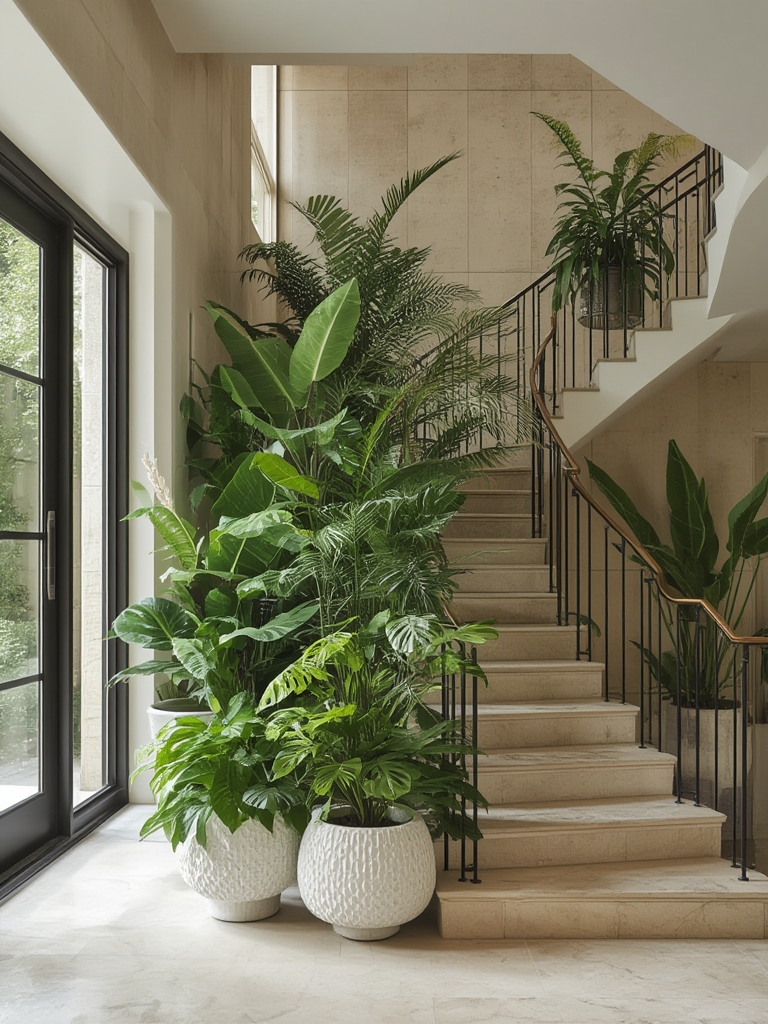
Creating a “green wall” of mixed species maximizes the range of pollutants each plant can target. For example, pair a Peace Lily (benzene remover) with a Snake Plant (night‑time oxygen) for balanced day/night air improvement.
Leverage Humidity
Peace lilies thrive in higher humidity. Place a small pebble tray with water beneath the pot, or run a humidifier at 40‑50 % relative humidity during winter heating seasons. This also benefits respiratory health for occupants.
Common Mistakes & How to Avoid Them
- Over‑watering: The #1 cause of root rot. Stick to the “dry‑soil‑first” rule and use a moisture meter.
- Ignoring light needs: Even low‑light plants need some indirect sunlight. If leaves start to yellow, move the plant 1‑2 feet closer to a window.
- Using garden soil: Outdoor soil is too dense and may contain pests. Always use a sterile potting mix.
- Neglecting leaf cleaning: Dust blocks stomata, reducing VOC uptake. A quick wipe once a week keeps the plant efficient.
Measuring Success Without Fancy Equipment
Track three simple metrics for each plant:
- Leaf vitality: Count the number of fully green leaves versus yellowed ones each month.
- Growth rate: Measure the height or new leaf length quarterly; a 2‑3 cm increase signals a healthy environment.
- Air‑quality trend: If you have a basic monitor, note the VOC reading before introducing plants and compare after 2‑3 months.
When all three metrics show improvement, you’ve created a thriving, air‑purifying indoor garden.
Quick Action Checklist
- Pick 2‑3 of the recommended plants based on light availability.
- Pot them in well‑draining mix with a drainage layer.
- Set a watering calendar (e.g., “Water on the first Monday of the month”).
- Place an air‑quality monitor nearby and log weekly readings.
- Schedule monthly leaf cleaning and quarterly rotation.
By following these data‑driven steps, you’ll not only enjoy the aesthetic boost of greenery but also breathe cleaner, fresher air—all with minimal effort and cost.