
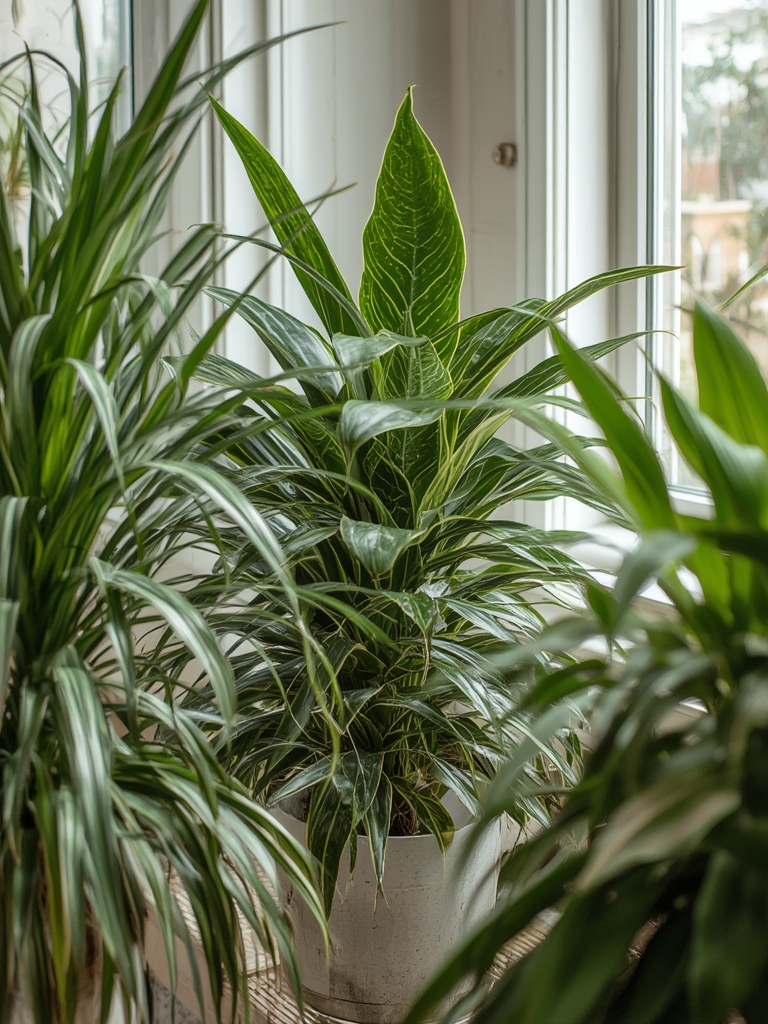
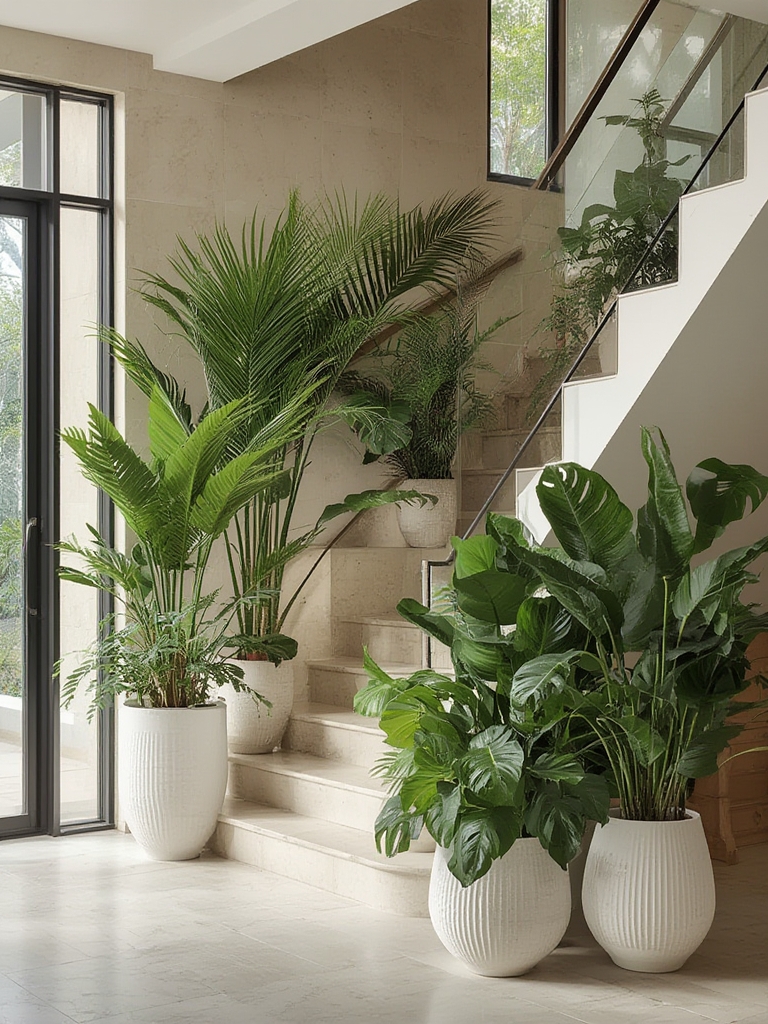
Indoor plants are more than just décor; they improve air quality, boost mood, and add a touch of nature to any room. The good news is that you don’t need a green‑thumb to enjoy their benefits. By focusing on low‑maintenance varieties and following a data‑driven care routine, you can create a thriving indoor garden that requires minimal attention. Below is a step‑by‑step guide that blends scientific insights with practical tips, ensuring even beginners can achieve success.
1. Choose the Right Plant for Your Space
Assess Light Conditions
- Low‑light zones: Snake plant (Sansevieria), ZZ plant (Zamioculcas zamiifolia), and pothos thrive with 50–100 lux.
- Medium‑light zones: Spider plant (Chlorophytum comosum) and philodendron perform best at 200–500 lux.
- Bright indirect light: Monstera, fiddle‑leaf fig, and succulents need 500–1,000 lux.
Use a smartphone light meter app or a simple lux meter to verify the light intensity where you plan to place the plant. This data‑driven approach reduces guesswork and prevents common problems like leggy growth or leaf scorch.
Consider Humidity & Temperature
- Most tropical indoor plants prefer 60–80 % relative humidity. If your home is dry (especially in winter), a pebble tray or a humidifier can raise humidity by 10–15 %.
- Maintain a stable temperature between 65–75 °F (18–24 °C). Sudden drops below 50 °F can stress foliage and slow growth.
2. Potting and Soil Selection
Choose the Right Container
- Pick a pot with drainage holes; excess water should escape to avoid root rot.
- For larger plants, use a pot that is 2–3 inches wider than the root ball to give roots room to expand.
Use a Well‑Balanced Soil Mix
- For most houseplants, a 2:1:1 blend of peat moss (or coconut coir), perlite, and compost works well.
- Succulents and cacti need a gritty mix: 50 % coarse sand, 30 % potting soil, 20 % perlite.
Testing soil pH with a simple strip can help you keep it in the optimal range (5.5–6.5 for most indoor foliage). Adjust with lime (to raise pH) or sulfur (to lower pH) as needed.
3. Watering Strategies Based on Data
Understand the “Finger Test”
Insert your finger 1–2 inches into the soil. If it feels dry, water thoroughly until water drains from the bottom. If it’s still moist, wait another 2–3 days.
Use a Watering Schedule
- Snake plant: every 3–4 weeks.
- Spider plant: once a week.
- Fiddle‑leaf fig: every 5–7 days.
Adjust frequency based on seasonal changes; plants generally need 20–30 % less water in winter.
Practical Tip: Water Quality
Room‑temperature, filtered or distilled water prevents mineral buildup. If you use tap water, let it sit for 24 hours to allow chlorine to evaporate.
4. Feeding and Nutrient Management
When to Fertilize
- Apply a balanced 20‑20‑20 liquid fertilizer at half strength during the active growth period (spring‑summer).
- Stop fertilizing in fall and winter when growth naturally slows.
Slow‑Release Options
Granular slow‑release fertilizers (e.g., 10‑10‑10) can be mixed into the potting mix at a rate of 1 tsp per gallon of soil, providing nutrients for up to 3 months.

5. Pruning, Grooming, and Pest Prevention
Regular Pruning
- Remove yellow or brown leaves promptly to redirect energy to healthy growth.
- Trim leggy stems back to a node to encourage bushier foliage.
Integrated Pest Management (IPM)
Monitor plants weekly for signs of pests. Common indoor invaders include spider mites, mealybugs, and aphids.
- Early detection: Use a hand lens to spot tiny webs or cottony masses.
- Natural control: Spray a solution of 1 tsp neem oil mixed with 1 cup water, covering both tops and undersides of leaves.
- Physical removal: Wipe pests off with a damp cloth or use a soft brush.
6. Seasonal Adjustments for Year‑Round Success
Spring & Summer (Growth Phase)
- Increase watering frequency by 10–15 % as temperature rises.
- Rotate pots 90° every two weeks for even light exposure.
- Introduce a light feeding regimen every 4 weeks.
Fall & Winter (Dormancy Phase)
- Reduce watering to once every 2–3 weeks, depending on humidity.
- Move plants away from drafty windows and heating vents.
- Limit fertilization to once in early fall, then stop.
7. Quick‑Action Checklist for Busy Homeowners
- ✔️ Test light levels with a lux app before buying a plant.
- ✔️ Use pots with drainage and a well‑aerated soil mix.
- ✔️ Apply the finger test before each watering session.
- ✔️ Feed only during spring‑summer at half‑strength.
- ✔️ Inspect weekly for pests; treat immediately with neem spray.
- ✔️ Adjust watering and feeding based on seasonal temperature changes.
By following these data‑backed steps, you can enjoy a vibrant indoor garden that looks thriving without demanding constant attention. The key is to start simple, monitor conditions, and make small, informed adjustments over time. Happy planting!

