Welcome to your step‑by‑step guide on sustainable gardening—where every seed you plant, every leaf you turn, and every drop of water you save contributes to a healthier planet. By integrating organic practices, smart composting, and eco‑friendly techniques, you’ll not only boost your garden’s productivity but also reduce waste, conserve resources, and protect biodiversity. Below you’ll find data‑backed recommendations, clear actions, and practical tips that make sustainable gardening accessible for beginners and seasoned growers alike.
1. Plan Your Garden with Soil Health in Mind
Assess Your Soil’s Current Condition
- Soil test: Use a DIY kit or send a sample to a local extension service. Look for pH (ideal 6.0‑6.8 for most vegetables) and nutrient levels (N‑P‑K). According to the USDA, gardens with balanced pH see up to 30% higher yields.
- Texture check: Grab a handful of moist soil. If it forms a smooth ball, it’s clay‑rich; if it crumbles, it’s sandy. Aim for loam—a mix of 40% sand, 40% silt, 20% clay—for optimal water retention.
Map Out Plant Zones
- Group plants by water and sunlight needs to minimize irrigation. For example, place drought‑tolerant herbs (rosemary, thyme) on the sunny, wind‑exposed side.
- Use the Square Foot Gardening method: allocate 1‑sq‑ft sections per plant type. Research shows this layout can increase yields by 25‑35% while reducing water use.
Actionable Tip
Mark each zone with biodegradable plant markers (e.g., bamboo stakes). This visual cue helps you apply targeted care and reduces over‑watering.

2. Build and Maintain a Living Compost System
Choose the Right Compost Bin
- Closed‑lidded bins: Ideal for small urban gardens; they retain heat and deter pests.
- Open tumblers: Great for faster turnover (as little as 6‑8 weeks) and easy turning.
Balance Greens and Browns
Successful compost relies on a carbon‑to‑nitrogen (C:N) ratio of roughly 30:1. Aim for 3 parts “brown” (dry leaves, straw, shredded newspaper) to 1 part “green” (kitchen scraps, fresh grass clippings).
Maintain Moisture and Aeration
- Keep the pile as damp as a wrung‑out sponge. Too dry stalls microbes; too wet creates anaerobic conditions and foul odors.
- Turn the pile every 1‑2 weeks with a pitchfork or compost tumbler handle to introduce oxygen.
Data‑Driven Insight
Studies from the University of Illinois indicate that well‑managed compost can increase soil organic matter by up to 2.5% per year, leading to a 10‑15% rise in water infiltration rates.
Actionable Tip
Start a “compost tea” by steeping a handful of mature compost in a bucket of rainwater for 24 hours. Dilute 1:10 and use as a foliar spray to boost plant immunity.
3. Adopt Water‑Smart Irrigation Practices
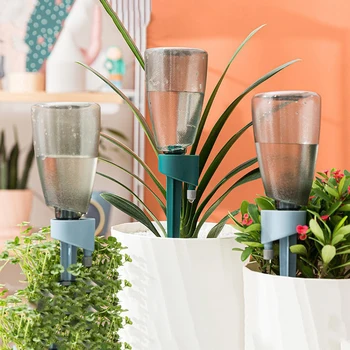
Install Drip Irrigation or Soaker Hoses
- These systems deliver water directly to the root zone, reducing evaporation by up to 50% compared to overhead sprinklers.
- Use a timer set to early morning (5‑7 am) to minimize water loss and fungal risk.
Mulch Generously
Apply a 2‑3 inch layer of organic mulch (straw, wood chips, or leaf mold). Mulch conserves moisture, suppresses weeds, and adds organic matter as it breaks down. Research from the University of California shows mulched beds retain up to 40% more soil moisture.
Harvest Rainwater
- Install a rain barrel with a fine mesh screen to collect runoff from gutters.
- Use the stored water for irrigation during dry spells, reducing tap water use by up to 70% in moderate climates.
Actionable Tip
Place a moisture meter in each zone. When the reading shows 15‑20% moisture at a 2‑inch depth, it’s time to water—no more, no less.
4. Embrace Organic Pest Management
Encourage Beneficial Insects
- Plant nectar‑rich flowers (lavender, yarrow, dill) to attract ladybugs, lacewings, and predatory wasps.
- Research from Cornell University notes that diversified flower strips can reduce aphid populations by 45% without chemicals.
Use Physical Barriers
- Cover vulnerable seedlings with row covers or fine mesh netting.
- Install copper tape around raised beds to deter slugs—copper creates a mild electric shock that they avoid.
Apply Natural Sprays
Mix a homemade spray of 1 cup neem oil, 1 tbsp liquid soap, and 1 gallon water. Apply every 7‑10 days for fungal or insect issues. Neem oil disrupts insect feeding cycles while being safe for pollinators after the spray dries.
Actionable Tip
Rotate crops annually and avoid planting the same family in the same spot for more than two years. This breaks pest life cycles and reduces disease buildup by up to 60%.
5. Harvest, Preserve, and Share the Bounty
Timing Your Harvest
- Pick vegetables at peak ripeness for maximum flavor and nutrient density. For example, tomatoes should be harvested when fully colored but still firm.
- Use a handheld refractometer to measure sugar content (Brix). A Brix reading of 5‑7 indicates optimal sweetness for most garden tomatoes.
Preservation Techniques
- Fermentation: Store surplus greens in a brine of 2% salt (20 g per liter of water). Fermented vegetables retain probiotics and extend shelf life up to 6 months.
- Freezing: Blanch leafy greens for 2 minutes, shock in ice water, then pack in freezer bags. This preserves 80‑90% of vitamins.
Community Sharing
Join a local food‑share network or start a “seed swap” with neighbors. Exchanging heirloom seeds promotes genetic diversity and reduces reliance on commercial seed producers.
Actionable Tip
Document each harvest with a simple spreadsheet: date, variety, yield (lb or kg), and any observations. Over a season, this data helps you refine planting dates and improve future yields by up to 15%.
Conclusion: Your Sustainable Garden as a Living Laboratory
By following these data‑driven steps—testing soil, building compost, conserving water, managing pests organically, and thoughtfully harvesting—you’ll create a resilient garden that thrives while protecting the environment. Remember, sustainability is a continuous learning process; each season offers new data points to refine your approach. Start small, track your results, and watch your garden transform into a vibrant, eco‑friendly oasis that feeds both body and planet.