Flower gardening is a rewarding hobby that brings color, fragrance, and a sense of accomplishment to any outdoor space. Whether you’re a seasoned green thumb or just starting out, this data‑driven guide walks you through every stage—from soil preparation to budget‑friendly upgrades—so you can cultivate a thriving floral display without breaking the bank.
1. Choose the Right Flowers for Your Climate and Soil
Analyze Your Hardiness Zone
Start by locating your USDA hardiness zone (or the equivalent for your region). This simple step tells you which species can survive winter lows and which will need extra protection. Use free online tools like the USDA Plant Hardiness Zone Map to pinpoint your zone in seconds.
Test Soil pH and Texture
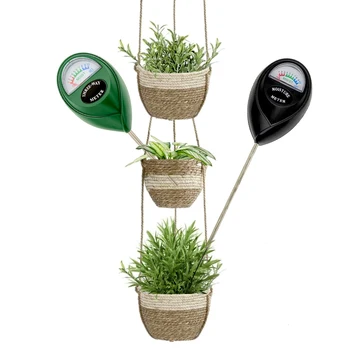
Grab a basic soil test kit from a garden center (under $10) and follow the instructions to measure pH and nutrient levels. Most flowering plants thrive in slightly acidic to neutral soil (pH 6.0–7.0). If your soil is too alkaline, incorporate elemental sulfur; if it’s too acidic, add garden lime. Amend the texture with compost or well‑rotted manure to improve drainage and water retention.
2. Prepare the Planting Site
Clear and Level the Area
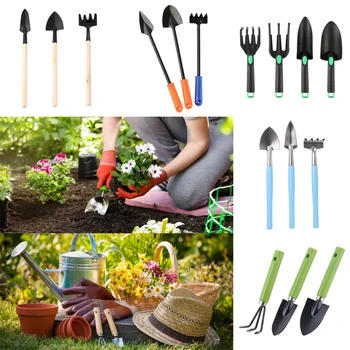
Remove weeds, rocks, and debris. A clean surface reduces competition for nutrients and prevents pests from hiding. Use a garden rake to level the ground, creating a smooth canvas for planting.
Build a Nutrient‑Rich Bed
Mix 2–3 inches of high‑quality compost into the top 6 inches of soil. Compost not only adds essential nutrients but also improves soil structure, helping roots breathe. For a cost‑effective boost, consider making your own compost from kitchen scraps and yard waste.
3. Planting Your Flowers
Spacing and Depth
Follow the spacing recommendations on each plant’s label—generally 12–18 inches for most perennials and 6–12 inches for annuals. Plant at the same depth they were growing in their containers; burying too deep can suffocate roots, while shallow planting can expose them to drying winds.
Watering Technique
After planting, water deeply to settle the soil around the roots. Use a soaker hose or a gentle sprinkler to deliver water slowly; this encourages deep root growth and reduces runoff. Aim for 1 inch of water per week, adjusting for rainfall.
4. Ongoing Care and Maintenance
Mulching for Moisture Retention
Apply a 2–3 inch layer of organic mulch (shredded leaves, straw, or pine bark) around each plant. Mulch conserves moisture, suppresses weeds, and slowly releases nutrients as it decomposes. Replenish mulch annually to keep it effective.
Fertilizing on a Schedule
Use a balanced, slow‑release fertilizer (10‑10‑10) at the start of the growing season. For a budget‑friendly alternative, sprinkle a handful of compost or well‑rotted manure around the base of each plant every 4–6 weeks. This provides a steady nutrient supply without the need for expensive chemical blends.
Pruning and Deadheading
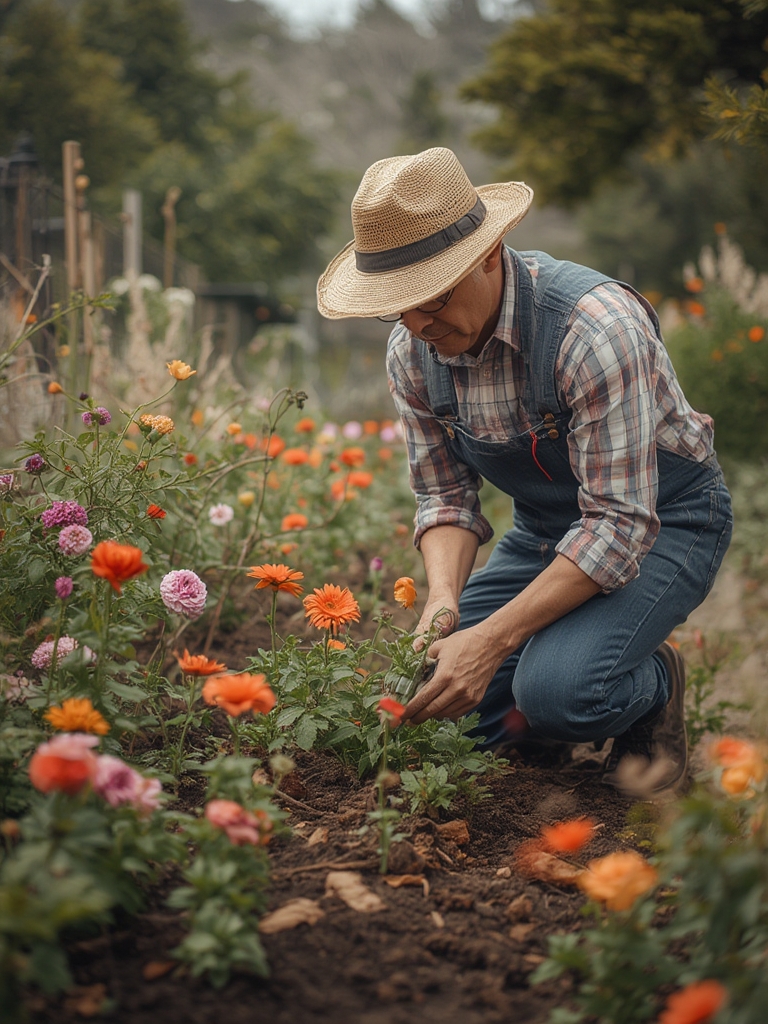
Regularly remove spent blooms (deadheading) to encourage repeat flowering. For perennials, cut back foliage in late fall after the first frost to prevent disease and promote vigorous spring growth. Sharp, clean pruning shears are a small investment that pays off in healthier plants.
5. Pest and Disease Management
Monitor and Identify Early
Inspect plants weekly for signs of pests (chewed leaves, sticky residue) or disease (discolored spots, powdery mildew). Early detection allows you to act before an infestation spreads.
Natural Controls
Introduce beneficial insects like ladybugs and lacewings by planting nectar‑rich herbs (dill, fennel, yarrow). For minor aphid problems, spray a solution of 1 tablespoon liquid soap per gallon of water. This low‑toxicity method works quickly and won’t harm pollinators.
DIY Fungicide
If you spot fungal growth, mix 1 tablespoon of baking soda, 1 teaspoon of horticultural oil, and 1 gallon of water. Apply the spray in the early morning or late afternoon to prevent leaf burn. This inexpensive remedy can halt many common garden fungi.
6. Budget‑Friendly Garden Upgrades
DIY Raised Beds
Construct raised beds using reclaimed lumber, old pallets, or even sturdy cardboard boxes. Fill them with a mix of garden soil and compost. Raised beds improve drainage, reduce soil compaction, and make planting easier for beginners.
Creative Container Gardening
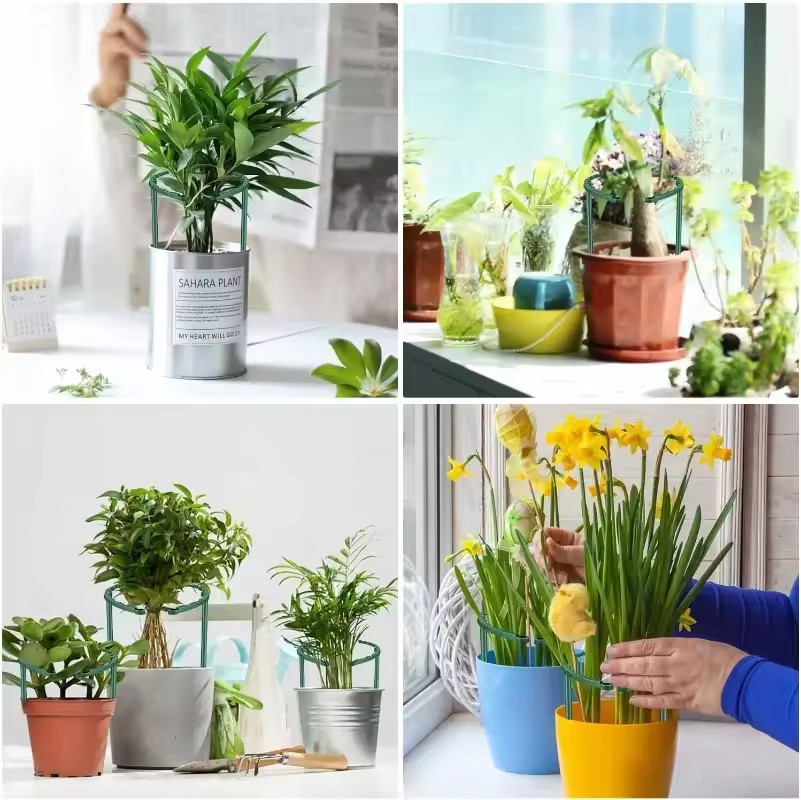
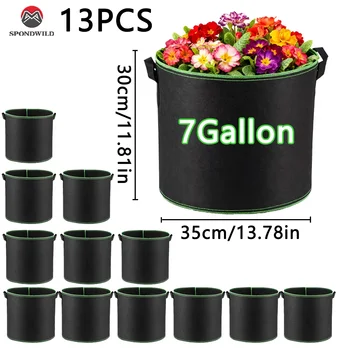
Repurpose items like tin cans, wooden crates, or old tires as flower containers. Drill drainage holes, line with landscape fabric, and fill with potting mix. This approach adds visual interest while keeping costs low.
Low‑Cost Pathways
Lay down crushed gravel or stepping stones made from reclaimed concrete slabs to create functional pathways. They prevent foot traffic from compacting soil around your plants and give the garden a polished look without expensive pavers.
Water Conservation Hacks
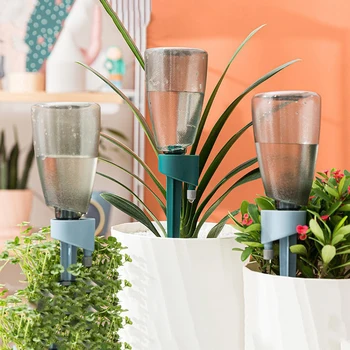
Install a simple rain barrel using a large food‑grade barrel and a downspout diverter. Collecting rainwater reduces your water bill and provides a natural, chemical‑free source for irrigation. Pair the barrel with a drip‑irrigation kit (often under $20) for precise, water‑saving delivery.
7. Harvesting the Rewards
Cut Flowers for Indoor Arrangements
Harvest blooms early in the morning when they’re most hydrated. Cut stems at a 45‑degree angle, place them in a bucket of water, and keep them cool until you’re ready to arrange. Regular cutting encourages more blooms throughout the season.
Document Your Progress
Take weekly photos and note bloom times, weather conditions, and any interventions you made. Over time, this data helps you fine‑tune planting dates, watering schedules, and fertilizer applications, turning your garden into a living experiment.
By following these data‑driven steps and embracing inexpensive upgrades, you’ll create a vibrant flower garden that thrives year after year. The key is consistency: test your soil, water wisely, and stay vigilant against pests. With a little planning and creativity, beautiful blooms are well within reach—no massive budget required.