
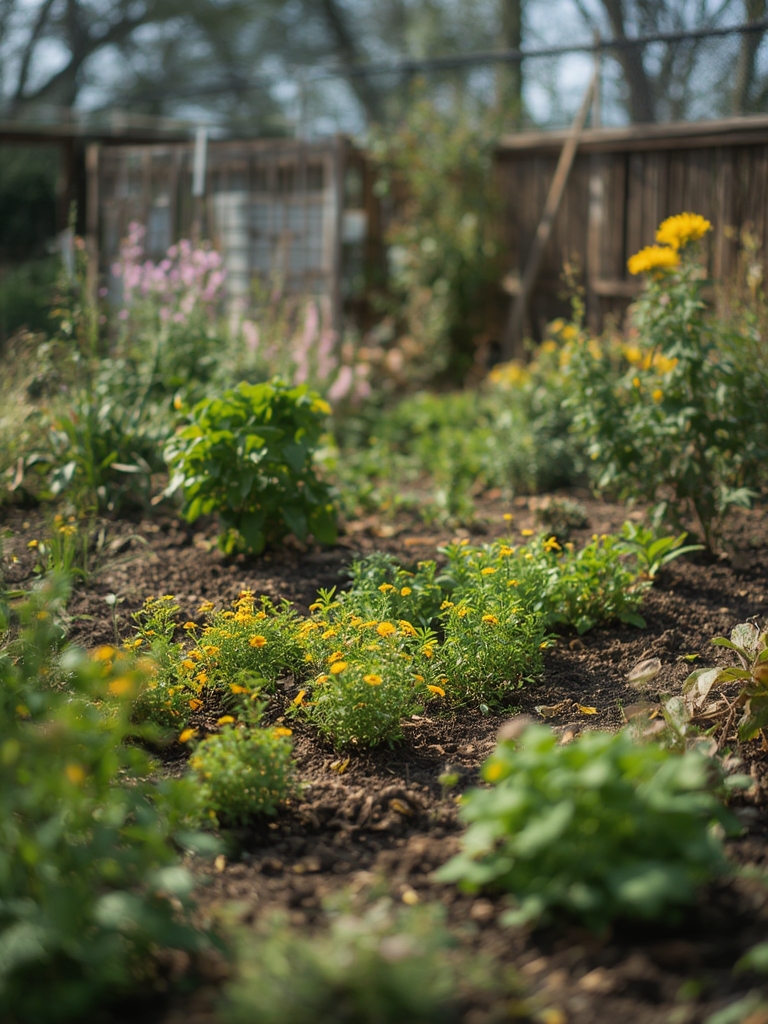
Welcome to your step‑by‑step guide on creating a thriving, sustainable garden that not only reduces your environmental footprint but also becomes a buzzing haven for bees, butterflies, and other beneficial insects. By combining data‑backed practices with simple, actionable tips, you’ll cultivate a resilient garden that yields healthy plants, conserves resources, and supports local biodiversity.
Step 1: Assess Your Site and Choose the Right Plants
Gather Site Data
- Sunlight exposure: Use a smartphone app or a simple sun‑tracking chart to record the hours of direct sun each area receives over a week.
- Soil pH and texture: A basic soil test kit (available at most garden centers) will tell you if your soil is acidic (< 6.0), neutral (6.0‑7.0), or alkaline (> 7.0). Record the results in a spreadsheet for future reference.
- Water drainage: Perform the “paper towel test” – dig a 6‑inch hole, fill with water, and time how long it takes to drain. Good drainage is under 30 minutes.
Select Native, Pollinator‑Friendly Species
Data from the Nature Conservancy shows that native plants attract 3‑5× more pollinators than exotic varieties. Choose at least three of the following low‑maintenance, drought‑tolerant natives:
- Echinacea purpurea (Purple Coneflower) – bright blooms, attracts bees and butterflies.
- Salvia nemorosa (Wood Sage) – long‑lasting spikes, draws hoverflies.
- Achillea millefolium (Yarrow) – flat‑topped clusters, supports parasitic wasps.
Step 2: Prepare Soil for Long‑Term Health
Amend with Organic Matter
Based on USDA research, adding 2‑3 inches of compost improves water retention by up to 30 % and boosts microbial activity. Spread compost evenly, then work it into the top 6‑8 inches of soil using a garden fork.
Implement a Soil‑Testing Routine
Record pH, nitrogen (N), phosphorus (P), and potassium (K) levels after amendment. Adjust with natural inputs:
- Low nitrogen: add blood meal (½ cup per 100 sq ft).
- Low phosphorus: sprinkle rock phosphate (¼ cup per 100 sq ft).
- Low potassium: incorporate wood ash (¼ cup per 100 sq ft) – avoid if soil is already alkaline.
Step 3: Conserve Water with Smart Irrigation
Install Drip‑Irrigation or Soaker Hoses
Studies from the University of California show drip systems reduce water use by 40‑50 % compared with overhead sprinklers. Lay drip lines at the base of each plant, delivering 0.5 gallon per hour for 30‑45 minutes, 2‑3 times per week (adjust for rainfall).
Mulch for Moisture Retention
Apply a 2‑inch layer of shredded bark, straw, or leaf mulch around plant bases. Mulch cuts evaporation by up to 25 % and suppresses weeds, reducing the need for herbicides.
Step 4: Design for Pollinator Access
Plant in “Pollinator Pods”
Group plants with overlapping bloom periods (early spring to late fall) in clusters of at least 3 ft². Data from the Xerces Society indicates that clusters increase visitation rates by 60 % because insects can forage efficiently.

Provide Habitat Features
- Bee hotels: Install a 12‑inch wooden block with drilled holes (⅜‑¾ in) at a sunny spot.
- Butterfly puddling stations: Fill a shallow dish with sand and a few drops of mineral-rich salt solution.
- Native grasses: Leave a 1‑ft strip of tall grasses for sheltering predatory insects.
Step 5: Ongoing Care and Integrated Pest Management (IPM)
Monitor with a Simple Scoring System
Every two weeks, give each plant a score from 1‑5 for:
- Leaf color (green = 5, yellowing = 2)
- Presence of pests (none = 5, minor = 3, heavy = 1)
- Flower abundance (full bloom = 5, sparse = 2)
Record scores in a Google Sheet; trends will highlight when to intervene.
Apply Organic Controls When Needed
- Aphids: Spray a neem oil solution (1 tsp per quart water) early morning.
- Slugs: Scatter crushed eggshells or use iron phosphate bait.
- Fungal issues: Increase airflow, reduce overhead watering, and apply a copper‑based fungicide if necessary.
Step 6: Harvest, Share, and Celebrate Success
Collect Seeds for Future Plantings
After the first frost, place seed heads in paper bags, label with species and date, and store in a cool, dry place. This reduces seed‑costs by up to 80 % and preserves local genetic diversity.
Document Your Garden’s Impact
Use a free citizen‑science app like iNaturalist to log pollinator visits. Over a season, you’ll generate data that can be shared with local extension services, contributing to community‑wide sustainability efforts.
Quick Action Checklist
- Test soil pH and texture – record results.
- Choose 3‑4 native, pollinator‑friendly plants.
- Incorporate 2‑3 inches of compost and amend nutrients.
- Install drip irrigation and apply 2‑inch mulch.
- Group plants in 3‑ft² “pollinator pods.”
- Set up bee hotels and butterfly puddling stations.
- Score plants bi‑weekly; act on low scores.
- Harvest seeds and log pollinator activity.
By following these data‑driven steps, you’ll create a sustainable garden that thrives with minimal inputs while becoming a vibrant ecosystem for bees, butterflies, and beneficial insects. Happy gardening!
