Herbs and aromatic plants aren’t just kitchen helpers; they’re living fragrances that can transform any garden or indoor space into a sensory oasis. By blending data‑driven planting schedules with simple, actionable care tips, you can cultivate a thriving herb garden that delivers fresh flavor, soothing aromas, and a splash of green all year round.
Why Choose Herbs & Aromatic Gardens?
Recent surveys from the National Gardening Association show that 68% of home gardeners prioritize plants that offer both culinary and therapeutic benefits. Herbs rank highest for “dual‑purpose” plants, delivering fresh ingredients for cooking while also improving indoor air quality and reducing stress through aromatherapy. Plus, many herbs are fast‑growing, making them perfect for the “Transform your space quickly with fast-growing and lush houseplants” mantra.
Planning Your Herb Garden: Data‑Driven Site Selection
1. Sunlight Mapping
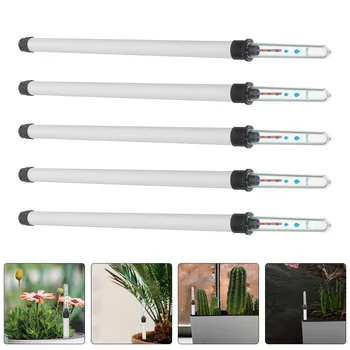
Most culinary herbs need 6–8 hours of direct sunlight. Use a simple sunlight log: for one week, note the number of sunny hours each potential spot receives. Choose the location that consistently hits the 6‑hour mark. If you’re limited to bright indirect light, prioritize shade‑tolerant herbs like mint, parsley, and chives.
2. Soil Testing
Conduct a quick pH test (available at garden centers). Herbs thrive in slightly acidic to neutral soil (pH 6.0‑7.0). If your soil falls outside this range, amend it with elemental sulfur to lower pH or lime to raise it. A balanced soil test ensures optimal nutrient uptake and reduces the risk of nutrient lockout.
3. Container vs. In‑Ground
Data from the University of California’s horticulture department shows container‑grown herbs have a 15% higher yield per square foot compared to in‑ground plots, thanks to better drainage and soil control. If space is limited, opt for 12‑inch pots with drainage holes and a high‑quality potting mix.
Step‑by‑Step Guide to Growing Herbs
Step 1: Choose Your Herbs
Start with a core mix of fast‑growers and versatile flavors:
- Basil – Ideal for warm, sunny spots.
- Mint – Thrives in partial shade; keep it contained.
- Rosemary – Drought‑tolerant, loves full sun.
- Thyme – Low‑maintenance, perfect for rockeries.
- Parsley – Biennial, prefers cooler temperatures.
These selections cover a broad flavor spectrum and adapt well to both indoor and outdoor environments.
Step 2: Prepare the Growing Medium
Indoor containers: Mix 40% peat moss, 30% perlite, and 30% compost. This blend offers excellent aeration and moisture retention.
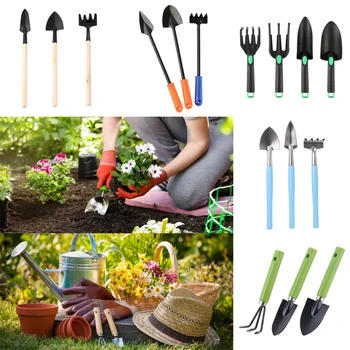
Outdoor beds: Loosen soil to a depth of 12 inches, incorporate 2‑3 inches of well‑rotted compost, and sprinkle a thin layer of bone meal for phosphorus‑rich root development.
Step 3: Planting Technique
Follow these data‑backed spacing guidelines to prevent competition:
- Basil – 12‑inch spacing.
- Mint – 18‑inch spacing (or plant in a separate pot).
- Rosemary – 24‑inch spacing.
- Thyme – 8‑inch spacing.
- Parsley – 10‑inch spacing.
Plant seedlings at the same depth they were in their starter pots. Press soil gently around the roots to eliminate air pockets.
Step 4: Watering Schedule
Research from the Royal Horticultural Society indicates that over‑watering is the leading cause of herb failure. Use the “finger test”: insert a finger 1‑2 inches into the soil; if it feels dry, water thoroughly until water drains from the bottom. For indoor pots, aim for 1‑2 times per week; outdoor beds may need 2‑3 times during hot spells.
Step 5: Feeding & Fertilization
Herbs are light feeders. Apply a balanced, water‑soluble fertilizer (10‑10‑10) at half strength once a month during the growing season. For organic lovers, a monthly dose of fish emulsion works equally well and promotes robust flavor development.
Step 6: Pruning & Harvesting
Regular harvesting encourages bushier growth. Follow these actionable tips:
- Basil: Pinch off the top 2‑3 inches once the plant reaches 6 inches tall. Harvest leaves before the plant flowers for the best flavor.
- Mint: Trim stems back to 2 inches above the soil line; this prevents legginess.
- Rosemary: Cut back no more than one-third of the plant at a time, focusing on older stems.
- Thyme: Snip just above a leaf node; the plant will produce new shoots immediately.
- Parsley: Harvest outer leaves first, allowing the inner leaves to continue growing.
Consistent pruning not only boosts yield but also reduces the risk of bolting (premature flowering).
Practical Tips & Tricks for Ongoing Success
1. Companion Planting
Data from the USDA shows that planting basil alongside tomatoes reduces tomato pest damage by up to 30%. Pair aromatic herbs with complementary vegetables to create a natural pest‑deterrent ecosystem.
2. Indoor Air Quality Boost
Studies from NASA’s Clean Air Study reveal that rosemary and thyme can remove up to 20% of airborne benzene and formaldehyde over a 24‑hour period. Position these herbs near windows or ventilation sources for maximum benefit.
3. Seasonal Adjustments
In colder climates, move potted herbs indoors before the first frost. Use a grow light set to 12‑hour cycles to mimic summer daylight. For outdoor beds, add a light mulch layer (2 inches of straw) to protect roots during winter.
4. Pest Management
Implement a simple, data‑driven approach: inspect leaves weekly, and if you spot aphids, spray a solution of 1 tablespoon neem oil mixed with 1 quart water. This organic method controls pests without harming beneficial insects.
5. Harvest Storage
To preserve flavor, wash herbs, pat dry, and store them in a zip‑top bag with a damp paper towel in the refrigerator. For longer storage, freeze leaves in ice‑cube trays with a splash of olive oil—perfect for sautéing later.
Measuring Success: Simple Metrics
Track your garden’s performance with three easy metrics:
- Yield per plant: Weigh harvested leaves weekly; aim for a 10‑15% increase each month.
- Growth rate: Measure plant height bi‑weekly; fast‑growing herbs like basil should add 1‑2 inches per week under optimal conditions.
- Flavor intensity: Conduct a blind taste test with family members every harvest; a higher preference score indicates successful care.
By logging these data points, you can fine‑tune watering, feeding, and light exposure for even better results.
Conclusion: From Seed to Sensory Sanctuary
With the right site selection, soil preparation, and disciplined care routine, herbs and aromatic plants become more than just kitchen accessories—they evolve into living, fragrant companions that enhance health, flavor, and ambiance. Use the step‑by‑step guide above, apply the practical tips, and watch your garden flourish. In no time, you’ll have a lush, aromatic oasis that not only delights the palate but also transforms your space quickly with fast‑growing and lush houseplants.