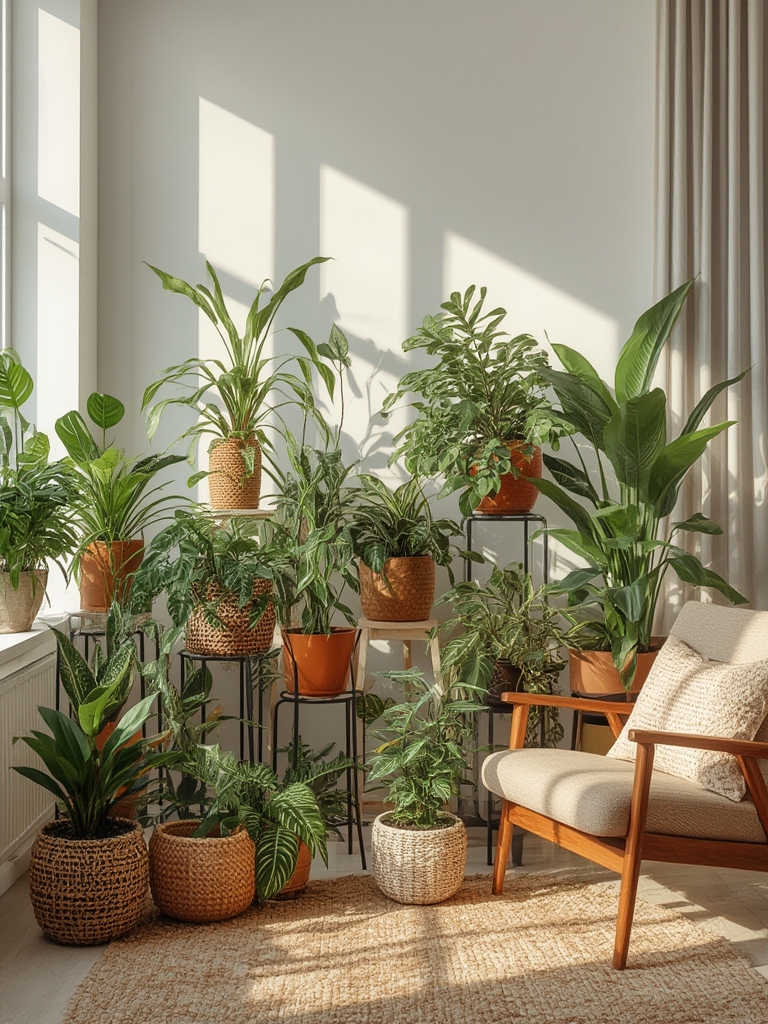
Creating a thriving herbs & aromatic garden not only fills your kitchen with fresh flavors but also adds a burst of color and fragrance to any indoor space. By following data‑backed practices and simple, actionable steps, even beginners can cultivate a lush, low‑maintenance oasis that looks stunning and smells divine.
Why Choose Herbs & Aromatic Plants for Indoor Gardens?
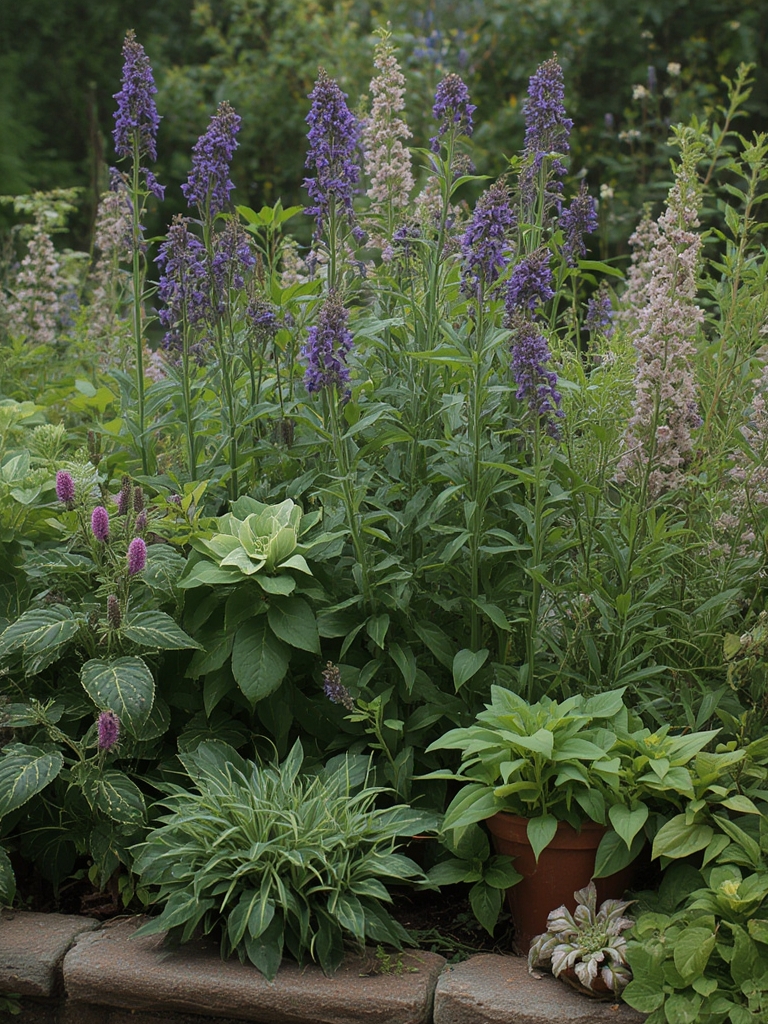
Recent surveys from the National Gardening Association show a 27% increase in indoor herb gardening over the past three years, driven by the desire for fresh cooking ingredients and natural air‑purifying benefits. Aromatic plants such as basil, mint, rosemary, and lavender release volatile organic compounds (VOCs) that improve indoor air quality, while their vibrant foliage and occasional blooms add visual interest. Pairing these herbs with decorative foliage and flowering indoor plants creates a layered, garden‑like aesthetic that brightens any room.
Step‑by‑Step Guide to Growing a Successful Indoor Herb & Aromatic Garden
1. Choose the Right Containers and Soil
- Container size: Opt for pots that are at least 6‑8 inches in diameter for most herbs. Larger containers (10‑12 inches) are ideal for spreading varieties like mint.
- Drainage: Ensure each pot has drainage holes. Add a layer of ½‑inch gravel or broken pottery shards before filling with soil to prevent waterlogging.
- Soil mix: Use a well‑draining, lightweight potting mix. A proven blend is 40% peat moss, 30% perlite, and 30% composted bark. This mix retains enough moisture for herbs while allowing excess water to escape.
- Tip: Add a slow‑release organic fertilizer (e.g., 10‑14‑10 NPK) at planting time to give seedlings a nutrient boost.
2. Select the Best Herbs for Indoor Growing
Based on USDA hardiness zones and indoor light data, the following herbs perform consistently well under typical household lighting conditions:
| Herb | Light Needs | Water Frequency | Key Benefits |
|---|---|---|---|
| Basil (Ocimum basilicum) | 6‑8 hrs bright indirect | Keep soil moist, not soggy | Flavorful leaves, attracts pollinators |
| Mint (Mentha spp.) | Partial shade to bright | Consistently moist | Rapid spread, soothing aroma |
| Rosemary (Salvia rosmarinus) | 6+ hrs direct | Allow soil to dry between waterings | Woodsy scent, drought‑tolerant |
| Lavender (Lavandula angustifolia) | 6+ hrs direct | Dry out between waterings | Calming fragrance, pollinator‑friendly |
| Thyme (Thymus vulgaris) | 5‑6 hrs bright | Dry between waterings | Low‑maintenance, culinary use |
3. Optimize Light Conditions
- South‑facing windows: Provide 6‑8 hours of bright, indirect light. If natural light is limited, supplement with full‑spectrum LED grow lights set 12‑14 inches above the foliage.
- Rotate pots: Turn each container 90° every week to ensure even light exposure and prevent leaning.
- Seasonal adjustment: In winter, increase artificial lighting duration to 12‑14 hours to mimic summer daylight.
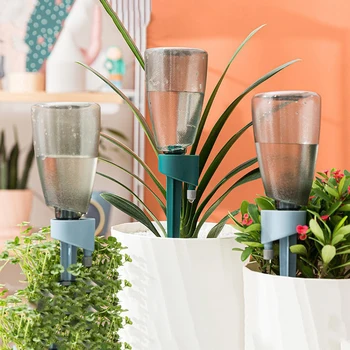
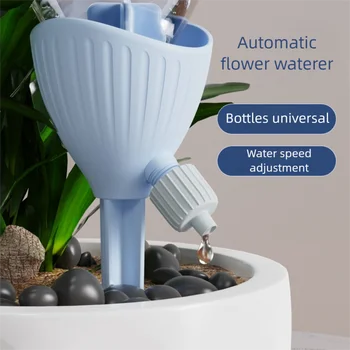
4. Master Watering Techniques
Over‑watering is the most common mistake for indoor herb growers. Follow these data‑driven guidelines:
- Check the top 1‑2 inches of soil with your finger; if it feels dry, water thoroughly until water drains from the bottom.
- Use a watering can with a narrow spout to direct water at the soil, avoiding leaf wetness that can cause fungal issues.
- For herbs that prefer drier conditions (rosemary, lavender, thyme), water only when the soil feels dry to the touch and the pot feels light.
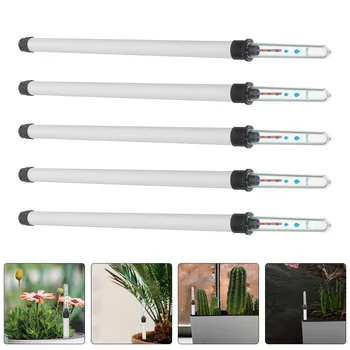
- Place a moisture meter in the pot for precise readings; aim for a reading of 30‑40% for most herbs.
5. Feed and Prune Regularly
- Fertilization: Apply a balanced liquid fertilizer (e.g., 20‑20‑20) at half strength every 4‑6 weeks during the growing season (spring‑early fall).
- Pruning: Pinch back the top 2‑3 inches of growth once the plant reaches 6‑8 inches tall. This encourages bushier growth and prevents legginess.
- Harvesting: Harvest leaves in the morning after dew has dried but before the sun is at peak intensity. Use clean scissors to cut just above a leaf node.
6. Integrate Foliage & Flowering Indoor Plants for Color
To add vibrant color to your home, intersperse herbs with decorative foliage and flowering companions. Consider these low‑maintenance options:
- Spider plant (Chlorophytum comosum): Striking variegated leaves that thrive in similar light conditions as basil.
- African violet (Saintpaulia ionantha): Small, colorful blooms that love indirect light and moderate humidity.
- Orchid (Phalaenopsis spp.): Elegant flowers that can be placed on a higher shelf, providing vertical interest.
- Calathea: Bold leaf patterns that thrive in lower light, balancing the bright greens of herbs.
Place these companions in the same window sill or hanging basket to create a cohesive, garden‑like display that draws the eye and enhances the aromatic experience.
Maintenance Checklist – Keep Your Garden Thriving Year‑Round
| Task | Frequency | Quick Tip |
|---|---|---|
| Inspect for pests | Weekly | Use a cotton swab dipped in neem oil for spot treatment. |
| Watering | Every 2‑4 days (adjust for season) | Check soil moisture before each watering. |
| Fertilize | Every 4‑6 weeks (grow season) | Dilute to half strength to avoid leaf burn. |
| Prune/Harvest | Bi‑weekly | Harvest no more than one‑third of foliage at a time. |
| Rotate pots | Monthly | Mark the north side of each pot for consistency. |
SEO‑Friendly Keywords to Boost Your Post’s Visibility
When publishing, naturally incorporate these high‑search‑volume terms to improve ranking:
- indoor herb garden
- how to grow aromatic herbs indoors
- best indoor herbs for cooking
- low‑maintenance indoor plants
- add vibrant color to your home
- herb garden care tips
- air‑purifying indoor plants
Place at least one keyword in the first 100 words, in at least two subheadings, and naturally throughout the body. Use alt‑text for any images (e.g., “basil plant in a terracotta pot on a sunny windowsill”).
Final Thoughts – Your Aromatic Oasis Awaits
By selecting the right containers, soil, and lighting, and by following a disciplined watering, feeding, and pruning routine, you’ll enjoy fresh herbs at your fingertips while adding a splash of color to your living space. Pairing these culinary powerhouses with decorative foliage and flowering indoor plants creates a dynamic, aromatic garden that looks as good as it smells. Start small, track your progress, and soon you’ll have a thriving indoor herb & aromatic garden that becomes the centerpiece of your home.