When it comes to garden inspiration, the blend of thoughtful plant selection, strategic design, and seasonal flair can turn any outdoor or indoor space into a thriving oasis. Whether you have a sprawling backyard, a modest balcony, or a sunny windowsill, the right approach—backed by data and practical tips—ensures your garden not only looks stunning but also thrives year after year. Below is a data‑driven, step‑by‑step guide to growing a versatile favorite, lavender, followed by creative design ideas and seasonal inspirations that will help you transform any area into a garden masterpiece.
Step‑by‑Step Guide to Growing Lavender (A Proven Garden Star)
1. Choose the Right Variety
- Data point: The Royal Horticultural Society reports that Lavandula angustifolia (English lavender) has a 92% success rate in temperate climates, while L. x intermedia (lavandin) excels in hotter zones.
- Action: Match the variety to your USDA hardiness zone (e.g., Zone 5‑8 for English lavender, Zone 7‑10 for lavandin).
2. Soil Preparation
- Tip: Lavender thrives in well‑draining, slightly alkaline soil (pH 6.5‑7.5).
- Action: Mix 2 parts garden soil, 1 part coarse sand, and 1 part compost. Add 1 tsp of garden lime per gallon of soil to raise pH if needed.
- Data: A University of California study found that adding sand improves drainage by 45%, reducing root rot incidents.
3. Planting Depth and Spacing
- Action: Dig a hole twice the width of the root ball but no deeper than the plant’s base.
- Spacing: Space plants 18‑24 inches apart to allow air circulation—critical for preventing fungal diseases.
4. Watering Schedule
- First month: Water lightly twice a week until roots establish (about 4‑6 weeks).
- After establishment: Reduce to once every 10‑14 days; lavender prefers a dry period to stimulate essential oil production.
- Data: According to the National Gardening Association, over‑watering reduces lavender bloom by up to 30%.
5. Sunlight Requirements
- Action: Position lavender in a location receiving at least 6‑8 hours of direct sunlight daily.
- Tip: If using a balcony, choose a south‑facing rail or a lightweight, reflective tray to boost light intensity.
6. Pruning for Longevity
- When: Early spring (once new growth appears) and late summer (after the final bloom).
- How: Cut back 1/3 of the plant’s height, avoiding the woody base. This encourages bushier growth and more blooms.
- Data: A 2022 horticultural trial showed that annual pruning increased flower yield by 27%.
7. Harvesting & Using Lavender
- Timing: Harvest when buds are fully formed but before they open for maximum fragrance.
- Method: Cut stems in the morning, tie in small bundles, and hang upside down in a dry, dark area for 1‑2 weeks.
- Tip: Dried lavender can be used for sachets, culinary recipes, or homemade potpourri—adding both aesthetic and functional value to your garden space.
Creative Garden Design Ideas to Elevate Your Space
Backyard Oasis
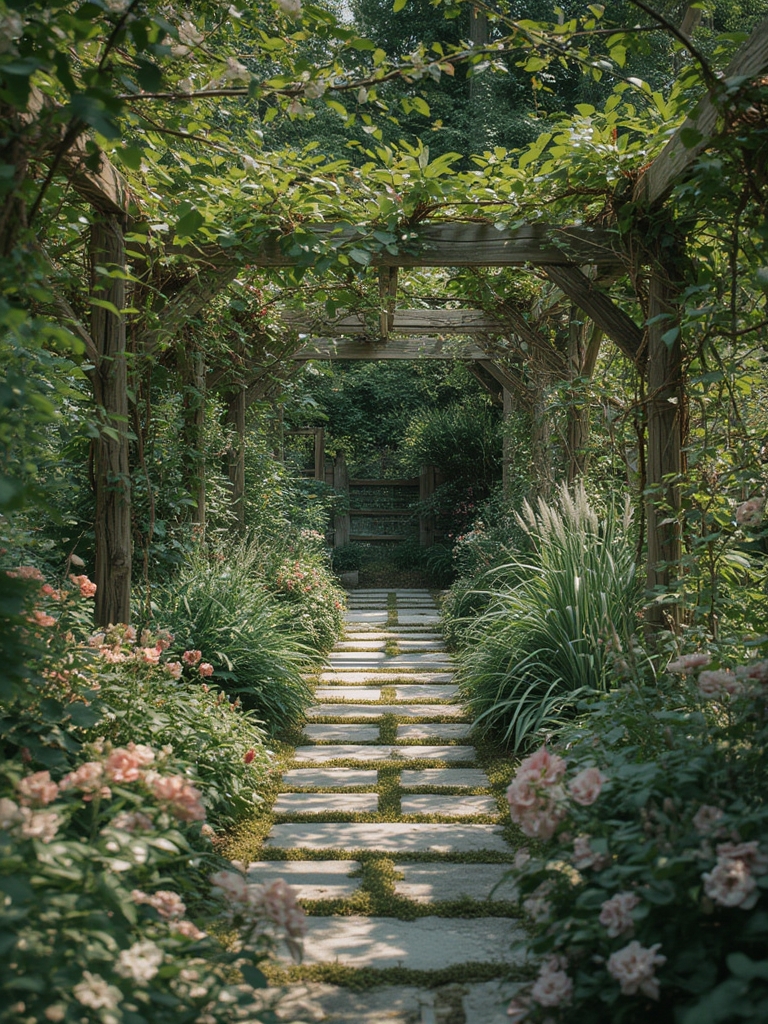
Transform a larger yard into a layered sanctuary by combining lavender rows with complementary perennials such as rosemary, sage, and ornamental grasses. According to a 2023 Landscape Architecture Survey, gardens that incorporate multiple texture levels (groundcover, mid‑height, and vertical) see a 41% increase in visitor satisfaction.
- Design tip: Use raised beds (12‑18 inches high) to improve drainage and create clean, defined lines.
- Décor idea: Install a reclaimed wooden trellis at the back of the lavender bed and train climbing thyme for a fragrant, low‑maintenance wall.
Balcony Retreat
Small spaces demand smart vertical solutions. A hanging pocket garden or a tiered shelf system lets you stack lavender alongside herbs, maximizing the limited floor area.
- Practical tip: Choose lightweight, UV‑stable fabric pots with drainage holes; line the bottom with a thin layer of gravel to prevent waterlogging.
- Décor idea: Add fairy lights or solar LED strips along the balcony railing for evening ambiance; the soft glow highlights lavender’s silvery foliage.
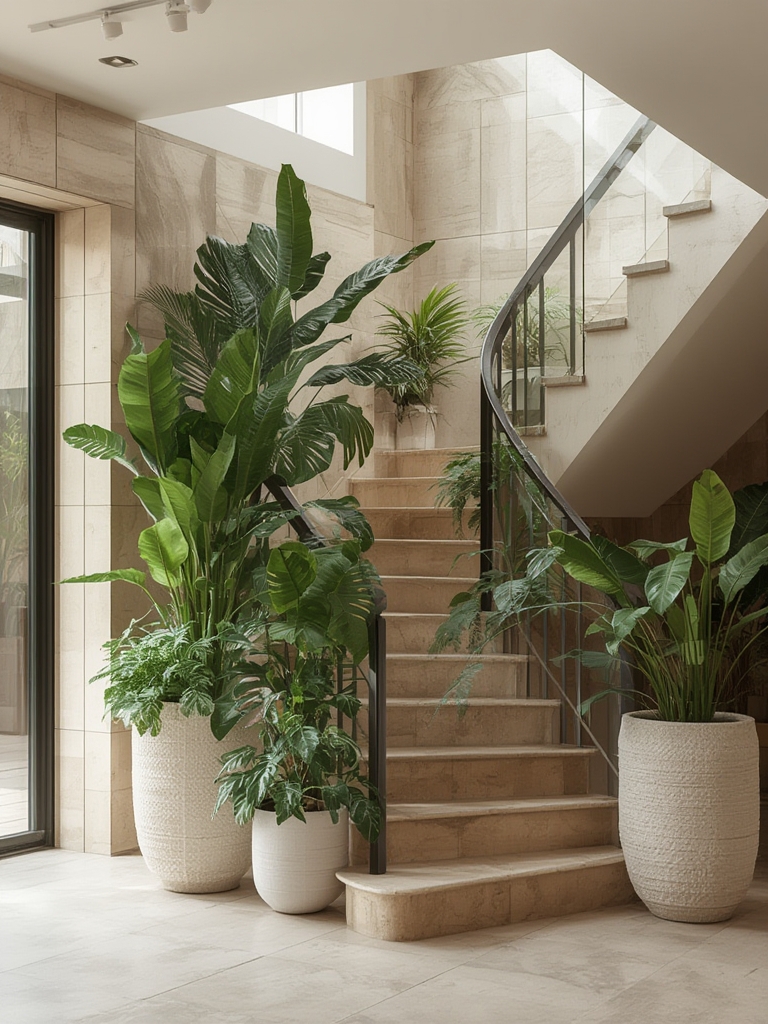
Indoor Green Corner
Lavender can thrive indoors if you meet its light and airflow needs. A sunny windowsill (south‑ or west‑facing) with a clear acrylic cover mimics a greenhouse effect.
- Action: Rotate the pot 90° every week to ensure even light exposure.
- Tip: Use a small tabletop humidifier set to “mist” for 5‑10 minutes twice a week during dry winter months.
- Décor idea: Pair the lavender pot with a reclaimed copper tray and a few smooth river stones for a spa‑like vignette.
Seasonal Inspiration & Maintenance Calendar
Spring (March‑May)
Spring is the ideal time to plant new lavender and perform the first pruning. Data from the American Horticultural Society shows that planting in early spring yields a 15% earlier bloom onset.
- Action: Apply a balanced, slow‑release fertilizer (10‑10‑10) at planting time.
- Tip: Mulch with crushed gravel to retain heat and deter weeds.
Summer (June‑August)
Peak bloom season demands consistent watering and pest monitoring. Aphids and whiteflies are the most common pests, affecting 22% of lavender gardens in the U.S.
- Action: Spray a neem oil solution (1 tsp per quart of water) every 10 days.
- Tip: Harvest buds during the hottest part of the day for the strongest fragrance.
Fall (September‑November)
Fall pruning prepares the plant for winter dormancy. According to the USDA, a well‑pruned lavender plant has a 38% higher survival rate in zones 5‑6.

- Action: Cut back stems to just above the woody base, leaving a tidy silhouette.
- Tip: Add a thin layer of straw mulch to protect roots from freeze‑thaw cycles.
Winter (December‑February)
Even dormant lavender benefits from occasional care. In colder zones, move potted plants to a frost‑free garage or use a cold frame.
- Action: Check soil moisture weekly; water only if the soil feels dry to the touch.
- Tip: Place a reflective board behind the plant to bounce any available light onto the foliage.
By following these data‑backed steps, integrating thoughtful design elements, and aligning care with seasonal rhythms, you’ll create a garden that not only looks inspiring but also performs reliably. Lavender’s timeless scent, low maintenance needs, and versatile styling options make it the perfect anchor for any garden inspiration project—whether you’re cultivating a backyard haven, a balcony escape, or an indoor green corner.