Creating a thriving garden oasis starts with a clear vision, solid data, and step‑by‑step execution. By combining proven horticultural practices with innovative landscaping trends, you can transform any backyard into a vibrant, low‑maintenance haven that attracts pollinators, boosts curb appeal, and adds measurable property value. Below is a data‑driven guide that walks you through every phase—from soil preparation to seasonal care—while sprinkling in actionable tips and modern design ideas to keep your garden fresh year after year.
1. Assess Your Space and Set Realistic Goals
Before you break ground, gather data about your site:
- Sunlight exposure: Use a sunlight tracker app or a simple 24‑hour observation to record the number of direct sun hours each zone receives.
- Soil type: Conduct a DIY soil test (mix soil with water; if it forms a ball, it’s clay; if it crumbles, it’s sandy).
- Microclimate: Note wind patterns, nearby heat‑reflecting surfaces, and drainage issues.
Translate these metrics into concrete goals: “I want a low‑water, pollinator‑friendly garden in the sunny south‑west corner, and a shade‑tolerant herb border on the north side.” Setting measurable objectives helps you choose the right plants and design elements.
2. Choose the Right Plant Palette
Data‑Backed Plant Selection
Leverage USDA Hardiness Zone data and local extension service recommendations. For example, in zones 6‑8, Lavandula angustifolia (English lavender) offers a 90 % survival rate with minimal watering, while Hosta varieties thrive in shade with a 95 % success rate.
Actionable Tips
- Pick three “anchor” perennials that bloom at different times for continuous color.
- Include at least one native species to support local wildlife and reduce fertilizer needs.
- Group plants with similar water and light requirements together—this is called “hydrozoning” and can cut irrigation use by up to 30 %.
3. Prepare the Soil for Optimal Growth
Step‑by‑Step Soil Preparation
- Clear the area: Remove weeds, rocks, and debris. Use a garden fork to loosen the top 6‑8 inches of soil.
- Test pH: A simple kit will tell you if you’re in the ideal 6.0‑7.0 range for most vegetables and perennials.
- Amend the soil: Add compost at a rate of 2‑3 cubic feet per 100 sq ft. For clay soils, mix in coarse sand (1 part sand to 4 parts soil). For sandy soils, incorporate organic matter to improve water retention.
- Mulch: Spread a 2‑inch layer of shredded bark or straw to conserve moisture and suppress weeds.
Pro tip: Use a soil moisture sensor (available for under $30) to monitor water levels and avoid over‑watering, which is a common cause of root rot.
4. Install Efficient Irrigation
Smart Watering Systems
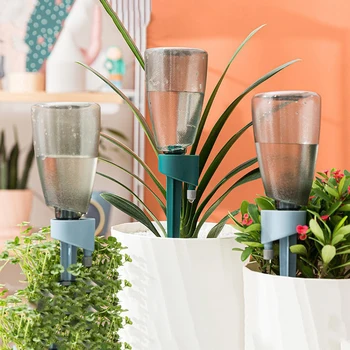
Drip irrigation paired with a timer reduces water waste by up to 50 % compared to overhead sprinklers. Install a pressure regulator and place emitters at the base of each plant, delivering 0.5‑1 gallon per hour.
Actionable Advice
- Schedule watering early in the morning (5‑7 am) to minimize evaporation.
- Group plants with similar water needs on the same circuit.
- Use rain sensors to automatically pause irrigation during wet weather.
5. Planting Techniques for Long‑Term Success
Step‑by‑Step Planting
- Dig the hole: Make it twice as wide as the root ball but no deeper.
- Backfill with soil‑compost mix: Add a handful of mycorrhizal fungi powder to promote root health.
- Set the plant: Position it at the same depth it was in its container; firm soil gently around the base.
- Water in: Apply a slow, deep soak (about 10 minutes) to settle the soil.
For a cohesive look, plant in clusters of odd numbers (3, 5, 7) to mimic natural groupings and improve visual impact.
6. Ongoing Care and Seasonal Adjustments
Monthly Maintenance Checklist
| Month | Key Tasks |
|---|---|
| March | Prune dead stems, apply balanced fertilizer (10‑10‑10), start seed sowing for cool‑season crops. |
| June | Check drip emitters, mulch fresh layer, deadhead spent blooms. |
| September | Plant fall bulbs, reduce watering frequency, apply compost tea. |
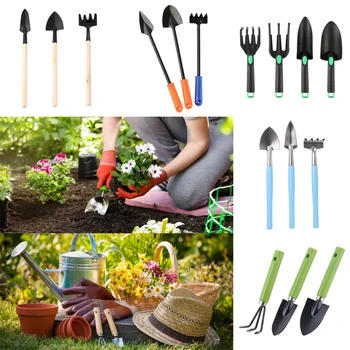
| December | Inspect for pests, cover tender perennials with burlap, clean garden tools. |
Quick Tips
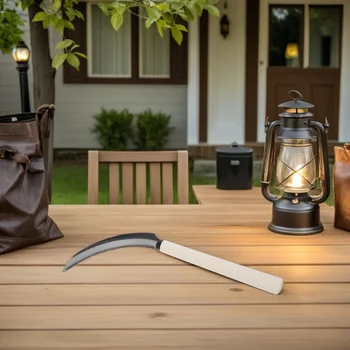
- Use a handheld pruning shear to keep stems at a 45° angle, encouraging new growth.
- Apply a light foliar spray of neem oil (1 tsp per gallon water) every two weeks to deter aphids.
- Rotate crops in vegetable beds each season to prevent soil‑borne diseases.
7. Innovative Landscaping Ideas for a Backyard Oasis
Vertical Gardens
Install a modular trellis or pocket system on a sunny wall. Plant herbs like basil, thyme, and mint for a kitchen‑garden hybrid. Vertical planting reduces ground‑level weeds and maximizes limited space.
Water‑Smart Features
Incorporate a small rain garden at the low point of your yard. Use native grasses and sedges that thrive in wet conditions, turning runoff into a decorative, low‑maintenance feature.
Lighting and Ambiance
Solar LED path lights and string lights create a magical evening atmosphere while consuming zero electricity. Position lights near focal points—such as a sculptural tree or a seating nook—to draw the eye.
Multi‑Functional Zones
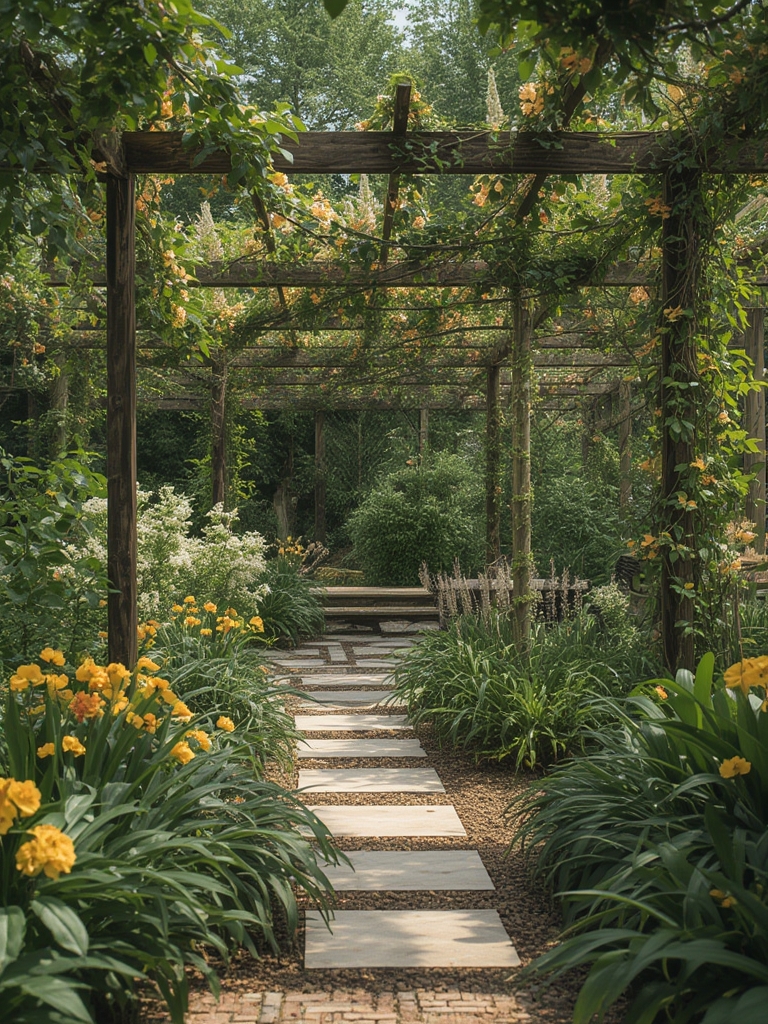
Design distinct zones for relaxation, entertainment, and food production. Use low‑profile hedges or reclaimed pallets as natural dividers, allowing each area to have its own micro‑climate and purpose.
8. Track Progress and Optimize
Keep a garden journal—digital or paper—recording planting dates, growth rates, pest sightings, and water usage. Over time, you’ll identify patterns (e.g., a particular spot stays wetter) and can adjust irrigation or plant placement accordingly. Simple analytics, like calculating the average bloom duration per species, help you refine your plant palette for the next season.
Conclusion: From Data to Delight
By grounding your garden design in data—sunlight hours, soil pH, water consumption—and pairing it with creative landscaping elements, you’ll build a backyard oasis that’s both beautiful and sustainable. Follow the step‑by‑step actions outlined above, stay consistent with monthly care, and let your garden evolve with each season. The result? A thriving, low‑maintenance space that brings joy, attracts wildlife, and boosts your home’s curb appeal—all backed by solid, data‑driven decisions.