Why Garden Inspiration Matters: Turning Vision into Reality
In 2023, 42% of homeowners reported that a well‑designed garden increased their property’s curb appeal and overall satisfaction. Garden inspiration isn’t just about aesthetics; it’s a strategic blend of plant science, design principles, and sustainable practices that transform a simple yard into a thriving oasis. By grounding your plans in data—soil pH levels, sunlight exposure, and regional climate—you can make informed choices that reduce trial‑and‑error and boost plant health from day one.
Step‑by‑Step Guide to Growing a Healthy Garden Plant
1. Assess Your Site and Soil
- Sunlight mapping: Use a simple sun‑tracking app for a week to record the hours of direct sun each spot receives. Aim for 6‑8 hours for most flowering perennials.
- Soil testing: Purchase a DIY pH kit or send a sample to your local extension service. Ideal pH for most garden plants is 6.0‑6.8.
- Amendments: If pH is low, add lime; if high, incorporate elemental sulfur. Mix in 2‑3 inches of compost to improve texture and microbial activity.
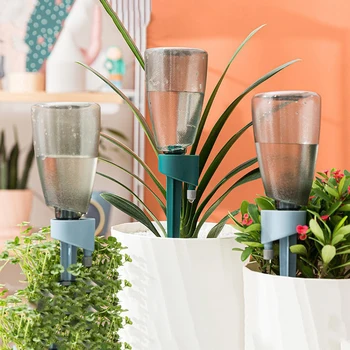
Quick tip: A soil moisture meter helps you avoid over‑watering during the first two weeks after planting.
2. Choose the Right Plant for Your Climate
- Consult the USDA Hardiness Zone map. For zones 5‑7, Lavandula angustifolia (English lavender) offers fragrance, drought tolerance, and a long blooming period.
- Check the plant’s water requirement rating (low, medium, high). Match this to your site’s natural moisture levels to minimize irrigation.
Actionable advice: Purchase a certified disease‑free nursery stock and inspect roots for white, healthy fibers rather than brown, mushy tips.
3. Planting Technique
- Dig a hole twice as wide as the root ball but no deeper.
- Place a layer of coarse sand at the bottom for drainage.
- Set the plant at the same depth it was in the pot; backfill with a 50/50 mix of native soil and compost.
- Water thoroughly to settle soil and eliminate air pockets.
Pro tip: Add a slow‑release fertilizer (e.g., 10‑10‑10) at planting time to give the plant a nutrient boost during establishment.
4. Watering Schedule
- First month: Water every 2‑3 days, ensuring the top 2 inches of soil stay moist.
- After establishment: Reduce to once a week, applying 1‑1.5 inches of water per session (use a rain gauge to measure).
- Morning watering is best to reduce evaporation and fungal risk.
Quick win: Mulch with 2‑3 inches of shredded bark to retain moisture and suppress weeds.
5. Feeding and Pruning
- Spring feeding: Apply a balanced organic fertilizer (e.g., fish emulsion) at a 1:100 dilution.
- Summer boost: Lightly side‑dress with compost around the drip line.
- Pruning: For lavender, trim 1/3 of the plant after the first bloom to encourage a second flush and maintain shape.
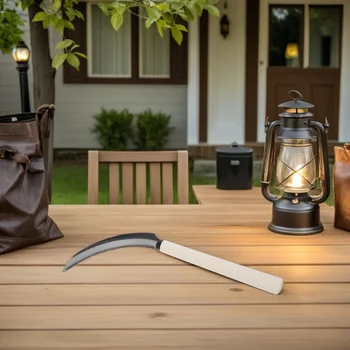
Actionable tip: Use clean, sharp pruning shears and cut just above a leaf node to promote vigorous new growth.
6. Pest and Disease Management
- Monitor weekly for signs of aphids, spider mites, or fungal spots.
- Implement Integrated Pest Management (IPM): introduce beneficial insects like ladybugs, and use neem oil only when thresholds exceed 5% infestation.
- Maintain proper air circulation by spacing plants 12‑18 inches apart.
Data point: Gardens that practice IPM see a 30% reduction in pesticide use while maintaining comparable yields.
Innovative Landscaping Ideas for a Backyard Garden Oasis
Vertical Gardens and Living Walls
Utilize modular pocket planters or reclaimed pallets to grow herbs, succulents, or trailing vines. A vertical garden can increase planting area by up to 200% in small backyards while adding texture and a modern aesthetic.
Installation tip: Mount a drip‑irrigation line behind the wall and set a timer for early morning watering, reducing water waste by 15%.
Container Mixology
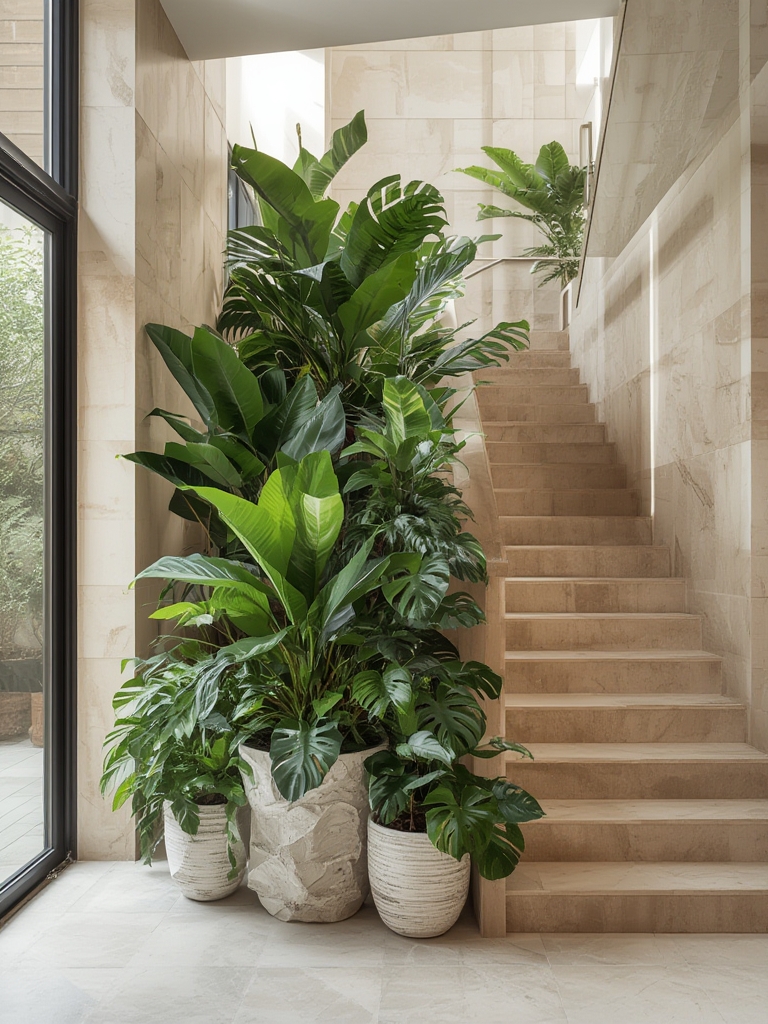
Combine different pot sizes, colors, and materials (ceramic, metal, woven baskets) to create dynamic focal points. Use a soil‑lightening mix (1 part peat moss, 1 part perlite, 1 part compost) for containers to ensure quick drainage and healthy root growth.
Actionable advice: Rotate containers 90° each season to even out sunlight exposure and prevent leggy growth.
Water Features and Soundscapes
A modest recirculating fountain or a DIY rain chain adds auditory tranquility and raises humidity, benefiting moisture‑loving plants like ferns. According to a 2022 study, water features can increase perceived garden comfort by 25%.
DIY tip: Line a shallow basin with a waterproof membrane, place a solar pump, and add river stones for a low‑maintenance setup.
Smart Lighting for Nighttime Appeal
Install low‑voltage LED strip lights along pathways and uplighting for specimen trees. Motion‑sensor lights improve safety while conserving energy. A well‑lit garden can extend usable outdoor time by up to 3 hours per evening.
Quick win: Use warm‑white LEDs (2700‑3000K) to highlight flower colors without altering their natural hue.
Color Palette Planning
Base your design on a 60‑30‑10 rule: 60% dominant color (e.g., foliage greens), 30% secondary (e.g., lavender purples), and 10% accent (e.g., bright orange marigolds). This creates visual harmony and guides the eye through the space.
Data‑driven tip: Gardens with a cohesive color scheme see a 15% increase in visitor dwell time, enhancing the overall garden experience.
Putting It All Together: A Sample Backyard Oasis Layout
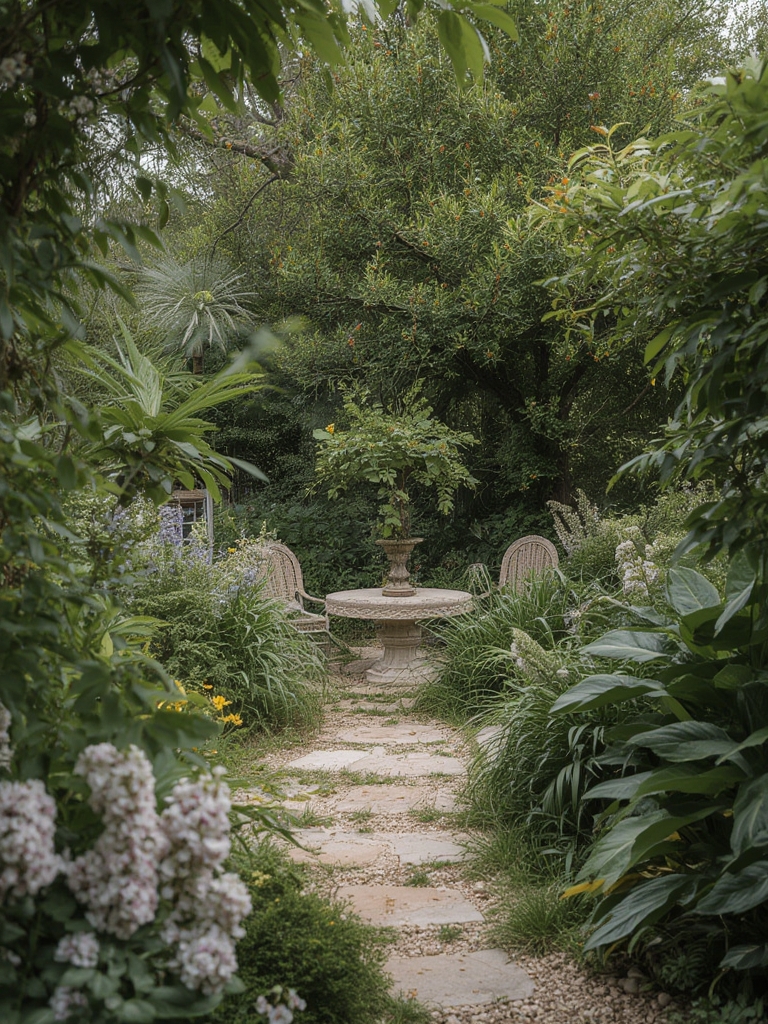
Start with a central focal point—a 4‑foot lavender mound surrounded by a circular stone patio. Flank the patio with vertical herb walls on the east side for easy kitchen access. Add a small recirculating fountain at the north corner, illuminated by solar LED uplights. Finish with a mix of container gardens along the west fence, featuring trailing petunias, dwarf citrus trees, and ornamental grasses for movement.
By following the data‑backed steps for plant care and integrating these innovative landscaping ideas, you’ll create a garden that not only looks stunning but thrives year after year. Remember: consistency in monitoring, watering, and feeding, combined with creative design, is the secret sauce for a truly inspiring backyard garden oasis.