Flower gardening is one of the most rewarding ways to add color, fragrance, and biodiversity to your outdoor space. By focusing on data‑driven choices—such as selecting perennials with proven hardiness, bloom length, and low maintenance requirements—you can create a garden that looks vibrant year after year with minimal effort. Below is a step‑by‑step guide that blends scientific insights with practical, actionable tips to help you grow thriving perennial flower beds.
1. Planning Your Perennial Flower Bed
Assess Your Site Conditions
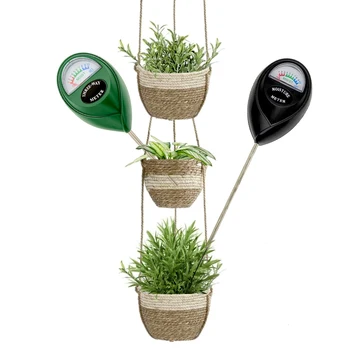
- Sun exposure: Use a sunlight meter or the “shadow test” (place a stick in the ground and track shadow length) to record how many hours of direct sun each area receives. Most perennials need 6–8 hours of full sun for optimal bloom.
- Soil type: Conduct a simple jar test: fill a clear jar with soil, water, and shake. Let it settle for 24 hours. Sand settles fastest, clay stays suspended longest. Aim for loamy soil (balanced sand, silt, and clay) for best drainage.
- pH level: Purchase a cheap pH test kit. Most perennials thrive in a pH of 6.0–7.0. If needed, amend with lime (to raise pH) or sulfur (to lower pH).
Select Data‑Backed Perennials
Based on USDA hardiness zones 5‑9, the following perennials consistently rank high for bloom duration, pest resistance, and ease of care:
- Echinacea (Coneflower): 90‑120 days of bloom, attracts pollinators, drought‑tolerant.
- Rudbeckia (Black‑eyed Susan): 80‑100 days, thrives in poor soils, excellent for cut‑flowers.
- Lavandula (Lavender): 70‑90 days, aromatic foliage, low water needs.
- Salvia nemorosa (Wood Sage): 75‑95 days, heat‑resistant, self‑seeds responsibly.
- Hemerocallis (Daylily): 60‑80 days per stem, virtually pest‑free, adaptable to many soils.
Design for Continuous Color
Map out a color succession chart using bloom calendars (available from most seed catalogs). Place early‑season bloomers (e.g., Phlox subulata) on the front edge, mid‑season perennials (e.g., Echinacea) in the middle, and late‑season varieties (e.g., Aster) toward the back. This layering ensures at least 6‑8 months of visual interest.
2. Soil Preparation & Planting
Amend the Soil
- Remove all weeds and debris from the planting area.
- Loosen the top 12‑18 inches of soil with a garden fork or rototiller.
- Incorporate 2–3 inches of compost or well‑rotted manure to improve organic matter and water retention.
- If the soil is heavy clay, add 1 part coarse sand per 4 parts soil to enhance drainage.
Planting Depth & Spacing
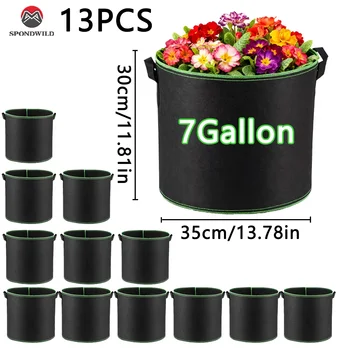
- Dig a hole twice as wide as the root ball but no deeper than the plant’s original growing depth.
- Place the plant so the crown sits 1‑2 inches below the soil surface; deeper planting can cause crown rot.
- Follow spacing guidelines (e.g., Echinacea 18‑24 inches apart) to allow air circulation and reduce fungal disease risk.
Watering Right After Planting
Give each new planting a deep soak (about 1 inch of water) immediately after placement. This settles the soil around the roots and eliminates air pockets.
3. Ongoing Care & Maintenance
Irrigation Strategies
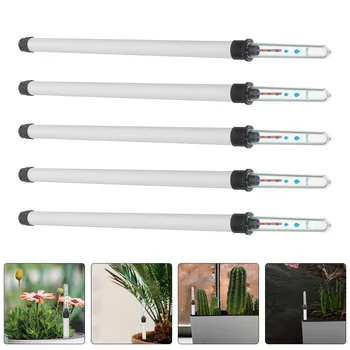
Use a soil moisture sensor or the “finger test” (insert a finger 2 inches deep). Water only when the top 2 inches feel dry. Early morning watering reduces evaporation and leaf‑wetness, lowering disease pressure.
Mulching for Moisture & Weed Control
- Apply a 2‑3 inch layer of organic mulch (shredded bark, straw, or leaf mold) around each plant.
- Keep mulch a few inches away from stems to prevent stem rot.
- Refresh mulch annually in spring to maintain a fresh barrier.
Fertilization Schedule
- Early spring (March‑April): Apply a balanced slow‑release fertilizer (10‑10‑10) at 1 lb per 100 sq ft.
- Mid‑season (June): Spot‑feed with a liquid kelp extract for micronutrients, especially if you notice slower growth.
- Fall (September‑October): Add a low‑nitrogen, high‑phosphorus fertilizer (5‑10‑10) to promote root development for next year.
Pruning & Deadheading
Regular deadheading (removing spent blooms) extends the flowering period by up to 30 %. Use clean, sharp scissors and cut just above the first set of healthy leaves. For woody perennials like lavender, prune back 1/3 of the plant in early spring to encourage bushier growth.
Pest & Disease Management
- Integrated Pest Management (IPM): Monitor weekly for aphids, spider mites, and slugs. Use sticky traps and hand‑pick large pests.
- Biological controls: Release beneficial insects (ladybugs, lacewings) to naturally curb aphid populations.
- Fungus prevention: Ensure proper spacing and airflow; apply a copper‑based fungicide at the first sign of powdery mildew.
4. Seasonal Tasks for Longevity
Spring Refresh
Remove any winter mulch, clear debris, and perform a light soil aeration with a garden fork. Divide overcrowded perennials (e.g., daylilies) every 3‑4 years to rejuvenate vigor.

Summer Maintenance
Check moisture levels daily during heat waves. If water is scarce, consider a drip‑irrigation system with a timer set to 30‑minute intervals, delivering water directly to the root zone.
Fall Preparation
After the first frost, cut back foliage to 2‑3 inches above ground. This reduces overwintering pest habitats and improves spring emergence. Add a final layer of mulch to insulate roots from freeze‑thaw cycles.
Winter Protection
In colder zones (USDA 5‑6), cover delicate perennials with burlap or a frost blanket during extreme cold snaps. For container plants, move pots to a sheltered location (garage or shed) and wrap pots with bubble wrap for added insulation.
5. Measuring Success & Adjusting
Track Bloom Duration
Maintain a simple spreadsheet: list each variety, planting date, first bloom, peak bloom, and last bloom. Over a few seasons, you’ll identify which plants truly deliver the longest color span.
Soil Health Checks
Every 2‑3 years, send a soil sample to a local extension service. Adjust organic matter and pH based on the report to keep the soil fertile and balanced.
Continuous Learning
Join local gardening clubs or online forums (e.g., GardenWeb, Reddit r/gardening). Share your data, ask questions, and adopt new cultivars that have proven performance in your region.
By following these data‑driven steps—starting with accurate site assessment, choosing resilient perennials, and maintaining a disciplined care routine—you’ll enjoy a garden that bursts with color from early spring through late autumn, year after year. Happy planting!