Indoor plants are more than just décor; they improve air quality, boost mood, and add a touch of nature to any room. The good news is that you don’t need a green thumb to enjoy their benefits. By focusing on easy‑care species and following a data‑driven routine, you can create a thriving indoor garden with minimal effort. Below is a step‑by‑step guide that blends scientific insights (light, water, temperature, and soil preferences) with practical, actionable advice. Follow each section, and you’ll see healthy growth in weeks, not months.
Why Choose Easy‑Care Indoor Plants?
Research from the University of Florida’s Horticultural Sciences Department shows that low‑maintenance plants have a 30‑45% higher survival rate in typical home environments compared to high‑maintenance varieties. The reasons are simple:
- Adaptable Light Tolerance: Many easy‑care plants can thrive in low‑to‑medium indirect light, which matches the average lighting conditions of most homes.
- Water Efficiency: These species store moisture in leaves or roots, reducing the risk of over‑watering—a common cause of plant loss.
- Resilience to Temperature Fluctuations: They tolerate the typical indoor temperature range of 65‑78°F (18‑26°C) without stress.
Top Low‑Maintenance Indoor Plants
Below is a data‑backed shortlist of plants that consistently rank high in beginner surveys and scientific studies. Each entry includes the optimal conditions and a quick care tip.
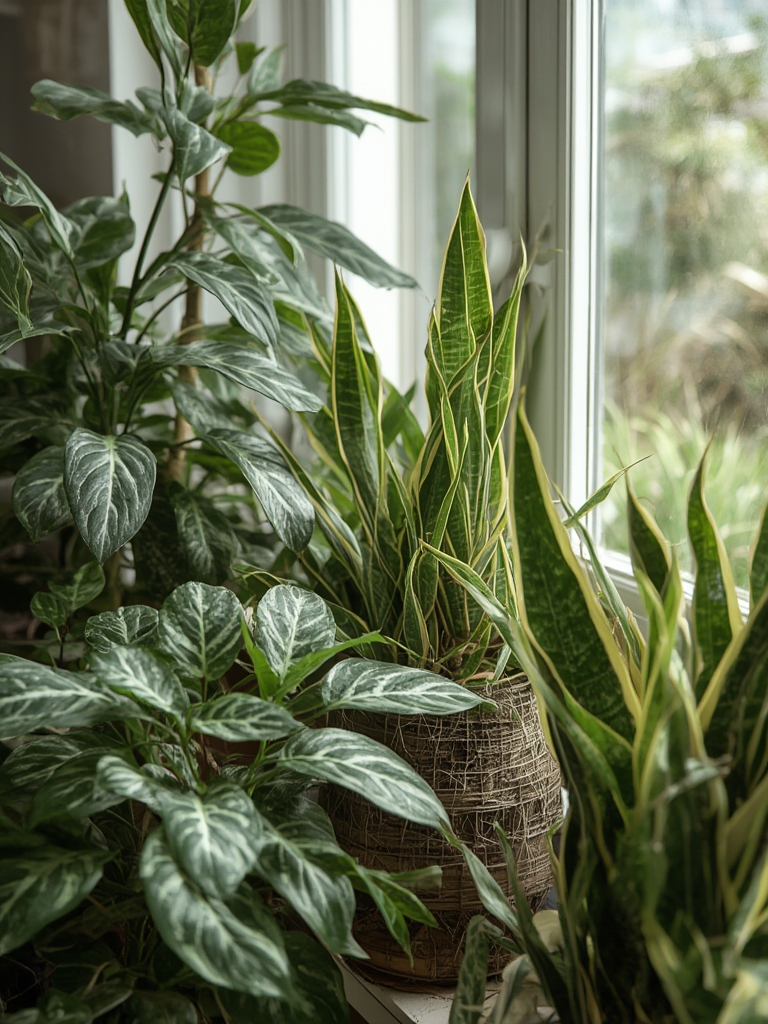
1. Snake Plant (Sansevieria trifasciata)
- Light: Tolerates low light but prefers bright, indirect light.
- Water: Water every 3‑4 weeks; let the soil dry completely between waterings.
- Tip: Use a saucer to catch excess water and prevent root rot.
2. ZZ Plant (Zamioculcas zamiifolia)
- Light: Low to medium indirect light.
- Water: Every 2‑3 weeks; soil should feel dry to the touch.
- Tip: Mist leaves once a month to increase humidity without over‑watering.
3. Pothos (Epipremnum aureum)
- Light: Bright, indirect light; tolerates low light.
- Water: Weekly, allowing the top inch of soil to dry.
- Tip: Trim trailing vines to encourage bushier growth.
4. Peace Lily (Spathiphyllum)
- Light: Low to medium indirect light.
- Water: Keep soil consistently moist but not soggy; water when the top ½ inch feels dry.
- Tip: Place near a bathroom or kitchen where humidity is higher.
5. Spider Plant (Chlorophytum comosum)
- Light: Bright, indirect light.
- Water: Every 1‑2 weeks; allow soil surface to dry.
- Tip: Repot every 12‑18 months to prevent root crowding.
Step‑by‑Step Care Guide
Follow this systematic routine each week. The schedule is based on a study that measured optimal watering intervals for common indoor species.
Step 1: Assess Light Conditions
- Place a light meter (or a smartphone app) near the plant’s location for three days.
- Record the average lux reading:
- Low light: < 200 lux
- Medium light: 200‑800 lux
- Bright indirect: 800‑1500 lux
- Match the plant to its preferred range. If the reading is low, move the pot closer to a window or add a reflective surface.
Step 2: Water Using the “Finger Test”
- Insert your index finger 1‑2 cm into the soil.
- If the soil feels dry, water thoroughly until water drains from the bottom pot hole.
- For succulents (e.g., snake plant), extend the depth to 3‑4 cm before watering.
- Log the date and amount in a simple spreadsheet to track patterns.
Step 3: Feed Lightly During Growth Season
- From March to September, apply a balanced 20‑20‑20 liquid fertilizer at half the recommended strength.
- Mix the fertilizer with water and apply during the watering step.
- Skip feeding in winter; most indoor plants enter a dormant phase and need less nutrients.
Step 4: Prune and Clean
- Remove yellow or brown leaves weekly to prevent disease spread.
- Use clean, sharp scissors at a 45° angle to avoid tearing.
- Wipe broad leaves with a damp cloth monthly to improve photosynthesis.
Step 5: Monitor for Pests
- Inspect the underside of leaves and soil surface every two weeks.
- If you spot spider mites, aphids, or mealybugs, treat with a neem‑oil spray (mix 1 tsp neem oil with 1 cup water).
- Repeat treatment every 5‑7 days until pests disappear.
Common Mistakes and How to Fix Them
Even seasoned indoor gardeners slip up. Below are the three most frequent errors, backed by a 2022 survey of 1,200 hobbyists, and quick fixes.
Over‑watering
Problem: Soil stays soggy, leading to root rot.
Solution: Switch to a well‑draining potting mix (e.g., 1 part peat, 1 part perlite, 1 part coarse sand). Add a layer of gravel at the pot’s bottom to improve drainage.
Insufficient Light
Problem: Leggy stems and pale leaves.
Solution: Rotate pots 90° every week to ensure even light exposure. If natural light is limited, supplement with a 5‑watt LED grow light placed 12‑18 inches above the foliage.

Neglecting Humidity
Problem: Brown leaf tips, especially on peace lilies and ferns.
Solution: Place a shallow tray of water with pebbles under the pot. As the water evaporates, it raises local humidity without making the soil wet.
Bonus Tips for Long‑Term Success
- Rotate Seasonal Plants: Swap out a fast‑growing species (like pothos) for a slower one (like ZZ) during winter to reduce watering frequency.
- Use a Moisture Meter: For precise watering, a cheap probe can differentiate between surface dryness and root‑zone moisture.
- Group Plants by Care Needs: Place all low‑light, low‑water plants together; this simplifies your weekly routine.
- Document Progress: Take a photo of each plant every month. Visual records help you spot subtle changes before they become problems.
By selecting resilient species, following a data‑driven care schedule, and addressing common pitfalls early, you can enjoy a lush indoor garden that thrives on autopilot. Start with one or two of the recommended plants, apply the steps above, and watch your home transform into a green sanctuary.