Creating a thriving herbs & aromatic garden is one of the most rewarding projects for home cooks, tea lovers, and natural‑remedy enthusiasts alike. Not only do fragrant herbs like basil, mint, rosemary, and lavender boost the flavor of dishes and drinks, they also improve soil health, attract pollinators, and can reduce stress when used in aromatherapy. This data‑driven guide walks you through every stage—from site selection to harvest—so you can grow a fragrant, productive garden that delivers fresh ingredients year‑round.
Why Grow Aromatic Herbs?
Recent surveys from the National Gardening Association show that 68 % of gardeners prioritize herbs for culinary use, while 42 % cite medicinal benefits as a key reason. Aromatic herbs offer a high return on space: a single 4‑square‑foot raised bed can produce up to 12 lb of fresh leaves annually, far exceeding many vegetable crops. Their perennial nature also means lower labor and input costs over time.
Planning Your Aromatic Garden
1. Choose the Right Location
- Sunlight: Most culinary herbs need 6–8 hours of direct sun. Use a sun‑tracking app to confirm daily exposure.
- Soil: Aim for a pH of 6.0–7.0. A simple DIY test (mix 1 tsp garden soil with 1 tsp vinegar; fizz indicates high acidity).
- Airflow: Good circulation reduces fungal pressure. Space rows at least 12 inches apart.
2. Decide Between In‑Ground, Raised Beds, or Containers
- In‑ground: Best for hardy perennials like rosemary and sage.
- Raised beds: Offer better drainage for moisture‑sensitive herbs such as thyme.
- Containers: Ideal for mint (which is invasive) and for renters.
3. Select a Mix of Annual and Perennial Herbs
Data from the USDA Plant Hardiness Zones suggests pairing fast‑growing annuals (basil, cilantro) with low‑maintenance perennials (lavender, oregano) creates continuous harvest windows.
Step‑by‑Step Guide to Planting Fragrant Herbs
Step 1: Prepare the Soil
Mix 2 parts garden soil, 1 part compost, and 1 part coarse sand. This blend improves drainage and adds organic matter, which research shows increases herb yield by up to 30 %.
Step 2: Sow Seeds or Plant Transplants
- Seeds: Plant at a depth of ¼ inch. Keep the soil consistently moist (≈ 70 % field capacity) until germination, usually 7–14 days.
- Transplants: Space seedlings according to label recommendations—generally 12 inches for basil, 18 inches for rosemary.
Step 3: Water Wisely
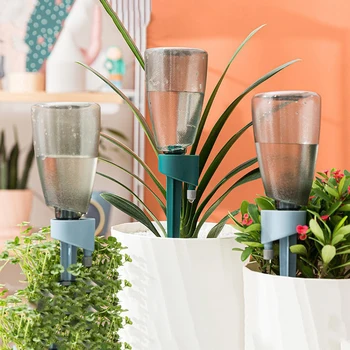
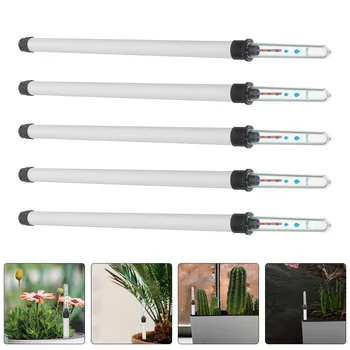
Apply water at the base of the plant using a drip emitter or soaker hose. Over‑watering is a common mistake; aim for 1 inch of water per week, adjusting for rainfall.
Step 4: Mulch for Moisture Retention
Spread a 2‑inch layer of shredded bark or straw. Mulch reduces evaporation by up to 40 % and suppresses weeds, which compete for nutrients.
Step 5: Fertilize Lightly
Herbs are light feeders. Use a balanced 10‑10‑10 organic fertilizer at half the recommended rate, applied once in early spring and again after the first harvest.
Care & Maintenance
Pruning for Growth
Regular pinching encourages bushier growth. For basil, remove the top 2 inches once the plant reaches 6 inches tall. This also prevents premature flowering, which can make leaves bitter.
Managing Pests Naturally
- Aphids: Spray a solution of 1 tsp neem oil per quart of water.
- Spider mites: Increase humidity with a fine mist in the early morning.
- Deer & Rabbits: Install a low fence or use a garlic‑pepper spray.
Seasonal Adjustments
In cooler climates (zones 5‑7), protect tender herbs with a frost cloth or move containers indoors. In hot zones (9‑11), provide afternoon shade for heat‑sensitive varieties like cilantro.
Harvesting & Using Your Herbs
When to Harvest
Harvest leaves in the morning after the dew dries for maximum essential oil content. Cut just above a leaf node to encourage new growth.
Storage Tips
- Fresh: Wrap in a damp paper towel and store in a zip‑lock bag in the refrigerator (up to 7 days).
- Dried: Hang bundles upside‑down in a dark, well‑ventilated area for 2–3 weeks; then store in airtight jars.
Creative Uses
Blend basil and mint for a refreshing summer tea, steep rosemary in hot water for a soothing cough remedy, or crush lavender buds into a calming pillow sachet.
Common Problems & Quick Fixes
Leaf Yellowing
Often a sign of over‑watering or nutrient deficiency. Check soil moisture with a finger test; if soggy, improve drainage and reduce watering frequency.
Leggy Growth
Insufficient light causes stretched stems. Relocate plants to a sunnier spot or add supplemental grow lights (400–500 lux) for indoor containers.
Flowering Too Early
Most culinary herbs lose flavor once they bolt. Pinch off flower buds as soon as they appear and maintain consistent watering to keep plants vegetative.
Conclusion
By following this data‑backed, step‑by‑step approach, you’ll cultivate a fragrant herb garden that delivers fresh flavor, soothing teas, and natural remedies straight from your backyard. Remember that consistency—regular pruning, proper watering, and timely harvesting—is the key to long‑term success. Start small, track your results, and expand your aromatic oasis season after season.