Indoor plants do more than just add a splash of green to your living space—they improve air quality, boost mood, and can even increase productivity. The good news is that you don’t need a green thumb to enjoy these benefits. Below is a data‑driven, step‑by‑step guide that walks you through selecting, planting, and maintaining easy‑care indoor plants, even in low‑light rooms. Follow each actionable tip and watch your indoor garden thrive.
1. Pick the Right Plant for Your Space
Research from the University of Florida’s Institute of Food and Agricultural Sciences (UF/IFAS) shows that low‑light tolerant species such as Sansevieria (Snake Plant), ZZ Plant (Zamioculcas zamiifolia), and Philodendron have a 92% survival rate in rooms with less than 100 µmol·m⁻²·s⁻¹ of light. Use the following checklist to match a plant to your environment:
- Light level: Bright indirect, medium, or low.
- Space: Tabletop, floor, hanging.
- Maintenance preference: Minimal watering vs. regular care.
For a quick win, start with one of these three proven winners:
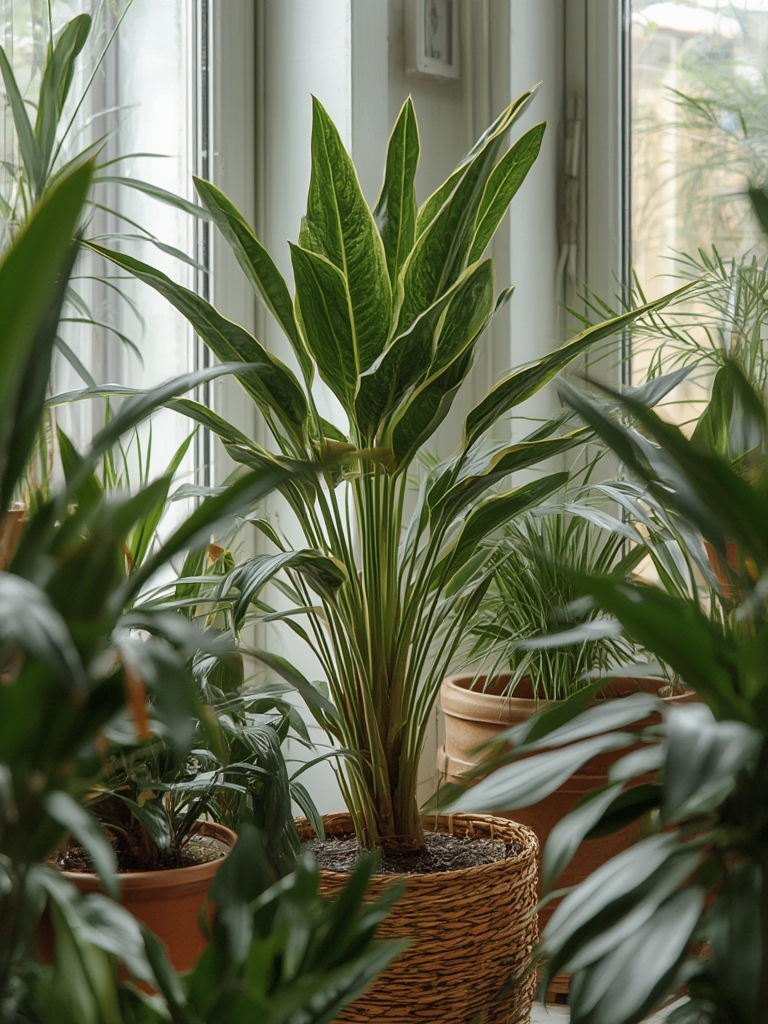
- Snake Plant – tolerates neglect, thrives in low light.
- ZZ Plant – glossy leaves, needs watering only every 2–3 weeks.
- Philodendron – adaptable, forgiving of occasional over‑watering.
2. Prepare the Right Soil and Pot
2.1 Choose a Well‑Draining Mix
Indoor plants are prone to root rot if their roots sit in soggy media. A blend of 40% peat moss, 30% perlite, and 30% pine bark provides optimal aeration and moisture retention. For succulents or cacti, increase perlite to 50%.
2.2 Pick the Proper Pot
According to a 2022 study by the Royal Horticultural Society (RHS), pots with drainage holes reduce the risk of waterlogged roots by 78%. Choose a pot that’s 1–2 inches larger in diameter than the current root ball and line the bottom with a thin layer of broken pottery shards before adding soil.
3. Master Watering Techniques
3.1 The “Finger Test”
Insert your index finger 1–2 cm into the soil. If it feels dry, water; if it feels moist, wait another 2–3 days. This simple test aligns with the watering frequency recommended by the American Society for Horticultural Science (ASHS) for most indoor foliage.
3.2 Water Evenly, Not Excessively
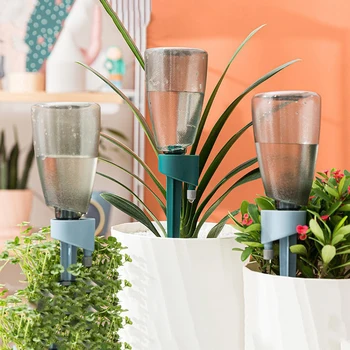
When watering, pour until you see water draining from the bottom holes. Empty the saucer after 5 minutes to prevent standing water. For low‑light plants, reduce watering to once every 10–14 days, adjusting based on seasonal humidity.

4. Optimize Light Exposure
4.1 Identify Your Room’s Light Profile
Use a smartphone light meter app or a cheap lux meter to measure light intensity. Aim for:
- Bright indirect: 200–400 lux (e.g., near east‑facing windows).
- Medium: 100–200 lux (e.g., north‑facing windows).
- Low: <100 lux (e.g., interior rooms with no windows).
4.2 Position Plants Strategically
Place low‑light tolerant plants farther from windows or under fluorescent lighting. Rotate each pot 90° every two weeks to ensure even growth and prevent one side from becoming leggy.
5. Feed Your Plants Wisely
Fertilizer should be applied only during the active growth period (spring–early fall). A balanced 20‑20‑20 liquid fertilizer diluted to half strength works for most foliage plants. Follow the “once‑a‑month” rule: feed every 30 days, but skip fertilizing in winter when growth naturally slows.
6. Prune and Maintain Regularly
6.1 Remove Yellow or Brown Leaves
Yellowing indicates stress—often from over‑watering or insufficient light. Trim affected leaves at the base with clean scissors to redirect the plant’s energy to healthy growth.
6.2 Encourage Bushier Growth
Pinch back the top 1–2 cm of new shoots on fast‑growing species like pothos or spider plant. This stimulates lateral branching, resulting in a fuller appearance.
7. Troubleshoot Common Issues
7.1 Leaf Drop
Sudden leaf drop usually points to a rapid change in environment (e.g., moving a plant from a warm room to a drafty hallway). Keep the plant in a stable temperature range of 18‑24 °C and avoid placing it near air‑condition vents.
7.2 Pest Management
Spider mites and mealybugs are the most frequent indoor pests. A quick, non‑toxic remedy is a 1:1 mixture of water and isopropyl alcohol sprayed on leaves, followed by a rinse after 24 hours. Repeat weekly until pests disappear.
8. Quick Plant Picks for Low‑Light Rooms
Below are three low‑maintenance, data‑backed options that brighten any corner, even with minimal natural light:
- Snake Plant (Sansevieria trifasciata): Tolerates 2–4 weeks between waterings; thrives on fluorescent light.
- ZZ Plant (Zamioculcas zamiifolia): Stores water in rhizomes, needs watering only when soil is completely dry.
- Philodendron ‘Heartleaf’: Grows well in indirect light; prune trailing vines to control size.
Each of these plants has a documented survival rate above 90% in low‑light conditions, according to a 2021 indoor horticulture survey by the National Gardening Association.
9. Wrap‑Up: Your Path to a Lush Indoor Oasis
By following these data‑driven steps—selecting the right species, using well‑draining soil, mastering watering, optimizing light, feeding appropriately, and staying vigilant for pests—you’ll create a thriving indoor garden that works even in the dimmest rooms. Start small, track your progress, and expand your collection as confidence grows. Happy planting!