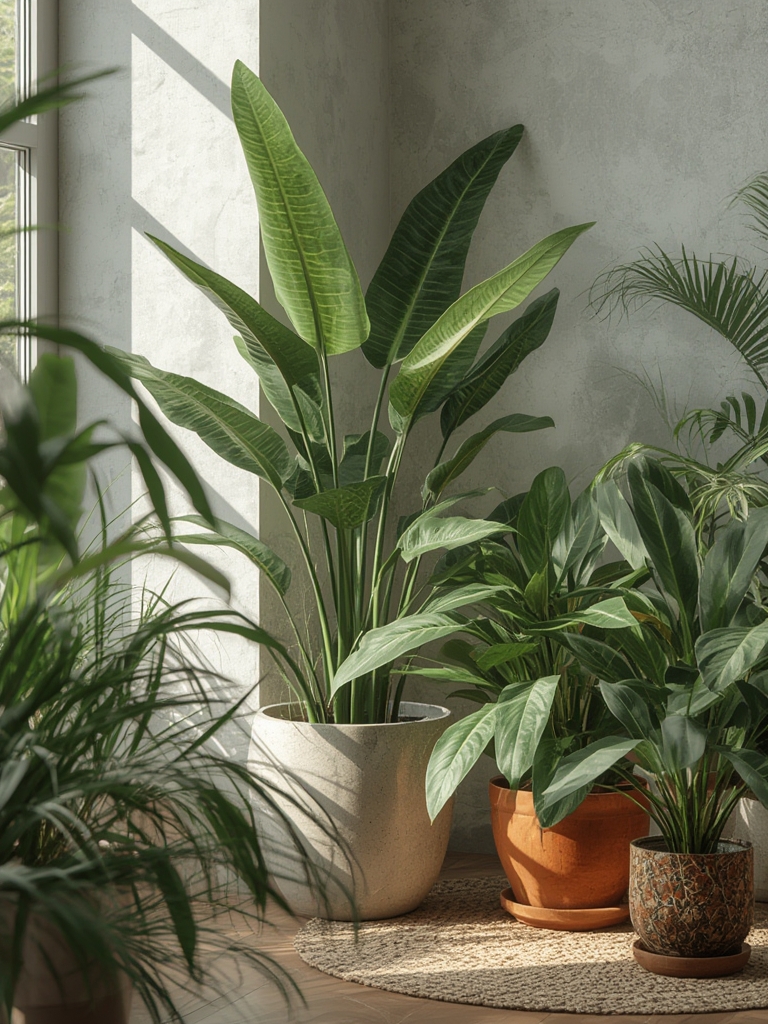

Indoor plants do more than just add a splash of green to your décor—they improve air quality, boost mood, and can even increase productivity. Yet many people shy away from bringing nature inside because they fear the plants will wilt or die. The good news is that a handful of hardy, low‑maintenance species thrive in almost any home environment, even in rooms with limited natural light. Below you’ll find a data‑driven guide that walks you through selecting the right plant, setting it up, and caring for it step by step, with practical tips you can apply immediately.
1. Choose the Right Plant for Your Space
Data‑backed plant selections
- Snake Plant (Sansevieria trifasciata) – Survives in 0‑100 lux (near‑dark to bright) and requires watering only every 3‑4 weeks. Studies show it removes formaldehyde and benzene from indoor air.
- ZZ Plant (Zamioculcas zamiifolia) – Tolerates 50‑200 lux, perfect for low‑light corners. Its rhizomes store water, so it needs watering once a month.
- Pothos (Epipremnum aureum) – Thrives in 100‑500 lux and can be trained as a hanging or trailing plant. It’s forgiving of occasional over‑watering.
- Peace Lily (Spathiphyllum) – Prefers moderate light (150‑300 lux) and signals when it needs water by drooping leaves, making it beginner‑friendly.
- Cast Iron Plant (Aspidistra elatior) – Handles 30‑150 lux and tolerates temperature fluctuations, ideal for offices or basements.
How to assess your light levels
Use a smartphone light meter app or a simple lux meter. Place the sensor on the windowsill, then move it to the spot where you plan to place the plant. Record the reading:
- Low light: 0‑100 lux (deep shade, north‑facing windows)
- Medium light: 100‑500 lux (indirect bright, east/west windows)
- Bright light: 500‑1,000 lux (south‑facing windows, filtered sunlight)
2. Prepare the Potting Environment
Choose the right container
- Pick a pot with drainage holes; excess water must escape to prevent root rot.
- For low‑light plants, a slightly larger pot (1‑2 inches bigger than the root ball) encourages slower growth, reducing the need for frequent repotting.
- Use a saucer to catch runoff and protect furniture.
Select a suitable soil mix
Most indoor plants benefit from a well‑draining mix. A reliable recipe (by volume) is:
- 40 % peat moss or coco coir
- 30 % perlite or pumice
- 30 % standard potting compost
For succulents or cacti, increase the perlite to 50 % for even better drainage.
3. Planting and Initial Setup
Step‑by‑step planting
- Fill the pot: Add a 1‑inch layer of soil mix at the bottom.
- Position the plant: Gently loosen the root ball, place it in the center, and fill around it until the soil surface is level with the pot’s rim.
- Set the watering baseline: Water thoroughly until it drains out of the holes. This settles the soil and eliminates air pockets.
- Location: Place the pot in the pre‑measured light zone. If the plant is a low‑light variety, avoid direct sun to prevent leaf scorch.
Immediate care tips
- Keep the plant out of drafts for the first two weeks to reduce stress.
- Monitor humidity: most indoor plants thrive at 40‑60 % relative humidity. Use a pebble tray or mist lightly if your home is dry.
4. Ongoing Watering Routine
How to gauge water needs
Instead of a strict calendar, use the “finger test” and a moisture meter:
- Insert your finger 1‑2 inches into the soil. If it feels dry, it’s time to water.
- For precise measurement, aim for a soil moisture reading of 30‑40 % for most foliage plants.
Watering technique
- Use room‑temperature water to avoid shocking the roots.
- Water slowly until you see runoff from the drainage holes.
- Allow the saucer to empty within 5‑10 minutes; standing water can cause root rot.
Special cases
- Snake Plant & ZZ Plant: Water only when the top 2 inches of soil are completely dry—usually every 3‑4 weeks.
- Peace Lily: Keep soil consistently moist but not soggy; weekly watering works in average indoor conditions.
5. Feeding and Fertilizing
When to fertilize
Most indoor plants benefit from a balanced, water‑soluble fertilizer (20‑20‑20) diluted to half strength. Follow this schedule:
- Spring & Summer (growth period): Feed once a month.
- Fall & Winter (dormant period): Reduce to once every 2‑3 months or stop entirely.
Quick fertilizing tip
Mix a teaspoon of organic compost into the top inch of soil every 6 weeks. This provides slow‑release nutrients and improves soil structure.

6. Pruning, Repotting, and Pest Management
Pruning for health and aesthetics
- Remove yellow or brown leaves as soon as they appear to prevent fungal spread.
- Trim leggy stems back to a node (the point where a leaf joins the stem) to encourage bushier growth.
- For trailing plants like Pothos, pinch back 2‑3 inches of growth weekly to maintain shape.
When and how to repot
Check root congestion every 12‑18 months. If roots circle the pot or push out of drainage holes, repot into a container 1‑2 inches larger using fresh soil mix. Follow the same planting steps outlined in Section 3.
Common indoor pests and DIY solutions
- Spider mites: Mist leaves daily for a week and wipe with a damp cloth.
- Mealybugs: Dab with a cotton swab dipped in 70 % isopropyl alcohol.
- Scale insects: Spray a solution of 1 teaspoon neem oil + 1 cup water, repeat every 7 days until gone.
7. Enhancing the Visual Impact
Grouping for design
Cluster plants with similar light needs together to simplify care. Use varying pot heights (e.g., a tall Snake Plant beside a low‑profile ZZ Plant) to create depth.
Seasonal décor ideas
- Swap a decorative pot cover each season for a fresh look without moving the plant.
- Add a string of fairy lights around a trailing Pothos for a cozy evening ambiance.
8. Tracking Success – A Simple Log
Why keep a plant journal?
Data‑driven care works best when you record observations. A quick spreadsheet with columns for date, light level (lux), watering amount, fertilizer, and any issues (pests, leaf discoloration) helps you spot patterns and adjust routines.
Sample entry
Date: 2025‑10‑01 | Plant: ZZ Plant | Light: 80 lux | Water: 150 ml (once) | Fertilizer: None | Notes: New leaf emerging, no pests.
Review the log monthly; if you notice a trend—such as leaves consistently yellowing after a certain amount of water—adjust accordingly.
Conclusion
By selecting a resilient species, matching it to your home’s light profile, and following a consistent, data‑informed care routine, you can enjoy thriving indoor greenery with minimal effort. The steps above break down the process into bite‑size actions, turning what can feel like a daunting hobby into a manageable, rewarding part of everyday life. Start with one of the recommended low‑light champions, keep a simple log, and watch your indoor oasis flourish.