Flower gardening isn’t just about adding color to your yard—it’s a sensory experience that can transform any outdoor space into a fragrant sanctuary. By selecting the right aromatic varieties and following data‑driven best practices, you’ll enjoy a garden that looks beautiful, smells amazing, and thrives year after year. Below is a step‑by‑step guide, packed with practical tips and actionable advice, to help you grow and care for aromatic flowers in a way that’s both science‑backed and easy to follow.
1. Choose the Right Aromatic Flowers for Your Climate
Start with a data‑driven selection process. Look up your USDA hardiness zone (or local climate map) and match it with the top‑performing scented species for that zone. Here are three reliable choices for most temperate zones:
- Lavender (Lavandula angustifolia) – thrives in zones 5‑9, loves full sun and well‑drained soil.
- Sweet Pea (Lathyrus odoratus) – ideal for zones 3‑9, prefers cooler spring temperatures.
- Jasmine (Jasminum sambac) – suited for zones 9‑11, needs warm nights and moderate humidity.
Tip: Use a spreadsheet to log each variety’s sunlight, water, and soil preferences. This simple data set will guide your planting layout and reduce trial‑and‑error.
2. Plan Your Garden Layout Using Sunlight Maps
Map Sun Exposure
Spend a sunny week tracking sunlight hours in different parts of your yard. Record the start and end times of direct sun for each spot. A quick Google Sheets chart can turn this raw data into a visual heat map.
Allocate Space by Height
Place taller, sun‑loving plants (like jasmine vines) on the south side, and shorter, partial‑shade lovers (like lavender) toward the north. This prevents shading and maximizes fragrance exposure.
Actionable tip: Sketch a simple grid on graph paper, label each cell with its sun hours, and assign each flower accordingly.
3. Prepare Soil for Optimal Scent Production
Test and Amend Soil pH
Most aromatic flowers prefer a slightly alkaline to neutral pH (6.5‑7.5). Use a home soil test kit, then amend as needed:

- Raise pH with garden lime (1 lb per 100 sq ft for a 0.5 increase).
- Lower pH with elemental sulfur (½ lb per 100 sq ft for a 0.5 decrease).
Boost Drainage and Organic Matter
Incorporate 2‑3 inches of coarse sand or fine gravel to improve drainage—critical for lavender, which hates “wet feet.” Add 3‑4 inches of well‑rotted compost to increase microbial activity, which research shows can enhance essential oil production in many scented plants.
Quick tip: After mixing, press a handful of soil; it should crumble easily and feel slightly gritty.
4. Planting: Timing, Depth, and Spacing
When to Plant
Follow regional frost dates. Plant in early spring after the last frost for cool‑season aromatics (sweet pea) and in late spring for warm‑season varieties (jasmine). Lavender can be planted in early fall for a deep‑rooted start.
Depth and Spacing Guidelines
- Lavender: Plant at the same depth as the nursery pot, spacing 18‑24 inches apart.
- Sweet Pea: Sow seeds ½ inch deep, thin to 12 inches apart once seedlings have two true leaves.
- Jasmine: Dig a hole twice the root ball width, plant 6 inches deeper than the pot, and space vines 3‑4 feet apart for climbing support.
Actionable advice: Mark each planting spot with a small wooden stake and write the species name on it. This prevents mix‑ups during later care.
5. Watering Strategies That Preserve Fragrance
Establish a Consistent Schedule
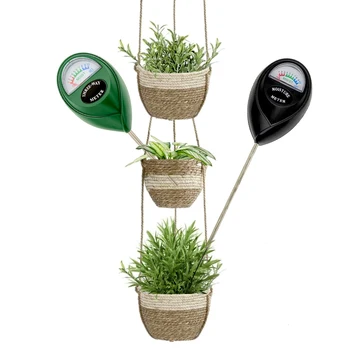
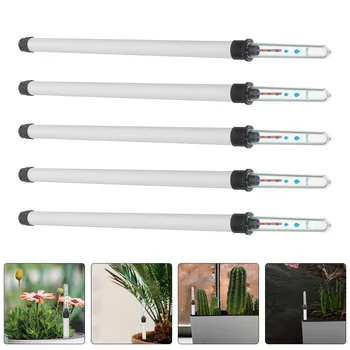
Use a moisture meter to keep soil consistently at 40‑60 % field capacity. Over‑watering dilutes essential oils, especially in lavender.
Implement Drip Irrigation
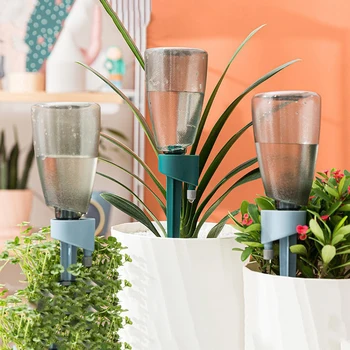
Install a low‑flow drip line with emitters spaced 12 inches apart. This delivers water directly to the root zone, reduces leaf wetness (lowering fungal risk), and conserves water.
Pro tip: Add a timer set to water early in the morning (5‑7 am) to allow foliage to dry before evening, preserving scent intensity.
6. Feeding for Maximum Scent Production
Balanced Fertilizer Application
Use a 10‑10‑10 granular fertilizer at half the recommended rate during early growth, then switch to a low‑nitrogen, high‑phosphorus formula (5‑10‑5) once flowering begins. Excess nitrogen encourages leafy growth at the expense of blooms and fragrance.
Organic Boosters
Incorporate seaweed extract or fish emulsion every 4‑6 weeks. Studies show these micronutrient‑rich amendments increase essential oil concentrations by up to 15 %.
7. Pruning and Deadheading for Continuous Aroma
Timing the Cuts
Prune lavender after the first flush of blooms—cut back to the first set of woody stems. For sweet peas, deadhead weekly to encourage a second bloom cycle. Jasmine benefits from a hard prune in late winter (remove ⅓ of growth) to stimulate vigorous new shoots.
Technique
Use clean, sharp pruning shears. Cut at a 45‑degree angle just above a leaf node to promote healthy regrowth. Dispose of cuttings in compost to recycle nutrients.
8. Integrated Pest Management (IPM) for Healthy Scent
Monitor Common Pests
Set up yellow sticky traps near the garden to catch aphids, whiteflies, and spider mites. Record trap counts weekly; a rise above 10 pests per trap signals the need for action.
Natural Controls
- Neem oil spray: Apply every 7‑10 days during a pest outbreak.
- Beneficial insects: Release ladybugs or lacewings (1 per sq ft) to keep aphid populations in check.
- Companion planting: Plant rosemary or sage alongside lavender; their strong oils repel many insects.
Actionable tip: Keep a pest log in your garden notebook; trends help you intervene before damage spreads.
9. Harvesting and Using the Fragrance
When to Harvest
Pick lavender buds just as they start to turn from green to light purple—this is when essential oil content peaks. For sweet peas, harvest the fully opened flowers early in the morning when scent is strongest. Jasmine blossoms should be collected at night, when the fragrance is most intense.
Storage Methods
- Air‑dry lavender bundles in a dark, well‑ventilated attic for 2‑3 weeks.
- Freeze fresh sweet pea petals in airtight bags for up to 6 months.
- Store jasmine blossoms in a glass jar with a tight lid, placed in the refrigerator for up to 2 weeks.
Tip: Create a DIY scented sachet by layering dried lavender with a few dried rose petals—great for closets or drawers.
10. Seasonal Maintenance Checklist
Spring
- Test soil pH and amend if needed.
- Plant new seedlings or divisions.
- Apply a light balanced fertilizer.
Summer
- Maintain drip irrigation; check for clogs.
- Deadhead regularly to prolong bloom.
- Watch for heat stress—mulch to retain soil moisture.
Fall
- Prune lavender after final bloom.
- Apply a slow‑release organic fertilizer.
- Cover tender vines with burlap if early frost is forecast.
Winter
- Inspect for pests in stored plant material.
- Plan next season’s layout using the sunlight map data.
- Refresh compost and prepare new soil amendments.
By following these data‑driven steps and incorporating the actionable tips above, you’ll cultivate a thriving aromatic flower garden that not only dazzles the eyes but also fills your outdoor space with natural, long‑lasting scents. Happy gardening!