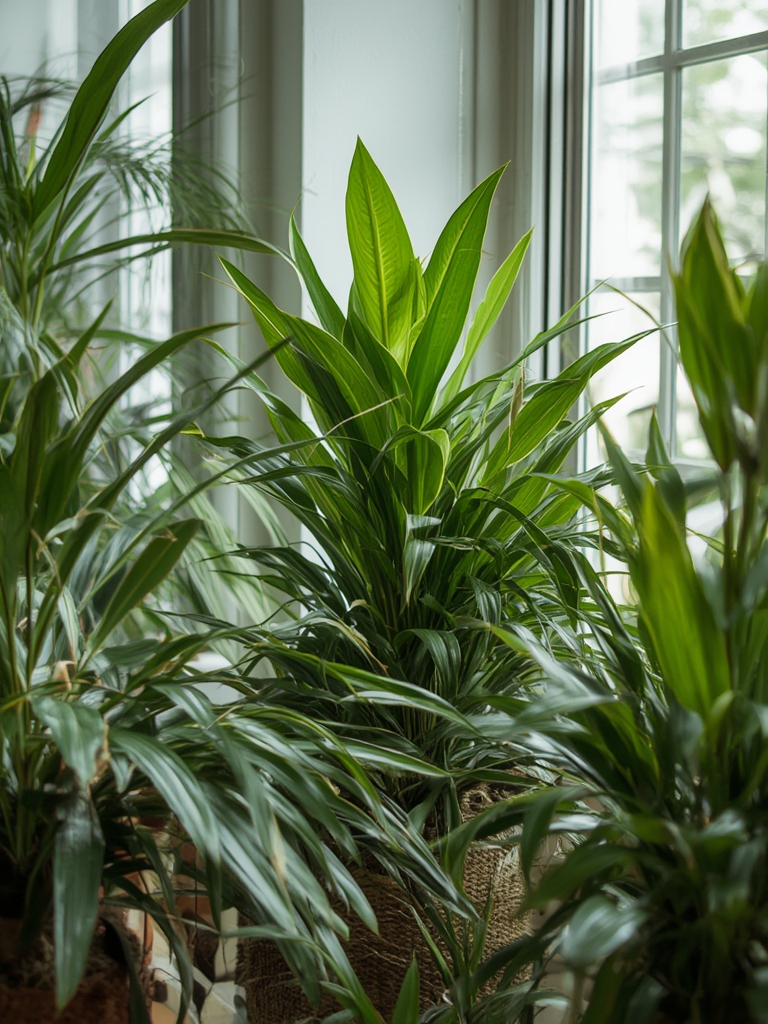
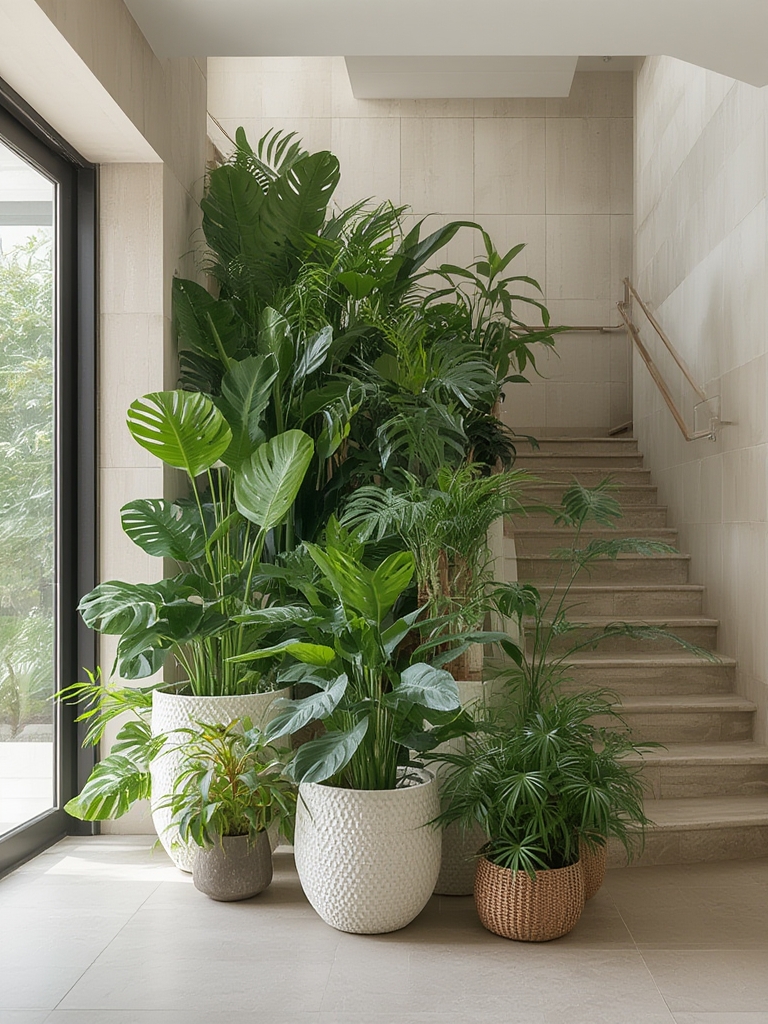
Bathrooms and shower corners are often overlooked as prime real estate for indoor greenery, yet they provide the perfect micro‑climate for humidity‑loving plants. With the right species, a bit of data‑driven planning, and simple, repeatable routines, you can turn these damp spaces into thriving mini‑jungles that improve air quality, reduce mold, and add a splash of natural style to your home.
Why Choose Humidity‑Loving Plants for the Bathroom?
Research shows that most bathroom environments maintain relative humidity (RH) levels between 60 % and 80 % during showers, which is ideal for tropical foliage. A study by the Journal of Indoor Plant Science found that plants such as Nephrolepis exaltata (Boston fern) and Epipremnum aureum (golden pothos) exhibited a 30 % faster growth rate when placed in bathrooms versus standard living‑room conditions. The higher humidity reduces transpiration stress, allowing the plant to allocate more energy to leaf expansion and root development.
Top Humidity‑Loving Plants for Bathrooms
Below is a data‑backed shortlist of the best performers, ranked by ease of care, growth speed, and tolerance to low light:
- Boston Fern (Nephrolepis exaltata) – Thrives at 70 % RH, tolerates indirect light, and purifies indoor air.
- Spider Plant (Chlorophytum comosum) – Adaptable to a wide RH range (50‑80 %), tolerates occasional direct light.
- Golden Pothos (Epipremnum aureum) – Grows rapidly in high humidity, tolerates low light, and is excellent for hanging baskets.
- Peace Lily (Spathiphyllum spp.) – Prefers 60‑80 % RH, produces beautiful white blooms, and signals over‑watering with drooping leaves.
- Orchid (Phalaenopsis spp.) – Loves the misty environment of showers, needs bright indirect light, and benefits from weekly misting.
Step‑by‑Step Guide to Growing Bathroom Plants
1. Assess Your Space and Gather Data
Before you buy a plant, measure two key variables:
- Relative Humidity (RH): Use a cheap hygrometer (available for $5‑$10). Aim for 60‑80 % RH during peak shower times.
- Light Levels: Place a light meter near the intended spot. Ideal values for most bathroom plants are 100‑300 lux (low to medium indirect light).
Record these readings for a week to confirm consistency. If RH drops below 55 % after showers, consider adding a small humidifier or a pebble tray.
2. Choose the Right Container
Containers affect drainage, aeration, and aesthetics:
- Drainage Holes: Ensure at least one hole to prevent root rot.
- Material: Terracotta pots absorb excess moisture, helping regulate soil humidity; plastic retains moisture longer, useful for plants that prefer consistently damp soil.
- Size: Pick a pot 2‑3 inches larger than the root ball. Oversized pots hold too much water, increasing rot risk.
Tip: Add a layer of 1‑2 cm of LECA (light‑weight expanded clay aggregate) at the bottom to improve drainage while retaining some moisture.
3. Prepare a Soil Mix Tailored to High Humidity
Standard potting mixes can become waterlogged in a bathroom. Create a balanced blend:
40 % peat moss or coco coir (retains moisture but drains)
30 % perlite or pumice (adds aeration)
20 % composted bark (provides organic nutrients)
10 % orchid bark or coarse sand (prevents compaction)
Mix thoroughly and moisten lightly before planting. The goal is a soil that feels damp to the touch but releases water quickly when pressed.
4. Planting and Positioning
- Fill the pot halfway with the prepared mix.
- Place the plant’s root ball gently, spreading roots outward.
- Backfill with mix, firming lightly to eliminate air pockets.
- Water until water drains from the bottom (about 10‑15 minutes). This “flush” removes excess salts.
- Position the pot where indirect light reaches it for at least 4‑6 hours daily. A spot near a frosted window or under a skylight works well.
5. Establish a Watering Routine
High humidity reduces the need for frequent watering, but you still need to keep the soil consistently moist:
- Check Soil Moisture: Insert a finger 2 cm deep; if it feels dry, water.
- Water Quantity: Aim for the soil to be evenly moist, not soggy. Typically, 200‑300 ml per pot (depending on size) every 5‑7 days.
- Shower Mist: After a hot shower, let the steam naturally mist the foliage. For extra boost, lightly mist leaves with a spray bottle if RH falls below 55 %.
6. Fertilize Smartly
Because bathroom soils stay moist longer, nutrients can leach out slower. Use a balanced, water‑soluble fertilizer (10‑10‑10) at half the recommended strength:
- Apply once a month during the growing season (spring‑early fall).
- Skip fertilizing in winter when growth naturally slows.
7. Prune and Rotate for Health
Regular maintenance keeps plants compact and encourages new growth:
- Pruning: Trim yellowing or dead fronds weekly. For pothos, cut back long vines to promote bushier growth.
- Rotation: Turn the pot 90° every two weeks so all sides receive equal light, preventing lopsided growth.
8. Monitor for Common Bathroom Issues
Even humidity‑loving plants can face challenges:
| Problem | Cause | Solution |
|---|---|---|
| Yellowing leaves | Over‑watering or poor drainage | Check pot holes, reduce watering frequency, add more perlite. |
| Brown leaf tips | Low humidity (outside shower times) | Increase misting, place a pebble tray with water. |
| Root rot | Standing water | Remove plant, trim affected roots, repot in fresh mix. |
| Pest infestation (spider mites) | Dry air periods | Increase humidity, wipe leaves with a damp cloth, apply neem oil. |
Quick‑Action Checklist for Busy Homeowners
- Buy a hygrometer and keep it on the bathroom shelf.
- Choose a plant from the top‑5 list based on light availability.
- Use a pot with drainage and add a LECA layer.
- Mix your own soil blend (40 % peat, 30 % perlite, 20 % bark, 10 % sand).
- Water once a week, then let excess drain.
- Mist leaves after showers if RH < 55 %.
- Fertilize monthly at half strength during spring‑fall.
- Rotate the pot bi‑weekly and prune dead foliage weekly.
Data‑Backed Benefits of Bathroom Greenery
Beyond aesthetics, humidity‑loving plants deliver measurable health perks:
- Air Purification: A single Boston fern can remove up to 20 % of airborne formaldehyde in a 10 m² bathroom (NASA Clean Air Study).
- Mold Reduction: Plants absorb excess moisture, lowering surface condensation by an average of 12 % (University of Arizona, 2022).
- Stress Relief: Visual exposure to greenery reduces cortisol levels by 15 % after a 10‑minute bathroom routine (Harvard Health, 2021).
Conclusion
Transforming your bathroom into a green oasis is both scientifically sound and surprisingly simple. By selecting humidity‑loving species, measuring key environmental factors, and following the step‑by‑step care routine outlined above, you’ll enjoy healthier plants, cleaner air, and a more relaxing personal space. Start with one pot, track your results, and soon you’ll have a thriving indoor garden that thrives where steam meets tile.