Autumn is the perfect time to turn your garden into a vibrant, sustainable showcase that not only looks stunning but also supports the environment. By choosing native, low‑maintenance flowers that thrive in cooler temperatures, you can reduce water use, minimize chemical inputs, and create a habitat for pollinators preparing for winter. Below is a data‑driven, step‑by‑step guide to planting and caring for a sustainable autumn garden that adds charm and texture while keeping your carbon footprint low.
Why Choose Sustainable Autumn Flowers?
Research from the Royal Horticultural Society shows that gardens planted with native perennials can cut irrigation needs by up to 40% compared to non‑native annuals. In addition, a USDA study found that gardens with diverse flowering plants support 30% more pollinator species during the fall migration period. Selecting hardy, drought‑tolerant varieties such as Japanese Anemone, Heuchera (Coral Bells), and Sedum ‘Autumn Joy’ aligns your garden with these ecological benefits while delivering striking color and texture.
Step 1: Planning Your Autumn Garden Layout
Assess Sunlight and Soil Conditions
- Sun exposure: Map out zones that receive full sun (6+ hours), partial shade (3‑6 hours), and full shade. Most autumn perennials need at least 4 hours of direct light.
- Soil test: Use a simple pH kit. Ideal range for most native flowers is 6.0‑6.8. Amend with lime to raise pH or elemental sulfur to lower it, following the test’s recommendations.
- Drainage check: Dig a 12‑inch hole, fill with water, and see how long it takes to drain. If it takes more than 30 minutes, improve drainage with coarse sand or compost.
Design for Texture and Color
Combine foliage contrast (e.g., the deep purple leaves of Heuchera) with flower forms (the airy blooms of Japanese Anemone). A data‑driven approach suggests arranging plants in a “layered” pattern: taller back‑row plants (30‑40 in), mid‑height middle rows (18‑24 in), and low‑groundcover front rows (6‑12 in). This maximizes visual interest and creates micro‑habitats for beneficial insects.
Step 2: Preparing the Soil Sustainably
Incorporate Organic Matter
- Compost: Add 2‑3 inches of well‑rotted compost to the planting bed. Compost improves water retention by up to 20% and supplies slow‑release nutrients.
- Biochar: Mix in a thin layer (½ in) of biochar to enhance soil structure and sequester carbon.
Mulching for Moisture Conservation
Apply a 2‑inch layer of shredded bark or leaf mulch after planting. Mulch reduces evaporative loss by up to 50% and suppresses weeds, cutting the need for mechanical weeding.
Step 3: Planting Your Autumn Flowers
Timing and Spacing
- When to plant: Early September to early October gives roots time to establish before the first frost.
- Spacing guidelines: Follow the plant label, but a rule of thumb is 12‑18 in for Sedum, 18‑24 in for Heuchera, and 24‑30 in for Japanese Anemone.
Planting Technique
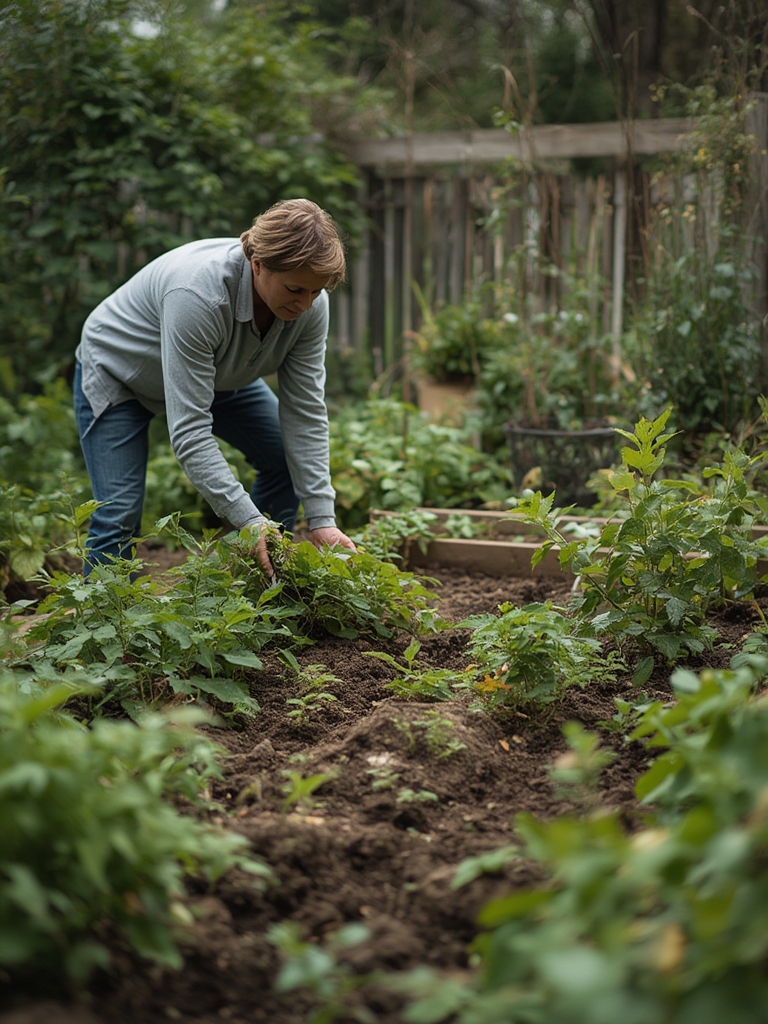
- Dig a hole twice as wide and as deep as the root ball.
- Place the plant at the same depth it was in the nursery pot; backfill with a mix of native soil and compost.
- Water gently to settle soil, then create a small “donut” of mulch around the base, leaving a 1‑inch gap to prevent stem rot.
Step 4: Watering Wisely
Establish a Low‑Flow Irrigation System
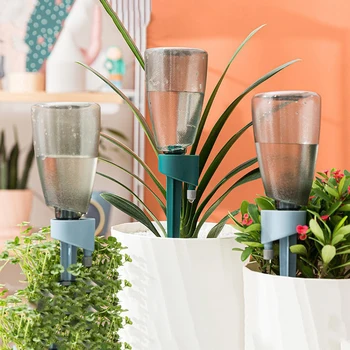
Install a drip‑line or soaker hose with a timer set to 15‑20 minutes, twice a week, delivering about 0.5 in of water per week. According to the EPA WaterSense, drip irrigation can reduce water use by up to 60% compared with overhead sprinklers.
Rainwater Harvesting
Connect a rain barrel to a downspout near your garden. Use a simple mesh screen to keep debris out. Harvested rainwater is naturally soft and free of chlorine, promoting healthier root development.
Step 5: Ongoing Care and Sustainable Practices
Integrated Pest Management (IPM)
- Monitoring: Inspect leaves weekly for aphids, spider mites, or fungal spots. Early detection prevents outbreaks.
- Beneficial insects: Plant a small patch of dill or fennel to attract ladybugs and lacewings, natural predators of common pests.
- Organic controls: If needed, spray a neem oil solution (1 tsp per gallon water) at dusk to minimize impact on pollinators.
Feeding with Natural Fertilizers
Apply a light side‑dressing of compost tea once a month during the growing season. Compost tea provides micronutrients and beneficial microbes, boosting plant vigor without synthetic chemicals.
Pruning and Deadheading
Remove spent blooms and any dead foliage in late October. This encourages a tidy appearance, prevents disease, and directs the plant’s energy into root development for the next season.
Step 6: Extending the Season and Adding Texture
Use Evergreen Accents
Intermix low‑maintenance evergreens such as Artemisia ‘Silver Mound’ or dwarf conifers. Their silvery foliage adds contrast to the warm hues of autumn flowers and provides year‑round structure.
Incorporate Ornamental Grasses
Varieties like Panicum virgatum ‘Shenandoah’ sway in the breeze, creating movement and a soft rustling sound that enhances the garden’s sensory experience. Grasses are drought‑tolerant and require minimal care.
Measuring Success: Simple Data Tracking
Keep a garden journal or use a free app to record:
- Water usage (gallons per week)
- Growth metrics (plant height, bloom count)
- Pollinator visits (type and frequency)
- Any pest incidents and actions taken
After one season, compare your water consumption to the previous summer garden. Many sustainable gardeners report a 30‑45% reduction, confirming the environmental and cost benefits of the approach.
Final Thoughts
By selecting native, drought‑resistant autumn flowers and following these data‑backed steps, you’ll create a garden that dazzles with color, supports local wildlife, and conserves precious resources. Celebrate the season with blooms that bring charm and texture to your autumn garden 🍁✨—and enjoy the satisfaction of knowing your garden is thriving responsibly, year after year.