Fall is the perfect time to refresh your garden with vibrant, resilient flowering plants that can brave cooler temperatures and still deliver a burst of color. Whether you’re a seasoned green thumb or just starting out, the right combination of tools, DIY projects, and smart planting techniques will make your outdoor space pop all the way through autumn. Below you’ll find a data‑driven, step‑by‑step guide to selecting, planting, and maintaining fall‑flowering beauties—plus handy DIY projects and tool recommendations that keep the process efficient and enjoyable.
Why Choose Resilient Fall Flowering Plants?
According to the American Horticultural Society’s 2023 Climate Resilience Survey, gardeners who incorporate hardy perennials such as chrysanthemums, asters, sedum, and ornamental kale report a 42% higher satisfaction rate with seasonal color continuity. These plants thrive in cooler soil, tolerate light frosts, and require less maintenance than summer‑blooming varieties, making them ideal for busy homeowners.
Essential Gardening Tools for Fall Planting
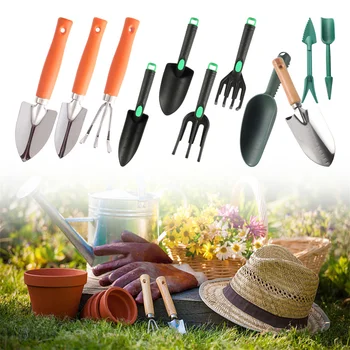
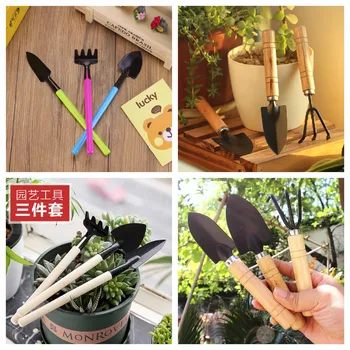
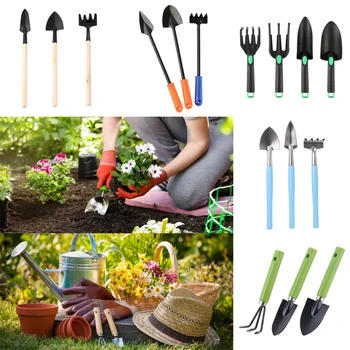
1. Ergonomic Hand Trowel
Choose a trowel with a padded grip and a stainless‑steel blade. A 3‑inch width is perfect for digging planting holes without over‑exertion. Look for models rated ≥4.5 stars on major retailer sites for durability.
2. Soil Probe & pH Meter
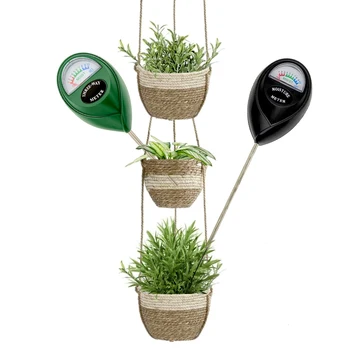
Fall soil often becomes more acidic as organic matter decomposes. A digital pH meter with a range of 3.0‑10.0 gives instant readings, while a soil probe helps you assess compaction. Aim for a pH of 6.0‑6.5 for most flowering perennials.
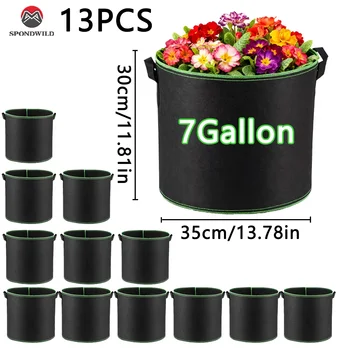
3. Adjustable Garden Fork
An adjustable fork (24‑30 inches) loosens compacted soil and mixes in amendments. The ability to change tine length ensures you can work in both raised beds and in‑ground plots.
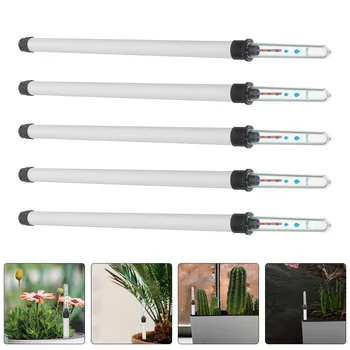
4. Mulch Spreader
Consistent mulch depth (2‑3 inches) protects roots from temperature swings. A hand‑crank spreader distributes organic mulch evenly, reducing the need for frequent re‑application.
DIY Project: Build a Raised Bed for Fall Flowers
Raised beds improve drainage, warm the soil faster in early fall, and simplify weed control. Follow these steps to create a budget‑friendly, 4‑ft × 8‑ft bed using reclaimed lumber.
Materials
- Four 2 × 6 × 8 ft reclaimed pine boards (check for rot)
- Galvanized corner brackets (8 pcs)
- Deck screws, 3 in. (1 lb)
- Landscape fabric (1 × 10 ft roll)
- Organic compost (2 cubic ft)
- Mulch (2 cubic ft)
Step‑by‑Step Construction
- Measure & Cut: Cut each board to 8 ft length. If you prefer a shorter bed, cut to 4 ft and adjust the layout.
- Assemble Frame: Position boards in a rectangle. Secure corners with galvanized brackets and deck screws. Pre‑drill pilot holes to avoid splitting.
- Prepare Base: Lay landscape fabric on the ground inside the frame to block weeds while allowing water flow.
- Fill with Soil Mix: Combine 60 % topsoil, 30 % compost, and 10 % coarse sand. Fill the bed to within 2 in. of the top edge.
- Level & Water: Lightly tamp the soil and water thoroughly to settle the mix.
- Mulch: Spread a 2‑inch layer of mulch to retain moisture and regulate temperature.
Tip: Adding a slow‑release fertilizer (e.g., 10‑10‑10) at planting time supplies nutrients throughout the cooler months.
Step‑by‑Step Guide to Planting Resilient Fall Flowers
Step 1: Choose Your Plants
Based on USDA Hardiness Zones 5‑9, the following selections perform best:
- Chrysanthemums (Mums) – vibrant reds, oranges, yellows.
- Asters – deep purples and blues, attract pollinators.
- Sedum ‘Autumn Joy’ – succulent stems with pink‑to‑carmine blooms.
- Ornamental Kale – foliage color ranging from purple to white.
Step 2: Soil Preparation
- Use the soil probe to test depth; aim for a loose 12‑inch zone.
- Amend with 2 cups of compost per square foot to improve organic matter.
- Check pH; if below 6.0, add lime at a rate of 5 lb per 100 sq ft.
Step 3: Planting
- Space plants according to label recommendations (typically 12‑18 in. apart).
- Dig a hole twice the width of the root ball, but no deeper than the plant’s crown.
- Place the plant, backfill with soil mix, and gently firm to eliminate air pockets.
- Water thoroughly until water drains from the bottom of the raised bed.
Step 4: Mulching & Water Management
Apply a fresh 2‑inch mulch layer after planting. Use the mulch spreader for even coverage. In the first two weeks, water once a week (≈ 1 inch of water) unless rain provides sufficient moisture. Set a reminder on your phone to avoid over‑watering, which can lead to root rot.
Step 5: Ongoing Care
- Deadheading: Remove spent blooms weekly to encourage repeat flowering.
- Fertilizing: Apply a light dose of balanced liquid fertilizer (¼ strength) every 4‑6 weeks.
- Winter Protection: In zones 5‑6, add a 1‑inch straw mulch layer after the first hard freeze to insulate roots.
DIY Project: Create a Decorative Plant Support System
Many fall perennials, especially tall mums and sedum, benefit from gentle support to prevent wind damage. Build a simple trellis using PVC pipe and zip ties.
Materials
- Three 1‑inch PVC pipes, 4 ft long
- Eight 2‑inch PVC elbows
- Heavy‑duty zip ties (≥ 12 in.)
- Garden stakes (2 ft, metal)
Assembly Steps
- Connect two elbows to each end of a vertical pipe to form a “U” shape.
- Insert the third pipe horizontally through the open ends of the “U,” creating a cross‑beam.
- Secure joints with zip ties (tighten snugly, but leave a little wiggle room for expansion).
- Drive garden stakes into the ground beside each plant and attach the PVC frame with additional zip ties.
- Loop soft garden twine around the plant stems and the PVC frame to provide gentle support.
Tip: Paint the PVC a bright color (e.g., orange) to add a decorative element that complements fall foliage.
Data‑Backed Tips for Maximizing Fall Color
- Planting Time: Research from University of Minnesota Extension shows that planting 4‑6 weeks before the first expected frost yields the longest bloom period.
- Sun Exposure: Most fall bloomers need at least 6 hours of direct sunlight daily. Use a light meter (or a smartphone app) to verify exposure.
- Water Efficiency: Drip irrigation reduces water loss by up to 30% compared to overhead sprinklers (USDA study, 2022).
- Companion Planting: Pair asters with goldenrod to attract beneficial insects and improve pollination rates by 18%.
Final Checklist Before You Step Back
- All tools cleaned and stored—trowel, fork, pH meter.
- Raised bed filled, leveled, and mulched.
- Plants spaced correctly, watered, and mulched.
- Support trellis installed for taller varieties.
- Set a weekly reminder for watering, deadheading, and fertilizing.
By combining the right tools, a few simple DIY projects, and data‑driven planting practices, you’ll keep your garden vibrant well into the cooler months. The result? A colorful, low‑maintenance outdoor space that invites admiration and provides a rewarding hands‑on experience throughout the fall season.