
Welcome to the world of Smart Gardening for Small Backyards! If you’ve ever felt limited by the size of your outdoor space, you’re not alone. Many beginners think a tiny yard means limited options, but with a few clever strategies and a dash of technology, you can create a thriving garden that’s both beautiful and productive. This guide walks you through practical steps, essential tools, and common pitfalls to avoid, so you can enjoy fresh herbs, vibrant flowers, and even a few veggies without feeling overwhelmed.
Why Choose Smart Gardening for Small Backyards?
Smart gardening combines smart planning, efficient use of space, and modern tools to maximize yield and minimize effort. For small backyards, this approach offers several benefits:
- Space optimization: Vertical structures, container systems, and multi‑purpose furniture let you grow more in less area.
- Water conservation: Automated irrigation and moisture sensors reduce waste and keep plants healthy.
- Time savings: Smart timers, soil monitors, and low‑maintenance plant choices free up your schedule.
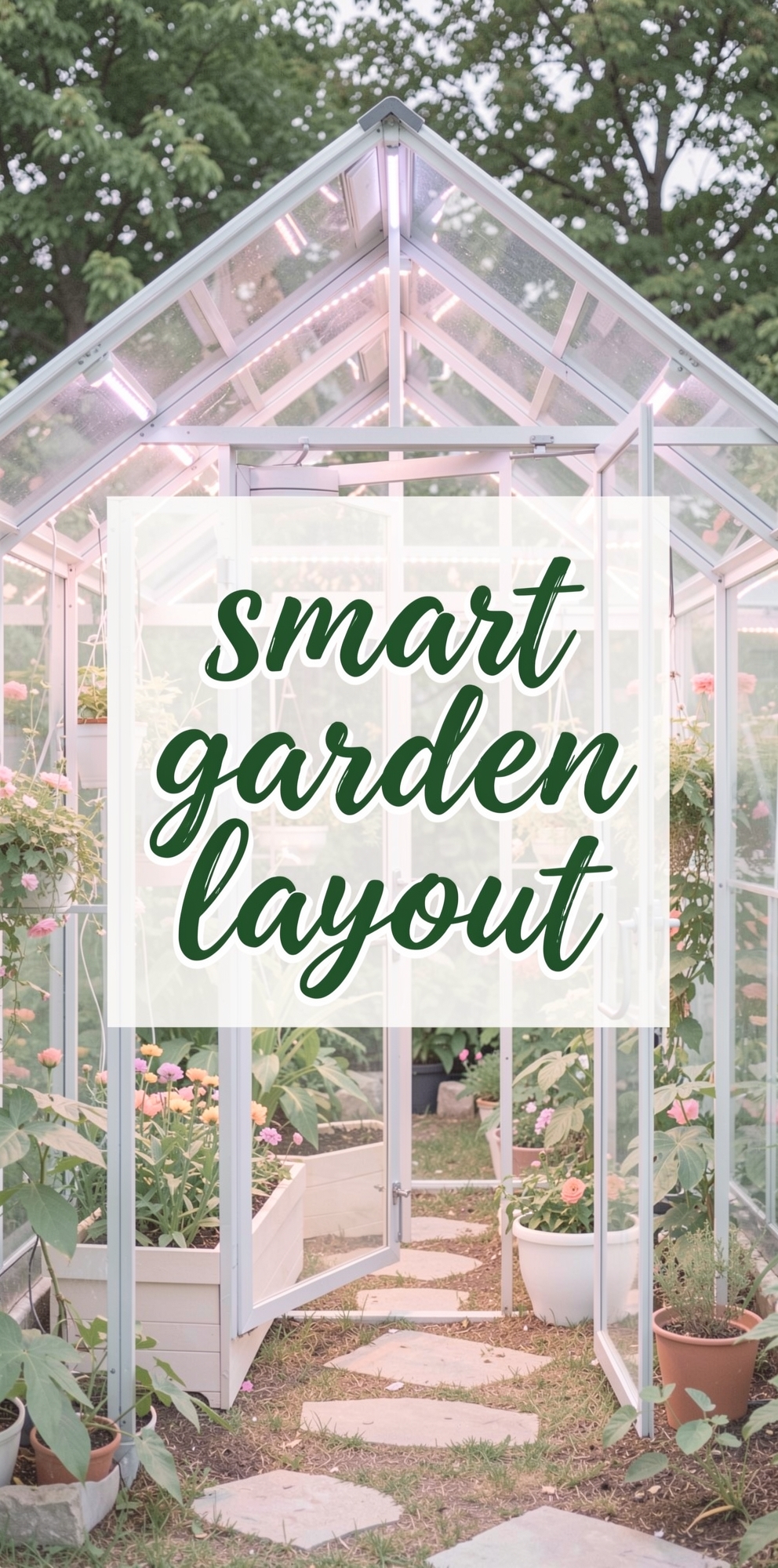
- Year‑round growth: Portable grow lights and mini‑greenhouses extend the growing season.
Getting Started: Planning Your Smart Garden
Assess Your Space and Light
Begin by measuring the square footage of your backyard and noting sun exposure throughout the day. Most vegetables need at least 6–8 hours of direct sunlight, while shade‑loving herbs (like mint and parsley) can thrive in partial shade. Sketch a simple layout, marking sunny spots, shaded corners, and any existing structures you can repurpose.
Choose the Right Containers
When space is limited, containers become your best friends. Opt for lightweight, durable pots with good drainage. Consider these options:
- Stackable planters: Perfect for vertical gardening and easy to move.
- Self‑watering containers: Reduce watering frequency and keep roots consistently moist.
- Recycled materials: Old buckets, wooden crates, or even repurposed pallets can add charm while saving money.
Select Smart Tools and Tech
Investing in a few smart devices can transform your garden experience:
- Soil moisture sensor: Connects to a smartphone app and alerts you when plants need water.
- Smart irrigation timer: Programs watering schedules based on weather forecasts.
- LED grow lights: Provide supplemental light for seedlings or indoor herb gardens.
- Plant health monitor: Some devices measure temperature, humidity, and light intensity, giving you a full picture of your garden’s environment.
Practical Tips for a Thriving Small Backyard Garden
1. Embrace Vertical Gardening
Vertical space is often underutilized. Install trellises, hanging baskets, or pocket planters on walls and fences. Climbing plants like beans, peas, and cucumbers love to grow upward, freeing up ground space for other crops.
2. Mix Perennials with Annuals
Perennials such as rosemary, thyme, and chives return year after year, reducing the need for replanting. Pair them with annuals like lettuce, radishes, or cherry tomatoes for a continuous harvest.
3. Use Companion Planting
Companion planting can improve pest control and nutrient use. For example, planting marigolds near tomatoes deters nematodes, while basil can enhance tomato flavor and repel flies.
4. Implement Mulching
Apply a thin layer of organic mulch (e.g., shredded leaves or straw) on top of soil in containers. Mulch conserves moisture, suppresses weeds, and slowly adds nutrients as it breaks down.
5. Optimize Water Usage
Smart irrigation timers paired with soil moisture sensors ensure you water only when needed. Water early in the morning to reduce evaporation and prevent fungal diseases.
6. Rotate Crops Annually
Even in a small space, rotating crops helps prevent soil-borne diseases and nutrient depletion. Keep a simple log of what you planted each season and switch families (leafy greens, root vegetables, legumes) each year.
Common Mistakes to Avoid
Overcrowding Plants
It’s tempting to fill every inch with seedlings, but overcrowding leads to competition for light, water, and nutrients. Follow spacing guidelines on seed packets, and remember that vertical growers still need room to breathe.
Ignoring Soil Health
Container soil can become compacted and depleted quickly. Refresh the potting mix annually, and incorporate compost or slow‑release fertilizer to maintain fertility.
Neglecting Sunlight Patterns
Even a “sunny” backyard may have shaded pockets. Plant shade‑tolerant herbs in those areas, and reserve the brightest spots for fruit‑bearing plants that need full sun.
Skipping Regular Maintenance
Smart tools provide alerts, but they don’t replace hands‑on care. Check plants weekly for pests, prune dead foliage, and adjust watering as seasons change.
Using the Wrong Pot Size
Plants need room for root growth. A pot that’s too small restricts development and can cause “root‑bound” stress. Choose containers that are at least 12 inches deep for most vegetables, and upgrade as plants mature.
Seasonal Checklist for Smart Gardening in Small Backyards
Spring
- Test soil pH and amend if needed.
- Start seeds indoors or in a grow light setup.
- Set up smart irrigation based on upcoming weather patterns.
Summer
- Monitor moisture levels daily; increase watering during heatwaves.
- Harvest early‑maturing crops to encourage continuous production.
- Provide shade cloth for delicate herbs during peak afternoon sun.
Fall
- Transition to cool‑season crops like kale, spinach, and carrots.
- Apply a layer of compost to replenish nutrients.
- Reduce watering frequency as temperatures drop.
Winter
- Move tender plants indoors or into a mini‑greenhouse.
- Use LED grow lights to maintain light for indoor herbs.
- Plan next year’s layout and order seeds early.
Conclusion
Smart Gardening for Small Backyards proves that size isn’t a limitation—it’s an invitation to get creative. By assessing your space, selecting the right containers, and leveraging simple technology, you can enjoy a lush, productive garden without the stress of traditional, space‑intensive methods. Remember to keep an eye on sunlight, avoid overcrowding, and stay consistent with maintenance. With these strategies, even the tiniest backyard can become a vibrant oasis that supplies fresh flavors, beautiful blooms, and a satisfying sense of accomplishment. Happy gardening!