
Welcome to the world of backyard transformation! Whether you have a tiny patio or a spacious lawn, a touch of modern garden inspiration can turn any outdoor space into a relaxing retreat. This guide walks you through simple, data‑driven ideas that are perfect for beginner gardeners. By the end, you’ll have a clear plan, practical tips, and a list of common pitfalls to avoid, so you can confidently create a stylish, functional garden that reflects today’s modern aesthetic.
Understanding Modern Garden Inspiration
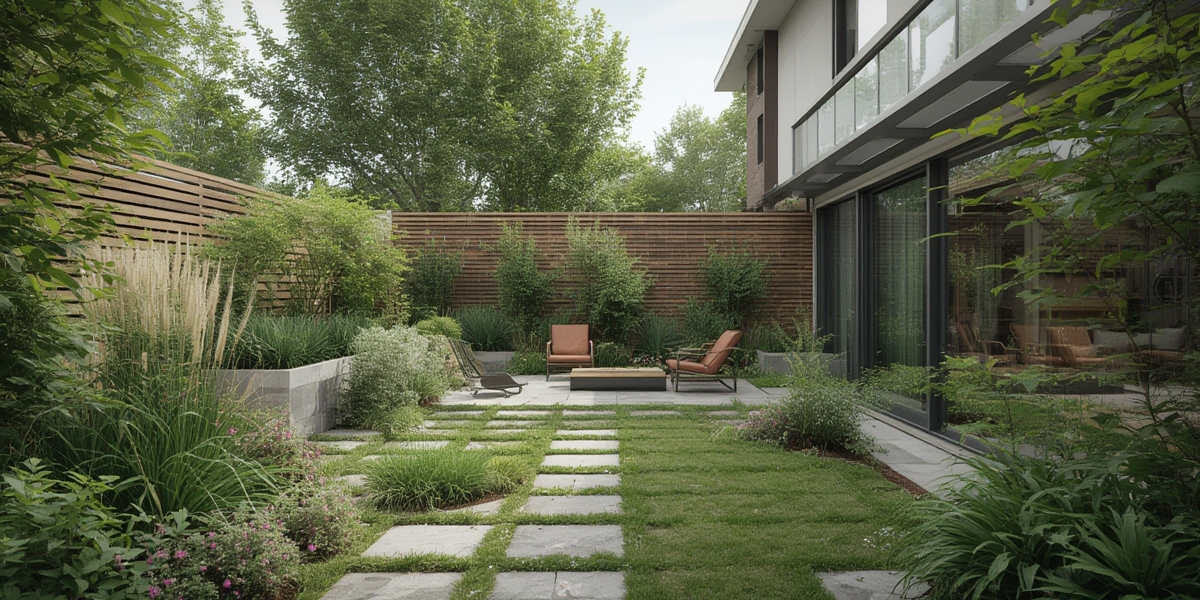
Modern garden design focuses on clean lines, minimal clutter, and a harmonious blend of natural elements with contemporary materials. Data from recent landscaping trends shows that homeowners who incorporate sleek planters, geometric pathways, and low‑maintenance plants report higher satisfaction and lower upkeep costs. Below are the core principles that define modern garden inspiration:
1. Simplicity and Clean Lines
Choose simple shapes for beds, borders, and pathways. Straight or gently curving lines create a sense of order and calm. Use materials like concrete pavers, metal edging, or reclaimed wood to reinforce the clean aesthetic.
2. Neutral Color Palette with Pops of Green
Neutral tones—grays, whites, and soft beiges—serve as a backdrop that lets the foliage stand out. Add a splash of color through ornamental grasses, succulents, or a single bold flower variety.
3. Functional Zones
Divide your backyard into distinct zones: a seating area, a planting zone, and a utility space. This layout not only looks organized but also improves the flow of movement and usability.
Step‑by‑Step Plan for a Backyard Makeover
Follow these data‑backed steps to bring modern garden inspiration to life, even if you’re new to gardening.
Step 1: Assess Your Space
- Measure the area: Use a tape measure or a laser tool to note dimensions. Accurate measurements help you select the right size planters and furniture.
- Sunlight map: Track sunlight exposure throughout the day. Most modern garden plants thrive in full sun (6+ hours) or partial shade.
- Soil test: A simple DIY soil test kit can reveal pH levels and nutrient content, guiding plant selection.
Step 2: Choose Low‑Maintenance Plants
Data from horticultural surveys indicates that beginners prefer plants that require minimal watering and pruning. Consider these options:
- Boxwood (Buxus spp.): Ideal for structured hedges and topiaries.
- Lavender (Lavandula angustifolia): Offers fragrance, drought tolerance, and a pop of purple.
- Japanese forest grass (Hakonechloa macra): Adds texture and thrives in shade.
- Succulents and agave: Perfect for rock gardens or container displays.
Step 3: Design the Layout
Sketch a rough plan on graph paper or use a free online garden planner. Place larger elements—like a concrete patio or a water feature—first, then fill in with planting beds and decorative accents. Keep pathways at least 3 feet wide for comfortable movement.
Step 4: Select Modern Materials
Incorporate contemporary materials that complement the garden’s clean aesthetic:
- Concrete pavers: Choose large, rectangular slabs for a sleek look.
- Metal planters: Powder‑coated steel or aluminum adds a polished finish.
- Glass or acrylic furniture: Creates an airy feel without visual clutter.
Step 5: Install Efficient Irrigation
Smart drip irrigation systems reduce water waste by delivering moisture directly to the root zone. According to the EPA, drip systems can cut water use by up to 50% compared to traditional sprinklers.
Practical Tips for Success
- Start small: Begin with one focal point, such as a modern planter or a small seating nook, and expand gradually.
- Use mulch: A 2‑inch layer of organic mulch conserves moisture, suppresses weeds, and adds a uniform appearance.
- Group plants by water needs: This “hydrozoning” technique simplifies irrigation and promotes healthier growth.
- Incorporate lighting: LED strip lights along pathways or uplighting for trees enhance the garden’s ambiance after dark.
- Seasonal rotation: Swap out annuals or add seasonal foliage to keep the garden fresh throughout the year.
Common Mistakes to Avoid
Even seasoned gardeners can slip up. Here are the most frequent errors beginners make when applying modern garden inspiration, along with solutions:
Overcrowding Plants
Planting too closely restricts airflow and leads to disease. Follow spacing guidelines on plant tags, and remember that modern design thrives on negative space.
Ignoring Soil Health
Skipping soil amendment can result in poor plant performance. Amend heavy clay with compost and sand, or improve sandy soils with organic matter.
Choosing the Wrong Materials
Cheap, low‑quality pavers can crack under temperature changes. Invest in durable, weather‑resistant materials to maintain the modern aesthetic over time.
Neglecting Maintenance Plans
Even low‑maintenance gardens need periodic care. Schedule monthly tasks—pruning, weeding, and checking irrigation—to keep the garden looking its best.
Bringing It All Together: A Sample Backyard Layout
Imagine a 30‑by‑20‑foot backyard. Here’s how you could apply modern garden inspiration:
- Patio zone: Install a 10‑by‑12‑foot concrete slab with a low‑profile gray sofa and a glass coffee table.
- Planting zone: Create two rectangular raised beds (4 × 8 ft) using reclaimed wood, filled with boxwood hedges and lavender borders.
- Water feature: Place a sleek stainless‑steel fountain at the intersection of the patio and garden beds.
- Lighting: Add subtle LED uplights behind the fountain and along the patio edge.
- Irrigation: Set up a drip line that runs the length of each raised bed, controlled by a timer.
This layout balances functionality, visual appeal, and ease of maintenance—key goals of modern garden inspiration.
Conclusion
Transforming your backyard with modern garden inspiration doesn’t require a professional landscape crew or a massive budget. By understanding the core principles—simplicity, neutral palettes, functional zones—and following a data‑driven, step‑by‑step plan, beginner gardeners can create a stylish, low‑maintenance oasis. Remember to start small, choose the right plants and materials, and avoid common pitfalls like overcrowding and neglecting soil health. With thoughtful design and consistent care, your backyard will become a modern retreat that you’ll enjoy year after year.