Welcome to your guide on creating a sustainable, leafy oasis right inside your home. By blending eco‑friendly practices with the charm of houseplants, you’ll not only boost indoor air quality but also add a touch of natural elegance to any room. Below you’ll find data‑backed reasons to go green, followed by a step‑by‑step roadmap for selecting, planting, and maintaining thriving houseplants that keep your space cozy and stylish 🌿🛋️.
Why Sustainable Gardening Matters
Environmental impact in numbers
- According to NASA, certain houseplants can remove up to 87% of indoor pollutants such as formaldehyde, benzene, and trichloroethylene within 24 hours.
- The World Bank reports that indoor plants can reduce energy consumption for cooling by up to 5% by naturally regulating humidity.
- Choosing locally sourced, organic potting mixes cuts carbon emissions by an average of 30% compared to imported, synthetic alternatives.
Health and wellbeing benefits
Research from the University of Queensland shows that exposure to greenery can lower stress hormones by 15% and improve concentration by 12%. Incorporating leafy houseplants into your living area is a simple, evidence‑based way to boost mental health while staying eco‑conscious.

Step‑by‑Step Blueprint for a Sustainable Leafy Garden
1. Choose the Right Plant for Your Space
Start by matching plant needs to your home’s light, temperature, and humidity levels. Below is a quick reference table:
| Plant | Light | Water | Ideal Rooms |
|---|---|---|---|
| Spider Plant (Chlorophytum comosum) | Bright indirect | Weekly, let soil dry | Living room, kitchen |
| ZZ Plant (Zamioculcas zamiifolia) | Low to bright indirect | Every 2‑3 weeks | Office, bedroom |
| Boston Fern (Nephrolepis exaltata) | Medium indirect | Consistently moist | Bathroom, humid areas |
| Pothos (Epipremnum aureum) | Low to bright indirect | When top 2 cm dry | Any room, hanging baskets |
Opt for certified organic seedlings or propagate cuttings from existing plants to reduce waste.
2. Select Sustainable Growing Media
Traditional peat moss is a major contributor to habitat loss. Instead, use one of these eco‑friendly mixes:
- Coconut coir – renewable, retains moisture, and improves aeration.
- Composted bark – provides structure and slowly releases nutrients.
- Worm castings – a natural fertilizer that boosts microbial life.
Mix 40% coir, 30% composted bark, and 30% worm castings for a balanced, low‑impact potting blend.
3. Choose Recyclable or Repurposed Containers
Look for pots made from:
- Recycled glass or plastic.
- Biodegradable bamboo or rice‑husk containers.
- Upcycled household items (e.g., tin cans, mason jars) – just drill drainage holes.
Adding a layer of reclaimed ceramic shards at the bottom improves drainage while keeping the container stable.
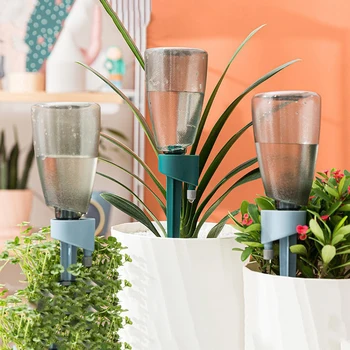
4. Implement Water‑Saving Practices
Water is the most frequent resource pitfall for indoor gardeners. Follow these actionable tips:
- Use a moisture meter – aim for a reading of 30‑40% for most leafy plants.
- Water in the morning to allow excess moisture to evaporate, preventing root rot.
- Collect rainwater in a small barrel or bucket; it’s naturally soft and free of chlorine.
- Mulch with shredded newspaper on the soil surface to reduce evaporation by up to 25%.
5. Boost Soil Health with Natural Amendments
Healthy soil equals resilient plants. Add one of these every 6‑8 weeks:
- Liquid kelp extract – supplies micronutrients and improves stress tolerance.
- Compost tea – a microbial boost that enhances nutrient uptake.
- DIY coffee grounds – a slow‑release nitrogen source (use sparingly to avoid acidity).
6. Create a Micro‑Climate for Leafy Growth
Leafy houseplants thrive in moderate humidity (45‑60%). Simple ways to maintain it:
- Place a shallow tray of pebbles filled with water beneath pots.
- Group plants together; transpiration creates a natural humid zone.
- Run a low‑speed fan for 15 minutes daily to improve air circulation and prevent fungal issues.
7. Prune and Rotate for Continuous Vigor
Regular pruning encourages bushier growth and prevents leggy stems. Follow this routine:
- Trim any yellow or brown leaves as soon as they appear.
- Pinch back the top 1‑2 inches of growth every 4‑6 weeks.
- Rotate pots 90° weekly to ensure even light exposure.
8. Monitor and Adjust with Data‑Driven Tools
Even without high‑tech gadgets, you can track plant health using simple spreadsheets:
| Date | Water (ml) | Light (hrs) | Notes |
|---|---|---|---|
| 2026‑04‑01 | 150 | 6 | New growth, no yellowing |
| 2026‑04‑08 | 130 | 6 | Leaves slightly droopy – increase humidity |
Analyzing trends helps you fine‑tune watering schedules and light placement, turning intuition into measurable results.
Design Tips to Turn Your Plant Collection into a Cozy Décor Statement
Layer textures and heights
Combine trailing vines (e.g., pothos) in hanging baskets with upright foliage (e.g., ZZ plant) on floor‑standing pots. This creates visual depth and mimics a natural forest understory.
Use neutral pots to let foliage shine
Matte white, terracotta, or recycled metal containers provide a clean backdrop, allowing the rich greens to become the focal point of any room.
Incorporate functional greenery
Place a spider plant on a desk to improve air quality while adding a splash of color. A Boston fern in the bathroom naturally combats humidity and adds a spa‑like vibe.
Seasonal rotation for freshness
Every spring, swap out a few mature plants for new cuttings. This not only keeps the aesthetic fresh but also spreads propagation joy throughout your household.
Quick Action Checklist
- ✔️ Pick a plant suited to your light conditions.
- ✔️ Mix a sustainable potting blend (coir + bark + worm castings).
- ✔️ Choose a recycled or upcycled container with drainage.
- ✔️ Water using a moisture meter and rainwater, mulching to conserve.
- ✔️ Feed with natural amendments every 6‑8 weeks.
- ✔️ Maintain humidity with pebble trays and plant grouping.
- ✔️ Prune, rotate, and log data weekly.
- ✔️ Arrange plants for layered visual interest and functional décor.
By following these data‑driven, eco‑friendly steps, you’ll cultivate a thriving indoor garden that not only looks stunning but also contributes to a healthier planet and a more relaxed home environment. Happy sustainable gardening! 🌱