
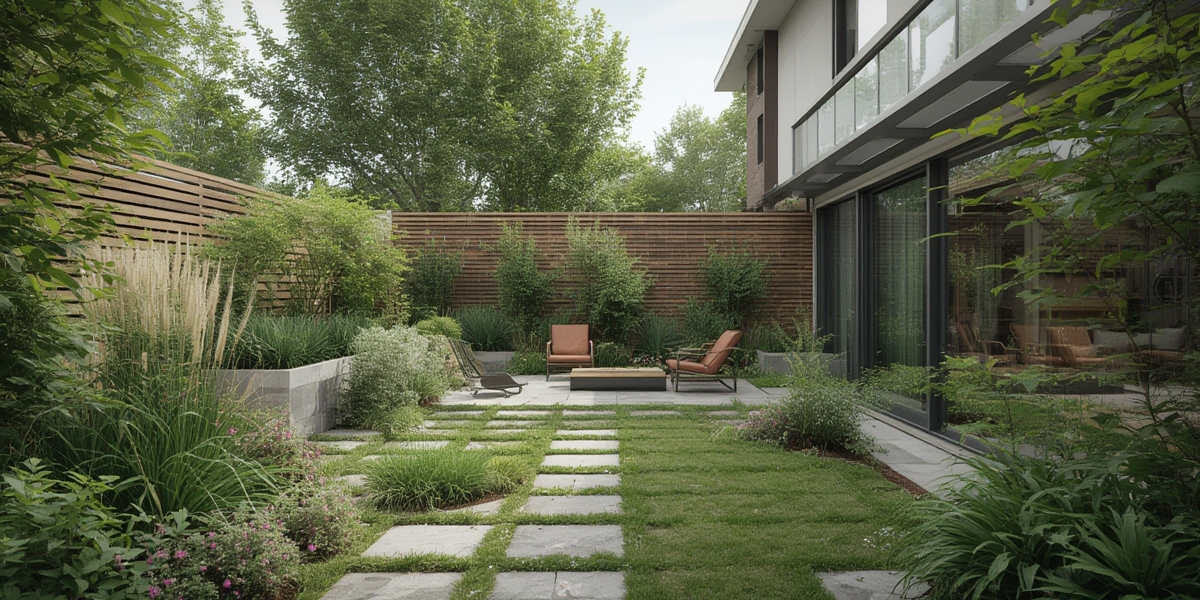
Welcome to the world of vibrant, fresh landscapes! If you’re a beginner gardener looking to give your outdoor space a contemporary makeover, you’ve come to the right place. This guide walks you through Modern Garden Color Ideas that are both stylish and easy to achieve. From choosing the right plant palette to avoiding common pitfalls, you’ll learn how to create a garden that feels fresh, inviting, and perfectly suited to today’s design trends.
Why Color Matters in Modern Gardens
Color is the visual language of a garden. It sets the mood, guides the eye, and can make a small yard feel expansive or a large space feel cozy. In modern garden design, the emphasis is on clean lines, bold contrasts, and harmonious blends that reflect current interior trends. By thoughtfully selecting colors, you can:
- Enhance the architectural features of your home.
- Create focal points that draw attention.
- Encourage relaxation or energize the space, depending on the palette.
Choosing a Modern Color Palette
1. Monochrome Magic
A monochromatic scheme uses varying shades of a single color. Think soft greens, deep blues, or elegant greys. This approach creates a sleek, cohesive look that’s easy to maintain. Pair white or silver foliage plants like Artemisia with deep‑blue Salvia for subtle depth.
2. Bold Contrasts
Contrast is the hallmark of contemporary design. Pair bright yellows with cool purples, or fiery reds with crisp whites. The key is to balance the intensity so the garden feels lively without overwhelming the senses. A classic combo is Rudbeckia (yellow) alongside Lupinus (purple).
3. Soft Neutrals with Pops of Color
Neutral bases—such as sage, taupe, or muted lavender—provide a calm backdrop. Add splashes of color through seasonal annuals or perennials. For example, a sea of Lavender (neutral) can be accented with bursts of Petunia (pink) in the summer.
Plant Selections for Fresh, Modern Gardens
Evergreen Foundations
Evergreens give structure year‑round. Choose low‑maintenance varieties like Boxwood, Japanese Holly, or Dwarf Alberta Spruce. Their consistent foliage provides a canvas for the colorful accents you’ll add later.
Seasonal Color Boosters
Mix perennials, annuals, and bulbs to ensure color throughout the year:
- Spring: Tulips, Daffodils, and Bleeding Heart in pastel hues.
- Summer: Daylilies, Gaillardia, and Coreopsis for bright, long‑lasting blooms.
- Fall: Chrysanthemums, Asters, and Japanese Maple foliage in reds and oranges.
- Winter: Hellebores and Winter Heath for subtle color when most gardens are dormant.
Texture and Form
Modern gardens thrive on a mix of textures. Combine fine, feathery grasses like Pennisetum with bold, architectural plants such as Agave or Yucca. The contrast between soft and sculptural elements adds visual interest even when flowers are not in bloom.
Practical Tips for Implementing Modern Garden Color Ideas
Plan with a Sketch
Before you dig, draw a simple layout. Mark where each plant group will sit, considering sun exposure, soil type, and height. This helps you avoid overcrowding and ensures that colors flow naturally from one area to the next.
Use Containers for Flexibility
Planters and raised beds let you experiment with color combos without committing to permanent planting. Swap out annuals each season to keep the garden fresh and aligned with your evolving taste.
Group by Color, Not Species
When you arrange plants, think in terms of color blocks rather than botanical families. Grouping all blues together, for instance, creates a striking visual impact, regardless of whether the plants are Salvia, Hydrangea, or Iris.
Mind the Light
Sun‑loving plants like Lavender and Rosemary need at least six hours of direct light, while shade‑tolerant varieties such as Hosta and Ferns thrive under trees or structures. Matching light requirements to your color plan prevents disappointing wilted patches.
Maintain Soil Health
Healthy soil is the foundation of any vibrant garden. Incorporate compost annually, test pH levels, and amend with lime or sulfur as needed. Well‑balanced soil supports strong growth, which translates to richer colors.
Common Mistakes to Avoid
Overcrowding Plants
Planting too closely limits airflow and reduces sunlight penetration, leading to faded colors and disease. Follow recommended spacing guidelines on plant tags, and remember that mature plants need room to expand.
Ignoring Seasonal Changes
Choosing only summer‑blooming plants can leave your garden looking dull in spring and fall. Include a mix of evergreens, early‑season bulbs, and late‑season perennials to maintain interest year‑round.
Neglecting Maintenance
Even low‑maintenance gardens need occasional pruning, deadheading, and watering. Skipping these tasks can cause plants to become leggy, lose their shape, and diminish the overall color impact.
Choosing Incompatible Colors
While bold contrasts are exciting, clashing hues can create visual chaos. Use a color wheel as a guide: complementary colors (e.g., purple and yellow) work well, while colors opposite each other on the wheel (e.g., red and green) should be balanced with neutrals.
Putting It All Together: A Sample Design
Imagine a rectangular garden bed measuring 10 × 6 feet. Here’s how you could apply the principles above:
- Base Layer: Plant a low hedge of Boxwood along the back edge for structure.
- Mid‑Height Zone: Add a row of Salvia ‘Mystic Purple’ for a deep blue accent.
- Color Pop: Intermix Rudbeckia (golden yellow) and Gaillardia (orange‑red) in clusters.
- Texture Contrast: Place a few Agave rosettes at the corners for sculptural interest.
- Seasonal Switch: In spring, replace the summer perennials with Tulips and Daffodils for a fresh burst of pastel color.
This layout showcases a modern palette, balanced textures, and year‑round interest—exactly what Modern Garden Color Ideas aim to achieve.
Conclusion
Creating a fresh, modern garden is within reach for any beginner gardener. By focusing on a thoughtful color palette, selecting plants that suit your climate and light conditions, and avoiding common mistakes like overcrowding, you’ll enjoy a landscape that feels both contemporary and welcoming. Remember to plan, stay flexible with containers, and keep up with basic maintenance. With these Modern Garden Color Ideas, your outdoor space will become a vibrant extension of your home, reflecting your personal style and the beauty of nature throughout the seasons.