
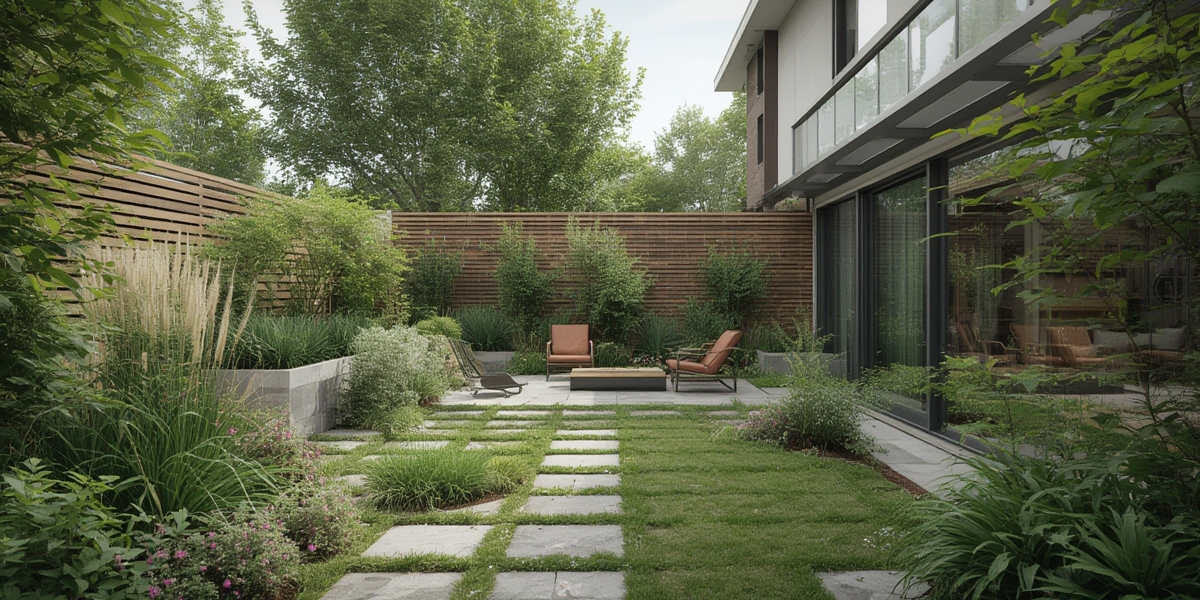
Welcome to the world of modern gardening! Whether you have a tiny balcony, a suburban backyard, or a vacant lot waiting for transformation, learning how to start a modern garden from scratch can be both rewarding and enjoyable. This guide walks you through every step—from planning and soil preparation to planting and maintenance—so you can create a vibrant, low‑maintenance garden that looks great all year round.
1. Planning Your Modern Garden
Assess Your Space and Light
Start by measuring the area you have available. Sketch a simple layout on graph paper or use a free online garden planner. Next, observe how sunlight moves across the space throughout the day. Most vegetables and flowering plants need at least 6 hours of direct sun, while shade‑loving herbs and foliage thrive in 3–4 hours of filtered light. Mark sunny, partially shaded, and fully shaded zones on your sketch.
Define Your Garden Style
Modern gardens often feature clean lines, minimalist planting schemes, and functional design elements such as raised beds, vertical planters, and sleek containers. Decide if you prefer:
- Geometric raised beds with a uniform soil mix.
- Vertical herb walls using modular panels.
- Container gardens with contemporary pots.
Choosing a style early helps you select the right materials and plants that fit together harmoniously.
Set Realistic Goals
Ask yourself what you want from your garden:
- Fresh produce for the kitchen?
- Year‑round color and texture?
- A relaxing outdoor living space?
Clear goals keep you focused and prevent you from over‑planting or choosing unsuitable species.
2. Preparing the Soil and Foundations
Test and Amend the Soil
Even in a modern garden, healthy soil is the foundation of success. Purchase a simple soil test kit or send a sample to a local extension service. Look for pH levels between 6.0 and 7.0 for most garden plants. If the soil is too acidic or alkaline, amend it with lime or sulfur accordingly.
Incorporate organic matter—compost, well‑rotted manure, or leaf mold—to improve texture, drainage, and nutrient retention. Aim for a soil mix that feels crumbly and moist, not compacted.
Build Raised Beds or Containers
Raised beds are perfect for modern gardens because they provide defined edges, improve drainage, and allow you to control soil quality. Use untreated cedar, recycled composite boards, or metal frames for a sleek look. A typical bed depth of 12–18 inches accommodates most vegetables and herbs.
If space is limited, opt for large containers made of concrete, fiberglass, or high‑quality plastic. Ensure each container has drainage holes and a saucer to catch excess water.
Install Efficient Irrigation
Water is a major factor in garden success. Drip irrigation or soaker hoses deliver water directly to the root zone, reducing waste and minimizing leaf wetness (which can lead to disease). Set timers to water early in the morning, aligning with the natural watering schedule of a modern garden.
3. Selecting the Right Plants
Choose Low‑Maintenance, High‑Impact Species
Modern gardens thrive on simplicity. Pick plants that provide structure, color, and texture without demanding constant care. Some excellent choices include:
- Herbs: Basil, thyme, mint, and chives—great for culinary use and easy to grow in containers.
- Leafy Greens: Kale, Swiss chard, and arugula—fast‑growing and tolerant of cooler temperatures.
- Perennial Flowers: Lavender, coneflower, and ornamental grasses—add year‑round interest.
- Compact Vegetables: Cherry tomatoes, peppers, and bush beans—fit well in raised beds.
Plan for Succession Planting
To keep your garden productive all season, stagger planting times. For example, sow a quick‑growing lettuce batch every two weeks, or rotate beans after early‑season peas finish. Succession planting ensures continuous harvests and reduces gaps in your garden’s appearance.
Consider Climate and Microclimates
Even within a single garden, microclimates can vary. South‑facing walls retain heat, making them ideal for heat‑loving plants like peppers. Shaded corners are perfect for shade‑tolerant greens such as spinach. Match each plant to its microclimate for optimal growth.
4. Planting Techniques and Care
Proper Spacing and Depth
Follow seed packet or plant label instructions for spacing. Overcrowding leads to competition for nutrients, water, and light, which is a common mistake for beginners. As a rule of thumb, give each plant at least one foot of space for larger vegetables and 6–8 inches for herbs.
Mulching for Moisture Retention
Apply a 2–3 inch layer of organic mulch—such as shredded bark, straw, or compost—around your plants. Mulch conserves moisture, suppresses weeds, and adds organic matter as it breaks down, aligning perfectly with modern garden aesthetics.
Regular Monitoring and Pruning
Inspect your garden weekly for signs of pests, disease, or nutrient deficiencies. Early detection makes treatment easier and prevents spread. Prune dead or diseased foliage promptly, and pinch back herbs to encourage bushier growth.
5. Common Mistakes to Avoid
Neglecting Soil Health
Skipping soil testing or failing to amend the soil can lead to stunted growth and poor yields. Remember, a modern garden is built on a healthy foundation—invest time in soil preparation.
Over‑watering or Under‑watering
Both extremes stress plants. Use a moisture meter or simply press your finger 2 inches into the soil; if it feels dry, water deeply. Avoid shallow, frequent watering that encourages shallow root systems.
Choosing the Wrong Plants for Your Zone
Planting heat‑sensitive species in a hot, sunny spot, or shade‑loving plants in full sun, leads to disappointment. Always check the USDA hardiness zone and light requirements before purchasing.
Ignoring Crop Rotation
Planting the same family of vegetables in the same spot year after year depletes specific nutrients and encourages soil‑borne diseases. Rotate crops—leafy greens, root vegetables, legumes—to maintain soil balance.
6. Harvesting and Enjoying Your Garden
Know When to Harvest
Harvest vegetables when they reach their peak size and color. For example, pick beans when pods are firm and snap easily, and harvest lettuce leaves before they become bitter. Regular harvesting encourages continuous production.
Preserve the Bounty
Extend the life of your harvest by freezing, drying, or canning excess produce. Fresh herbs can be frozen in ice‑cube trays with olive oil for easy use in cooking.
Share and Celebrate
Invite friends or family to a garden tour or a simple tasting party. Sharing the fruits of your labor not only spreads joy but also reinforces your commitment to maintaining the garden.
Conclusion
Starting a modern garden from scratch doesn’t have to be intimidating. By planning thoughtfully, preparing the soil, selecting appropriate plants, and staying vigilant with care, you’ll create a beautiful, productive space that fits seamlessly into today’s lifestyle. Remember to keep things simple, avoid common pitfalls, and enjoy the process of watching your garden grow. Happy gardening!