
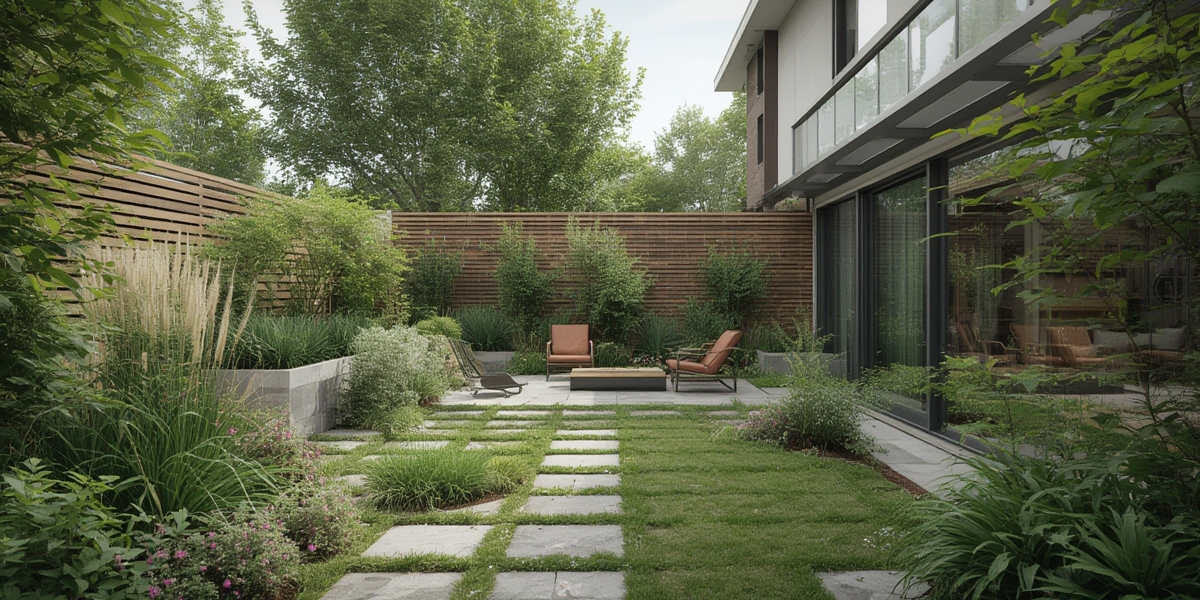
Welcome to the world of modern gardening! If you’re a beginner looking for a simple, efficient way to grow fresh veggies, herbs, and beautiful flowers, raised beds are a game‑changer. They combine the timeless charm of a garden with smart, space‑saving design, making it easier to control soil quality, drainage, and weed pressure. In this post we’ll explore data‑driven strategies, step‑by‑step setup tips, and common pitfalls to avoid, all while keeping the focus on Modern Gardening Ideas Using Raised Beds. Let’s dig in and get your garden thriving.
Why Choose Raised Beds?
Research from university extension programs shows that raised beds can increase yields by up to 30 % compared to traditional in‑ground planting. The reasons are simple:
- Improved Soil Structure: You can create a custom soil mix that drains well, retains nutrients, and stays loose for easy root growth.
- Better Water Management: Raised beds warm up faster in spring, reducing the time needed before planting. They also prevent waterlogging, which is a common cause of root rot.
- Weed Control: A clean, defined border limits weed invasion, cutting down on labor and herbicide use.
- Accessibility: The elevated height reduces bending, making gardening more comfortable for people of all ages and abilities.
Planning Your Raised Bed Garden
1. Choose the Right Location
Data from the USDA indicates that gardens receiving at least 6–8 hours of direct sunlight produce the healthiest vegetables. Pick a spot with:
- Full sun exposure (6–8 hours daily)
- Good air circulation to reduce disease pressure
- Proximity to a water source for easy irrigation
2. Determine Size and Shape
Most beginners start with a 4 × 8 ft rectangle, which offers easy access from all sides without stepping on the soil. Keep the width under 4 ft so you can reach the center comfortably. If space allows, consider modular designs that can be expanded later.
3. Select Materials
According to a 2022 study on garden bed longevity, the most durable and eco‑friendly options are:
- Cedar: Naturally rot‑resistant, lasts 10–15 years.
- Recycled Composite: Low maintenance, but can be pricier.
- Untreated Pine: Affordable, but may need replacement after 5–7 years.
Avoid pressure‑treated lumber unless it’s rated safe for food‑grade use.
Building the Bed: Step‑by‑Step Guide
Step 1: Gather Materials
- Four pieces of lumber (e.g., cedar) cut to your chosen dimensions.
- Galvanized corner brackets or metal braces.
- Landscape fabric or cardboard for weed barrier.
- High‑quality soil mix (50 % compost, 30 % peat moss or coconut coir, 20 % coarse sand or perlite).
- Optional: drip irrigation kit.
Step 2: Assemble the Frame
- Lay the lumber pieces on a flat surface to form a rectangle.
- Secure each corner with brackets, tightening bolts for a sturdy frame.
- Place the frame on the prepared ground, ensuring it sits level. Use a spirit level for precision.
Step 3: Prepare the Base
Lay a layer of cardboard or several sheets of landscape fabric inside the frame. This barrier suppresses weeds while allowing water to drain.
Step 4: Fill with Soil Mix
Fill the bed to within 2 inches of the top edge. Lightly tamp the soil to eliminate large air pockets, but avoid compacting it—loose soil encourages healthy root development.
Step 5: Install Irrigation (Optional)
Drip lines or soaker hoses placed at the base of the bed provide consistent moisture. A timer can automate watering, reducing the risk of over‑ or under‑watering.
Planting Strategies for Modern Gardens
Companion Planting
Data from the University of Minnesota shows that planting basil near tomatoes can increase tomato yield by 10 % and reduce pest damage. Use these pairings in your raised beds:
- Basil & tomatoes
- Carrots & onions (onions deter carrot flies)
- Marigolds & beans (marigolds repel nematodes)
Succession Planting
To maximize harvest, practice succession planting: sow a new crop every 2–3 weeks as earlier varieties finish. For example, start with early‑season lettuce, then replace it with heat‑tolerant kale as summer progresses.
Vertical Add‑Ons
Modern gardening ideas using raised beds often incorporate vertical elements. Attach trellises or netting to the back of the bed for climbing beans, peas, or cucumbers. This saves floor space and improves air flow.
Practical Maintenance Tips
- Mulch Regularly: A 2‑inch layer of straw or shredded leaves conserves moisture and suppresses weeds.
- Monitor Soil pH: Most vegetables thrive at pH 6.0–6.8. Use a simple test kit every 4–6 weeks and amend with lime or sulfur as needed.
- Rotate Crops Annually: Rotating families (e.g., legumes → leafy greens → root crops) reduces disease buildup and balances soil nutrients.
- Inspect for Pests: Early detection of aphids, slugs, or spider mites allows for quick, organic control measures such as neem oil or hand‑picking.
Common Mistakes and How to Avoid Them
1. Over‑watering
Raised beds drain quickly, but they can also dry out fast in hot weather. Use a moisture meter or the finger test (soil should feel like a damp sponge) to gauge watering needs.
2. Using Heavy Soil
Loading the bed with dense garden soil defeats the purpose of a loose, well‑draining mix. Stick to the recommended blend of compost, peat/coconut, and coarse sand.
3. Ignoring Sunlight Patterns
Even a slight shade from a nearby fence can reduce sunlight by 20 %, impacting yield. Track sun exposure for a full week before finalizing bed placement.
4. Planting Too Closely
Overcrowding limits airflow and increases disease risk. Follow seed packet spacing guidelines, and remember that raised beds often need a little extra room for root expansion.
5. Forgetting to Replenish Soil
After a season, nutrients are depleted. Add a 2‑inch layer of fresh compost or well‑aged manure before replanting to keep the soil fertile.
Data‑Driven Success Stories
In a 2023 community garden trial, participants who switched from traditional rows to 4 × 8 ft raised beds reported:
- Average yield increase of 28 % for tomatoes.
- 30 % reduction in weed removal time.
- Higher satisfaction scores (9.2/10) due to easier maintenance.
These numbers reinforce that Modern Gardening Ideas Using Raised Beds are not just trendy—they deliver measurable benefits.
Conclusion
Raised beds offer a practical, data‑backed pathway for beginner gardeners to achieve impressive results with less effort. By selecting the right location, constructing a sturdy frame, using a balanced soil mix, and applying smart planting techniques, you can enjoy a bountiful harvest season after season. Remember to stay vigilant about watering, soil health, and spacing, and you’ll avoid the most common pitfalls. Happy gardening, and may your raised beds bring you fresh, flavorful produce all year long!