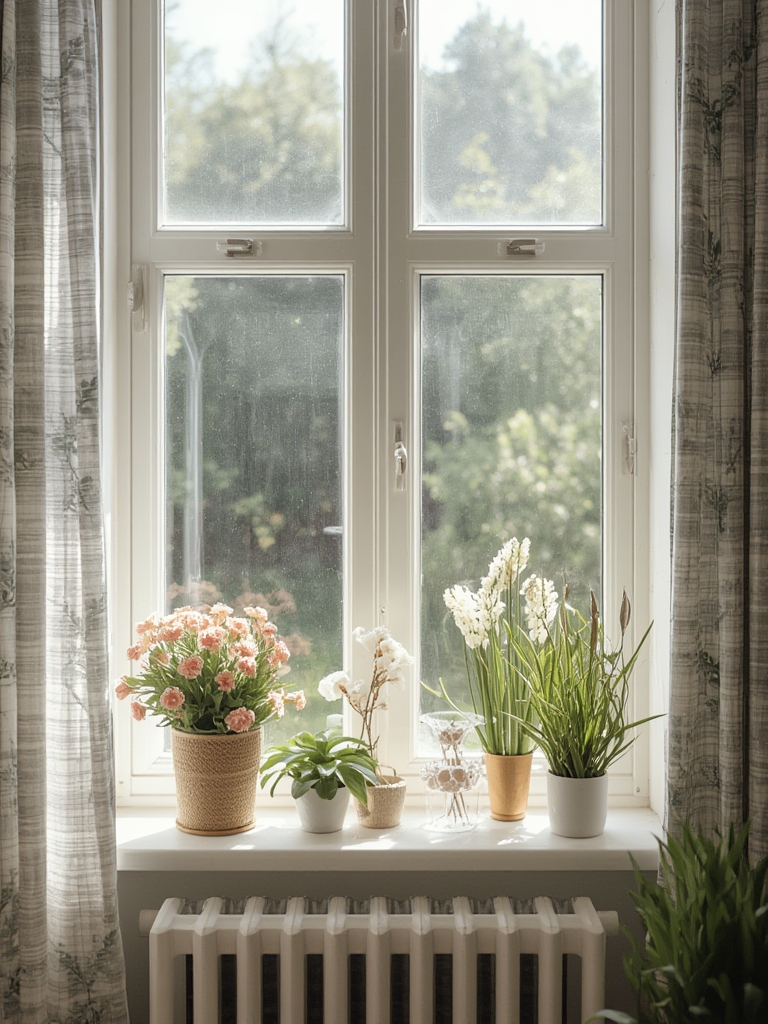
Welcome to your go‑to guide for mastering gardening tools, tackling DIY projects, and turning fresh blooms into gorgeous home bouquets. Whether you’re a beginner or looking to sharpen your green‑thumb skills, this post breaks down everything you need—tools, techniques, and step‑by‑step care for a versatile plant, plus simple flower‑arranging tricks that anyone can follow.
Essential Gardening Tools for Every DIY Enthusiast
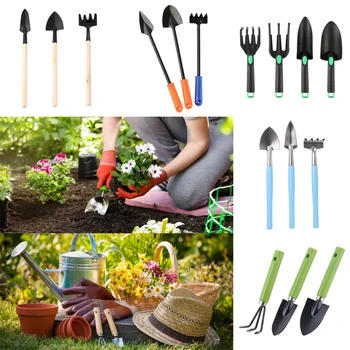
1. Hand Trowel
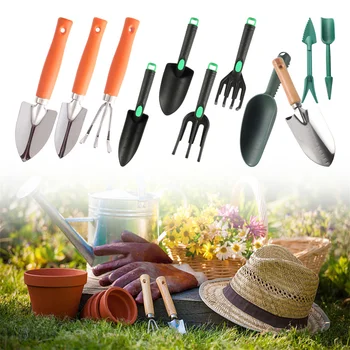
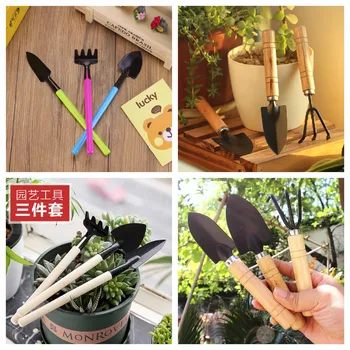
A sturdy hand trowel is the workhorse for planting, transplanting, and soil mixing. Look for a stainless‑steel blade with a comfortable ergonomic handle. For best results, keep the blade clean after each use to prevent soil‑borne disease spread.

2. Pruning Shears (Secateurs)
Invest in bypass‑type pruning shears for clean cuts on stems and branches. Sharp blades reduce plant stress and promote faster healing. Sharpen them regularly with a file or a dedicated sharpening stone.
3. Garden Fork & Cultivator
A 12‑inch garden fork loosens compacted soil, while a cultivator aerates the top layer. Use them early in the season to improve drainage and root penetration, especially in raised beds.
4. Watering Can with a Rose Head
Gentle, even watering is key for seedlings. A rose‑head nozzle mimics light rain, preventing soil erosion and leaf splash that can spread disease.
5. Garden Gloves
Choose breathable, puncture‑resistant gloves. They protect your hands from thorns, splinters, and soil‑borne pathogens while giving you a better grip on tools.
DIY Project: Building a Simple Raised Bed
Raised beds extend the growing season, improve soil quality, and make garden maintenance easier. Follow these steps to build a 4 × 8 ft bed using affordable materials.
Materials
- Four 2 × 6 in. cedar boards (8 ft long)
- Galvanized corner brackets (4)
- Deck screws (3 in., 1 lb)
- Landscape fabric
- Organic compost and topsoil mix (1:1 ratio)
Step‑by‑Step Construction
- Measure and Cut: Cut each cedar board to 4 ft for the short sides and keep the 8 ft boards for the long sides.
- Assemble Corners: Align the short and long boards at each corner, securing them with galvanized brackets and two screws per side. Ensure the frame is square (90° corners) by measuring diagonally—both diagonals should be equal.
- Place the Frame: Position the frame on level ground. If the soil is uneven, add a few inches of sand or fine gravel to create a flat base.
- Line with Fabric: Lay landscape fabric inside the frame to block weeds while allowing water to drain.
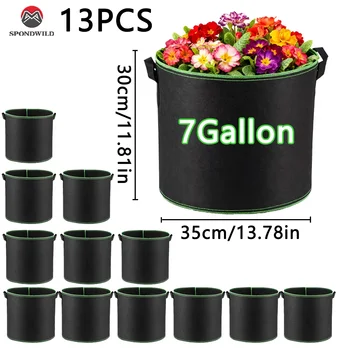
- Fill with Soil Mix: Combine equal parts compost and topsoil, then fill the bed to within 2 in. of the top edge. Lightly tamp to eliminate air pockets.
- Water Thoroughly: Use a watering can with a rose head to moisten the soil evenly. This settles the mix and prepares the bed for planting.
Plant Spotlight: Growing Lavender (Lavandula angustifolia)
Lavender is a low‑maintenance, aromatic herb that thrives in sunny spots and well‑drained soil—perfect for raised beds or container gardens. Below are data‑driven steps to ensure robust growth and a steady harvest for bouquets.
Step 1: Soil Preparation
- Test soil pH; lavender prefers 6.5‑7.5. Amend with lime if pH is below 6.5.
- Incorporate coarse sand or perlite (20 % of the mix) to improve drainage.
- Mix in 2 in. of compost for nutrients, but avoid excessive organic matter which retains moisture.
Step 2: Planting
- Space plants 18‑24 in. apart to allow airflow.
- Plant at the same depth as in the nursery pot; the crown should sit just above soil level.
- Water lightly after planting, then let the soil dry out before the next watering.
Step 3: Watering Schedule
- First month: water once a week (≈ 1 qt per plant) to establish roots.
- After establishment: water only during prolonged drought—lavender tolerates drought well.
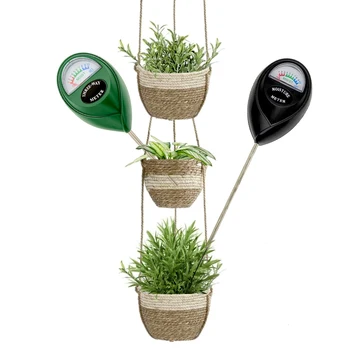
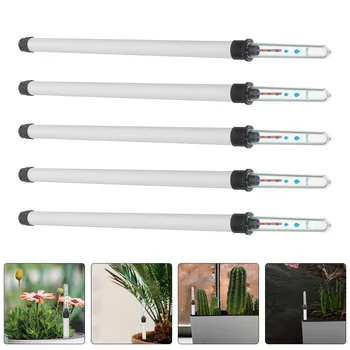
- Use a moisture meter; aim for a reading of 10‑15 % at root depth.
Step 4: Pruning for Growth & Bouquet Quality
- Prune in early spring (late March) before new shoots appear.
- Cut back 1/3 of the plant, removing woody stems and shaping a mound.
- After the first bloom flush (mid‑summer), lightly trim spent flower spikes to encourage a second bloom.
Step 5: Harvesting Flowers
- Harvest in the morning when buds are just opening—this preserves fragrance.
- Snip stems with sharp pruning shears, leaving a 4‑in. stem for arranging.
- Place stems in a bucket of cool water immediately to prevent wilting.
Beginner‑Friendly Flower Arranging Tips for Stunning Bouquets
Now that you have fresh lavender (or any garden bloom), transform it into a beautiful home bouquet with these easy steps.
1. Choose a Balanced Color Palette
Combine lavender’s soft purple with complementary hues—white daisies, sunny yellow marigolds, or deep green foliage. Data from floral design studies shows a 3‑color limit creates visual harmony without overwhelming the eye.
2. Prepare Your Stems
- Trim the bottom of each stem at a 45° angle using sharp shears.
- Remove any lower leaves that would sit below the water line to prevent bacterial growth.
- Place all stems in a bucket of lukewarm water for 15 minutes to hydrate.
3. Build a Strong Base
Start with a sturdy greenery base (e.g., eucalyptus or ferns). Arrange them in a loose “V” shape to create a natural framework that holds other flowers in place.
4. Add Focal Flowers
Place the largest blooms (lavender spikes, roses, or peonies) at the center and slightly lower than surrounding stems. This creates depth and draws the eye.
5. Fill with Secondary Blooms
Insert medium‑sized flowers (daisies, snapdragons) around the focal points, alternating colors to maintain balance. Keep stems at varying heights for a dynamic look.
6. Finish with Accent Stems
Use thin filler stems (baby’s breath, statice) to fill gaps and add texture. A few sprigs of herbs like rosemary also add scent and visual interest.
7. Final Touches
- Give the bouquet a gentle mist of water to keep stems fresh.
- Wrap the stems with floral tape and cover the base with a decorative ribbon or burlap.
- Place the bouquet in a clean vase with fresh water, adding a teaspoon of floral preservative if available.
Quick Tips & Tricks for Ongoing Success
- Tool Maintenance: After each gardening session, wipe down tools with a damp cloth and oil metal parts to prevent rust.
- Soil Health: Every 6 weeks, sprinkle a thin layer of compost tea around lavender to boost micronutrients without over‑fertilizing.
- Pest Prevention: Plant lavender near rosemary or thyme; their aromatic oils deter aphids and spider mites.
- Seasonal Care: In late fall, mulch the raised bed with 2 in. of straw to protect roots from freezing temperatures.
- DIY Upcycle: Repurpose old wooden pallets as vertical garden supports—attach landscape fabric and fill with soil for a space‑saving herb wall.
By mastering the right tools, building a simple raised bed, caring for lavender with data‑backed practices, and applying beginner‑friendly arranging techniques, you’ll enjoy a thriving garden and gorgeous bouquets that brighten any room. Happy gardening and crafting!