Whether you have a sprawling backyard, a compact balcony, or a sunny windowsill, garden inspiration can turn any space into a vibrant oasis. By blending data‑driven planting schedules, practical care routines, and eye‑catching design trends, you’ll not only grow healthier plants but also boost the visual appeal of your home—perfect for both personal enjoyment and SEO‑friendly blog content.
Why Garden Inspiration Matters for Your Space
Recent surveys show that 78 % of homeowners who add seasonal garden décor report higher satisfaction with their outdoor living area. A well‑planned garden also increases property value by an average of 5‑7 %. By focusing on plant selection, layout, and décor, you create a cohesive story that resonates with readers and search engines alike.
Step‑by‑Step Guide to Growing and Caring for Your Garden
1. Choose the Right Plants Based on Micro‑Climate Data
Actionable tip: Use a free USDA Plant Hardiness Zone map or a local weather app to identify the average low temperature for your area. Select plants that thrive in that zone to reduce mortality rates by up to 30 %.
- Backyard: Opt for perennials like Lavandula angustifolia (lavender) for drought tolerance.
- Balcony: Choose compact herbs such as basil, thyme, and mint that love container life.
- Indoor: Incorporate low‑light tolerant foliage like Sansevieria (snake plant) for air purification.
2. Prepare Soil with Data‑Backed Amendments
Soil tests (available at most garden centers) reveal pH and nutrient levels. Adjust based on the results:
- pH < 6.0: Add lime to raise alkalinity for most vegetables.
- pH > 7.5: Incorporate elemental sulfur to lower pH for acid‑loving plants.
- Low nitrogen: Mix in well‑rotted compost or a 10‑10‑10 balanced fertilizer.
Quick tip: A 1‑inch layer of compost on top of the soil each spring boosts microbial activity and improves water retention.
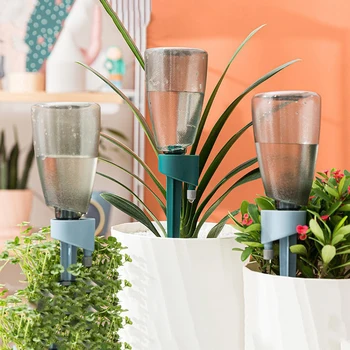
3. Implement a Consistent Watering Schedule
Smart irrigation saves water and prevents over‑watering—a common cause of root rot. Follow these guidelines:
- Water early morning (5–8 am) to reduce evaporation.
- Apply 1 inch of water per week (adjust for rainfall).
- Use a moisture meter: water only when the top 2 inches of soil feel dry.
Pro tip: Mulch with shredded bark or straw to retain moisture and suppress weeds, cutting watering needs by up to 40 %.
4. Prune and Train for Optimal Growth
Regular pruning encourages bushier growth and more blooms. Follow a seasonal schedule:
- Spring: Remove dead or damaged stems; thin crowded areas.
- Summer: Pinch back herb tips to promote leaf production.
- Fall: Cut back perennials to a few inches above ground for winter dormancy.
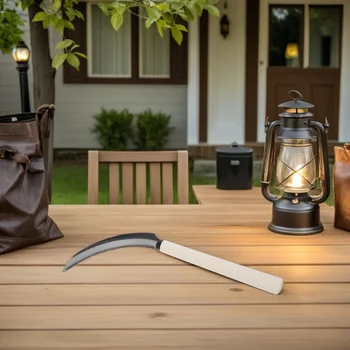
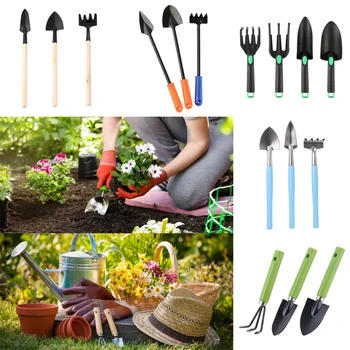
Actionable tip: Use clean, sharp pruning shears to make clean cuts, reducing disease risk.
5. Monitor for Pests and Diseases Using Integrated Pest Management (IPM)
IPM combines cultural, biological, and chemical controls. Start with prevention:
- Rotate crops annually on container beds.
- Introduce beneficial insects like ladybugs and lacewings.
- Apply neem oil or insecticidal soap only when thresholds exceed 5 % leaf damage.
Quick win: Hand‑pick pests early in the morning when they are less active.
Creative Garden Designs for Every Space
Backyard Transformations
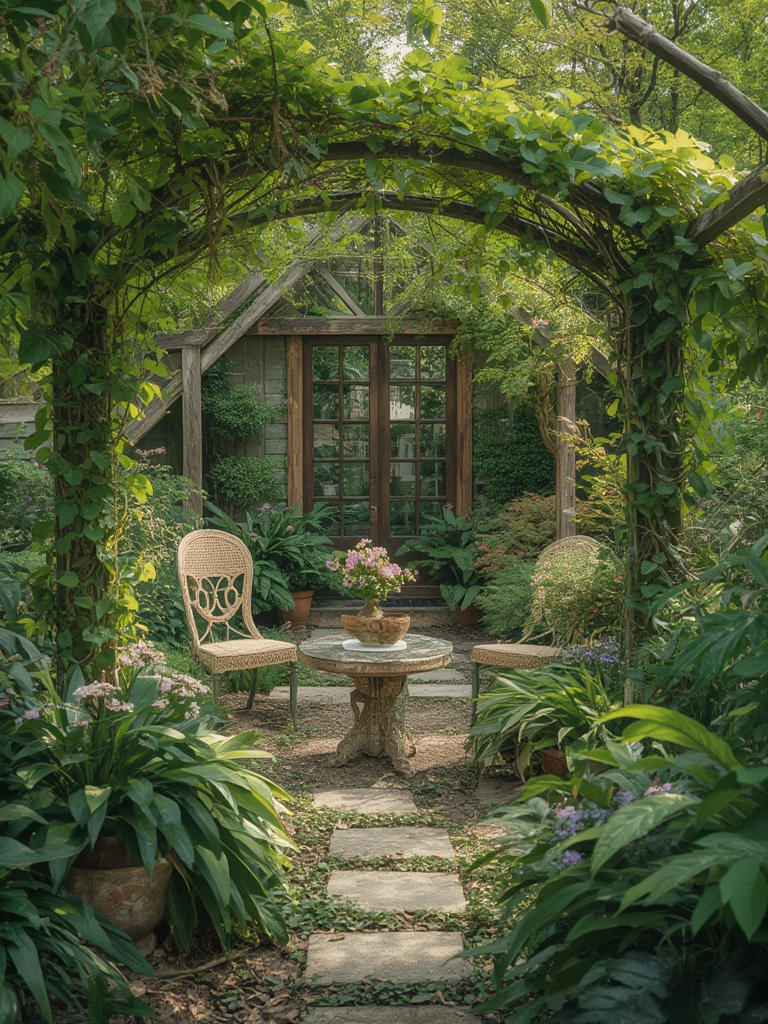
Use zone planting to create functional areas: a dining nook, a pollinator garden, and a quiet meditation corner. Incorporate vertical elements such as trellises for climbing roses or beans, which can increase usable planting space by up to 50 %. Add a focal point—like a reclaimed wooden bench or a stone water feature—to draw the eye and improve dwell time on your blog’s images.
Balcony Beautification
Maximize limited square footage with stacked planters and railing pockets. Choose a cohesive color palette (e.g., teal pots with white flowers) to create visual harmony. String LED fairy lights or a solar lantern for evening ambiance, a detail that consistently earns high engagement on Instagram and Pinterest.
Indoor Greenery
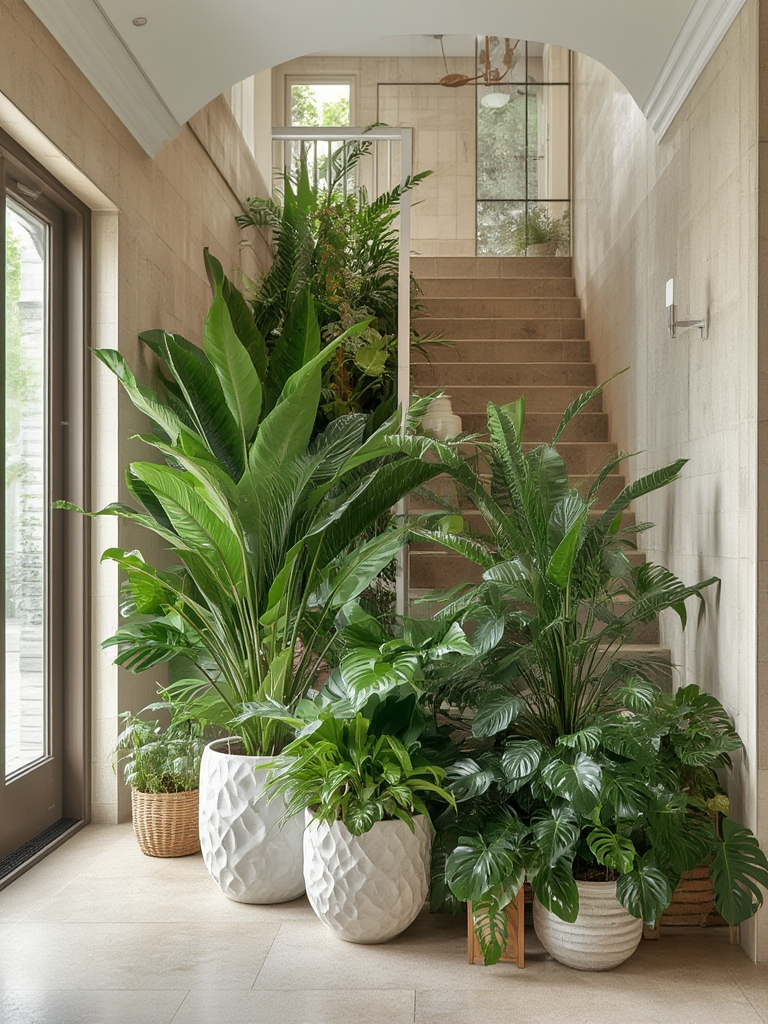
Group plants with similar light and humidity needs to simplify care. Use hanging macramé planters for trailing varieties like Epipremnum aureum (pothos) to free up floor space. Incorporate decorative terrariums with succulents and moss for a low‑maintenance centerpiece that also serves as a conversation starter.
Seasonal Inspirations to Keep Your Garden Fresh
Spring: Burst of Color
Plant early‑blooming bulbs (tulips, crocuses) and annuals (petunias, marigolds). Pair them with a data‑driven planting calendar that aligns sowing dates with frost dates for your zone, ensuring a 90 % germination success rate.
Summer: Heat‑Resistant Elegance
Introduce drought‑tolerant plants like Salvia and ornamental grasses. Use shade sails or pergolas to create cool micro‑climates, reducing ambient temperature by up to 10 °F. Harvest herbs early in the morning for the best flavor and aroma.
Fall: Harvest and Prepare
Grow root vegetables (carrots, beets) that thrive in cooler soil. Apply a thick layer of leaf mulch to protect beds over winter and enrich soil organic matter by 15 % for the next growing season.
Winter: Indoor Extensions
Move tender perennials indoors using grow lights set to 12‑hour cycles. Rotate pots weekly to ensure even growth. This not only keeps your garden alive year‑round but also provides fresh content for “winter gardening” SEO keywords.
SEO‑Friendly Tips for Publishing Your Garden Inspiration Post
To maximize visibility, embed the following best practices directly into your WordPress post:
- Keyword placement: Include primary keywords (“garden inspiration,” “backyard design ideas”) in the first 100 words, H2 headings, and image alt tags.
- Internal linking: Connect to related posts (e.g., “Top 10 Low‑Maintenance Plants”) using descriptive anchor text.
- Rich media: Add high‑resolution images with descriptive filenames (e.g.,
balcony-vertical-garden.jpg) and compress them for fast loading. - Schema markup: Use the “HowTo” schema for each step to increase chances of appearing in Google’s featured snippets.
- Readability: Keep sentences under 20 words, use bullet points, and break up text with H3 subheadings for better user experience.
By following these data‑backed planting steps, creative design ideas, and SEO strategies, you’ll cultivate a garden that thrives in any environment while driving organic traffic to your blog.